
Vegetable Blanching Chart
Vegetable Blanching Chart - Web blanching is a process in which you boil or steam vegetables briefly until they are partially cooked. Web vegetable artichoke, globe (hearts) 7 artichoke, jerusalem small 3 medium 4 large 5 asparagus small stalk 2 medium stalk 3 large stalk 4 beans, green, snap or wax 3 beans, butter, lima, or pinto small 2 medium 3 large 4 beets cook broccoli, florets medium 3 large 4 brussels sprouts small 3 medium 4 large 5. Blanching times for common vegetables. Bring the water to a full, rolling boil. Use one gallon of water per pound of vegetables. In some cases, you may want to add produce protector or lemon juice to the water. Put whatever vegetable that you want to blanch into a basket and lower it into the boiling water. Not all vegetables require blanching, but these are the most common veggies that benefit from the technique. Bring a pot of water to a boil. Lower a pound of pre pared vege tables placed in a metal basket or cheesecloth bag into the boiling water and cover with a lid. Blanching is rarely done for fruit. Web blanching times for freezing vegetables. Blanching can take between 1 and 15 minutes at a temperature of 160 to 212 degrees fahrenheit. Bring a pot of water to a boil. Web here are the basic steps to water blanching vegetables. 1 in addition, the vegetables should be rinsed and/or peeled, as needed. Using a microwave to blanch vegetables before preserving is not recommended by the national center for home food preservation because it can cause uneven blanching. Blanching times for common vegetables. Web vegetables require a short heat treatment or blanching to inactivate enzymes and stabilize quality prior to and during frozen storage. Use one gallon of water per pound of vegetables. Web there are two methods for blanching vegetables, boiling water or steam. Learn how to blanch and how to use blanched vegetables in your cooking. Web get the guide for how to blanch and freeze vegetables. Web blanching times for vegetables. Unless otherwise noted, chilling time (in ice water) should be the same as blanching time. Blanching time is in boiling water. Fortunately, the process of blanching is quite easy. Follow these simple steps to learn how to blanch vegetables like a pro and enjoy them all year round! Bring the water to a full, rolling boil. Blanching can take between 1 and 15 minutes at a temperature of 160 to 212 degrees fahrenheit. Web blanching vegetables in the microwave is a quick and easy way to cook vegetables while maintaining their vibrant colors, textures, and flavors. It is an essential step before freezing many vegetables including broccoli, leafy greens, string beans, okra, and asparagus. Use one gallon water per pound of prepared vegetables. Put whatever vegetable that you want to blanch into a. 1 in addition, the vegetables should be rinsed and/or peeled, as needed. Before blanching, wash and drain vegetables. Almost all raw vegetables must be blanched before being frozen. Blanching time is in boiling water. For home freezing, the most satisfactory way to heat all vegetables is in boiling water. Blanch small asparagus spears 2 minutes, medium spears 3 minutes, and large spears 4 minutes. Fill up a large stockpot with water. Web get the guide for how to blanch and freeze vegetables. Web blanching vegetables is a great way to prepare them for freezing or cooking. Green, wax, or snap 3 beans: Lower a pound of pre pared vege tables placed in a metal basket or cheesecloth bag into the boiling water and cover with a lid. Speed things up at dinnertime and keep your produce from going limp by having all your veggies blanched and ready to reheat. Web while you can blanch just about all vegetables, the candidates that benefit. Blanching can take between 1 and 15 minutes at a temperature of 160 to 212 degrees fahrenheit. Conventional blanching processes using boiling water or steam as a heating medium results in leaching of solids and an ultimate loss of. Web there are two methods for blanching vegetables, boiling water or steam. Before blanching, wash and drain vegetables. Web while you. Web vegetables require a short heat treatment or blanching to inactivate enzymes and stabilize quality prior to and during frozen storage. Blanch small broccoli florets 3 minutes. Scald and shock them before reheating so that they hold their texture. Add the vegetable into the pot of boiling water slowly so as not to disrupt the boil. Web how to blanch. Blanch small asparagus spears 2 minutes, medium spears 3 minutes, and large spears 4 minutes. By following the simple steps outlined in this guide, you can master the art. Conventional blanching processes using boiling water or steam as a heating medium results in leaching of solids and an ultimate loss of. Web to blanch vegetables in boiling water, bring at. Bring the water to a full, rolling boil. It’s little more than boiling an ingredient for a designated amount of time (see our chart below). Use a blancher which has a blanching basket and cover, or fit a wire basket into a large pot with a lid. In some cases, you may want to add produce protector or lemon juice. In some cases, you may want to add produce protector or lemon juice to the water. Blanching can take between 1 and 15 minutes at a temperature of 160 to 212 degrees fahrenheit. Web blanching vegetables is a great way to prepare them for freezing or cooking. Speed things up at dinnertime and keep your produce from going limp by having all your veggies blanched and ready to reheat. Web here are the basic steps to water blanching vegetables. Blanching is rarely done for fruit. This classic french cooking technique is a way to parcook vegetables and preserve their bright color and flavor. 1 in addition, the vegetables should be rinsed and/or peeled, as needed. Using a microwave to blanch vegetables before preserving is not recommended by the national center for home food preservation because it can cause uneven blanching. Green, wax, or snap 3 beans: It is an essential step before freezing many vegetables including broccoli, leafy greens, string beans, okra, and asparagus. Fill up a large stockpot with water. Start counting time as soon as the vegetables are in the boiling water. Web blanching vegetables in the microwave is a quick and easy way to cook vegetables while maintaining their vibrant colors, textures, and flavors. You’ll need around one gallon of water for every pound of vegetables you need to blanch. Web vegetables require a short heat treatment or blanching to inactivate enzymes and stabilize quality prior to and during frozen storage.
Blanching Vegetables For Freezing A StepByStep Guide Vegetables

How to Blanch Vegetables

Easy StepByStep Guide to Blanching Vegetables For Freezing Healthy
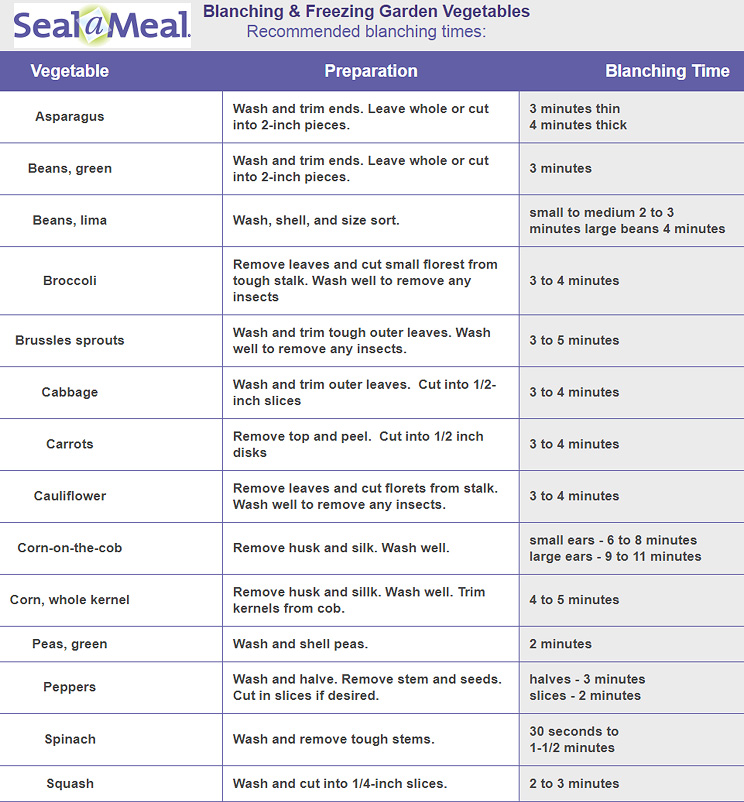
Food Preservation Guide V Blanching, Freezing + SealAMeal Tips

Blanching Vegetables

Blanching Vegetables For Freezing A StepByStep Guide Vegetables

How to Blanch and Freeze Vegetables A Handy Guide
:max_bytes(150000):strip_icc()/blanching-vegetables-before-drying-them-1327555-color01-1269cbb43f4c4109a2ba2edcff676d70.gif)
Blanching Vegetables Before Drying Them

Blanching Process Angel Vegetable
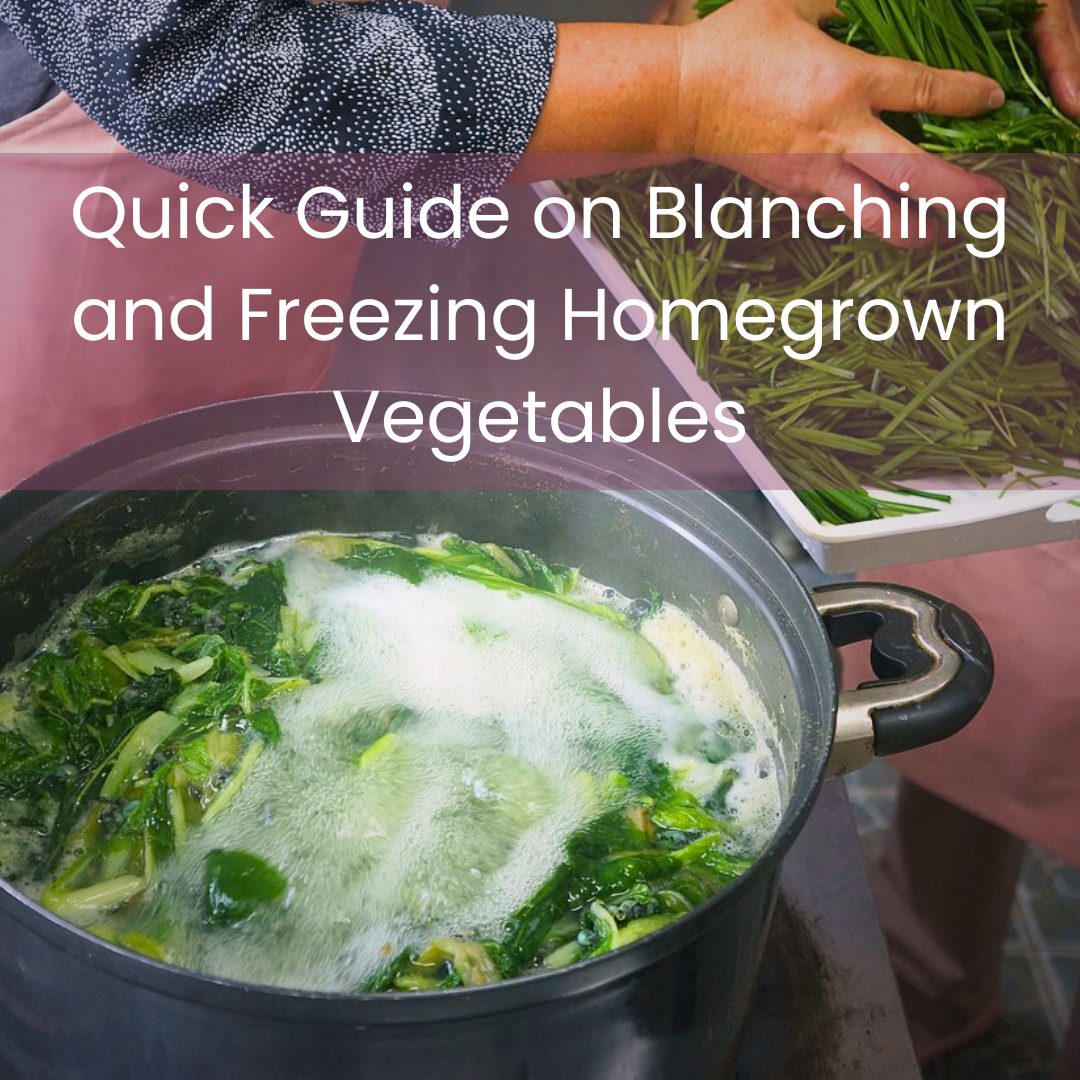
Simple Guide to Blanching and Freezing Homegrown Vegetables by Lauren
Use A Blancher Which Has A Blanching Basket And Cover, Or Fit A Wire Basket Into A Large Pot With A Lid.
Almost All Raw Vegetables Must Be Blanched Before Being Frozen.
Web Along With Steaming, Blanching Vegetables Is A Basic Technique Every Cook Should Know.
Web While You Can Blanch Just About All Vegetables, The Candidates That Benefit The Most Are Crunchy Veggies That Won't Soak Up A Lot Of Water.
Related Post: