
Time Signature Chart
Time Signature Chart - We use time signatures to tell musicians how to group musical notes. A regular time signature is one which represents 2, 3 or 4 main beats per bar. It looks a bit like a fraction. Web in sheet music, the time signature appears at the beginning of a piece as a symbol or stacked numerals immediately following the key signature (or immediately following the clef symbol if the key signature is empty). There are three main types of time signatures: When it comes to reading music, understanding time signatures is essential to understanding musical notation and the rhythm of a piece of sheet music. Here are some different time signatures you might see in a piece of music. With the help of time signatures and tempo. The top number shows the number of beats in every measure (bar). Nov 2, 2021 • 3 min read. All the time meters in these charts are regular time signatures. It looks a bit like a fraction. There are three main types of time signatures: Web in sheet music, the time signature appears at the beginning of a piece as a symbol or stacked numerals immediately following the key signature (or immediately following the clef symbol if the key signature is empty). We use time signatures to tell musicians how to group musical notes. Web time signatures tell us how many beats of music there are per measure and which musical note represents a single ‘beat’ in the particular song. When it comes to reading music, understanding time signatures is essential to understanding musical notation and the rhythm of a piece of sheet music. Web guide to time signatures in music: Nov 2, 2021 • 3 min read. Duple time means 2 main beats per bar. Web in sheet music, the time signature appears at the beginning of a piece as a symbol or stacked numerals immediately following the key signature (or immediately following the clef symbol if the key signature is empty). Web learn the basics of time signatures, how to read them, how they are categorized into meters, and why composers may choose some. Here are some different time signatures you might see in a piece of music. Web a time signature appears at the beginning of a piece of music to show the time or meter of the music. A regular time signature is one which represents 2, 3 or 4 main beats per bar. Web guide to time signatures in music: Web. It consists of two numbers on top of each other (a bit like a fraction in math, but without the line). All the time meters in these charts are regular time signatures. Web a time signature appears at the beginning of a piece of music to show the time or meter of the music. Web learn the basics of time. Web in sheet music, the time signature appears at the beginning of a piece as a symbol or stacked numerals immediately following the key signature (or immediately following the clef symbol if the key signature is empty). Web time signatures tell us how many beats of music there are per measure and which musical note represents a single ‘beat’ in. Web this time signature chart shows the most common regular time signatures. It looks a bit like a fraction. Here are some different time signatures you might see in a piece of music. Web guide to time signatures in music: Web on this page, i’ve put together some time signature charts of different simple and compound time signatures and how. Web in sheet music, the time signature appears at the beginning of a piece as a symbol or stacked numerals immediately following the key signature (or immediately following the clef symbol if the key signature is empty). Web on this page, i’ve put together some time signature charts of different simple and compound time signatures and how we arrange them. We use time signatures to tell musicians how to group musical notes. The top number shows the number of beats in every measure (bar). There are three main types of time signatures: Web on this page, i’ve put together some time signature charts of different simple and compound time signatures and how we arrange them into duple, triple, and quadruple. The top number shows the number of beats in every measure (bar). Here are some different time signatures you might see in a piece of music. Nov 2, 2021 • 3 min read. A regular time signature is one which represents 2, 3 or 4 main beats per bar. It consists of two numbers on top of each other (a. It looks a bit like a fraction. It consists of two numbers on top of each other (a bit like a fraction in math, but without the line). With the help of time signatures and tempo. Web a time signature appears at the beginning of a piece of music to show the time or meter of the music. Web learn. Here are some different time signatures you might see in a piece of music. With the help of time signatures and tempo. We use time signatures to tell musicians how to group musical notes. Web guide to time signatures in music: Web this time signature chart shows the most common regular time signatures. We use time signatures to tell musicians how to group musical notes. Triple time means 3 main beats per bar. Duple time means 2 main beats per bar. Web time signatures tell us how many beats of music there are per measure and which musical note represents a single ‘beat’ in the particular song. Web in this article, we’ll cover what time signatures in music are, why they’re used, how to interpret them, plus a few examples of common and uncommon time signatures in different genres. Web a time signature appears at the beginning of a piece of music to show the time or meter of the music. There are three main types of time signatures: It looks a bit like a fraction. With the help of time signatures and tempo. A regular time signature is one which represents 2, 3 or 4 main beats per bar. Web guide to time signatures in music: It consists of two numbers on top of each other (a bit like a fraction in math, but without the line). The top number shows the number of beats in every measure (bar). Web a time signature, also known as a time meter, is made up of two numbers, one on top of the other. Web this time signature chart shows the most common regular time signatures. When it comes to reading music, understanding time signatures is essential to understanding musical notation and the rhythm of a piece of sheet music.
Time Signature In Musical Notation Phamox Music
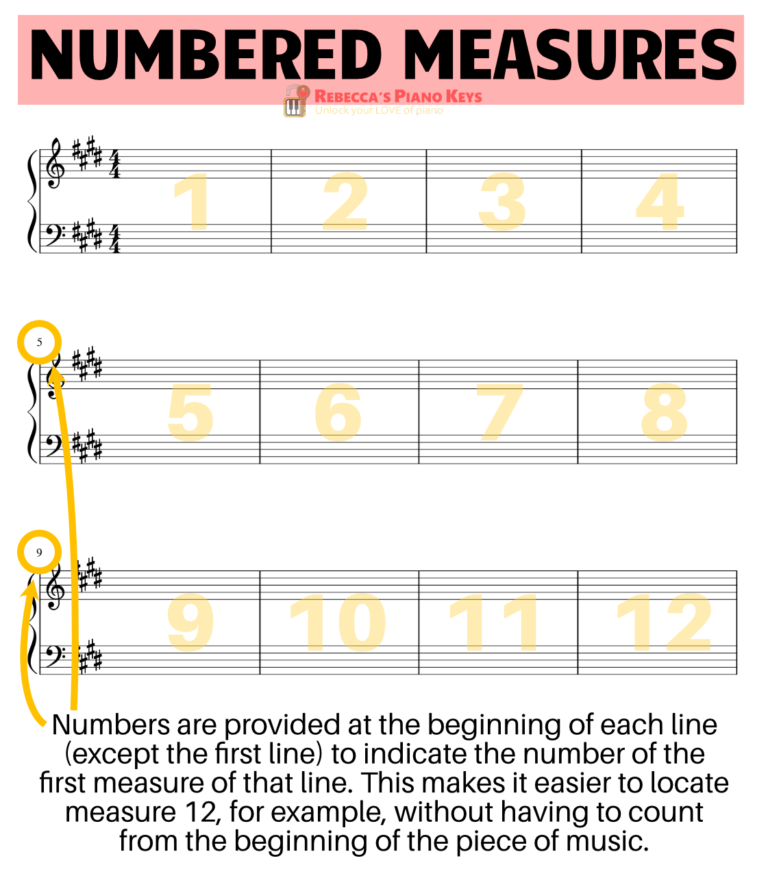
Time Signatures and Meter A Beginner's Guide Rebecca's Piano Keys
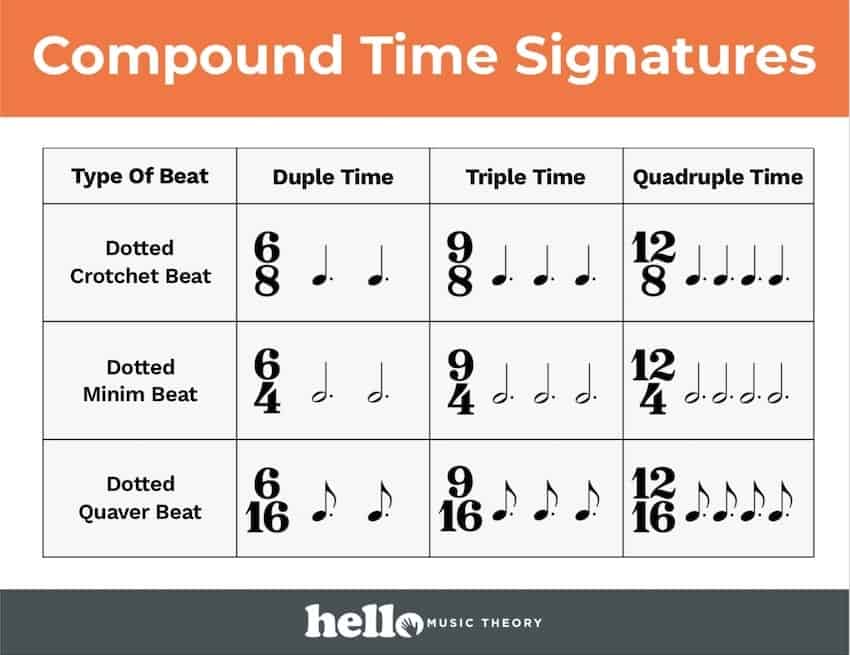
Time Signature Charts Hello Music Theory
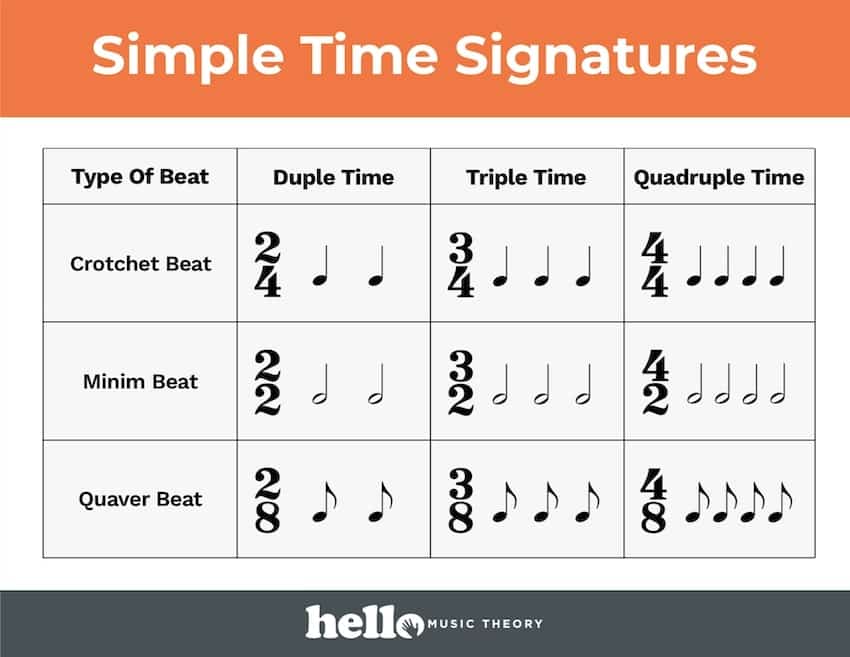
Time Signature Charts Hello Music Theory
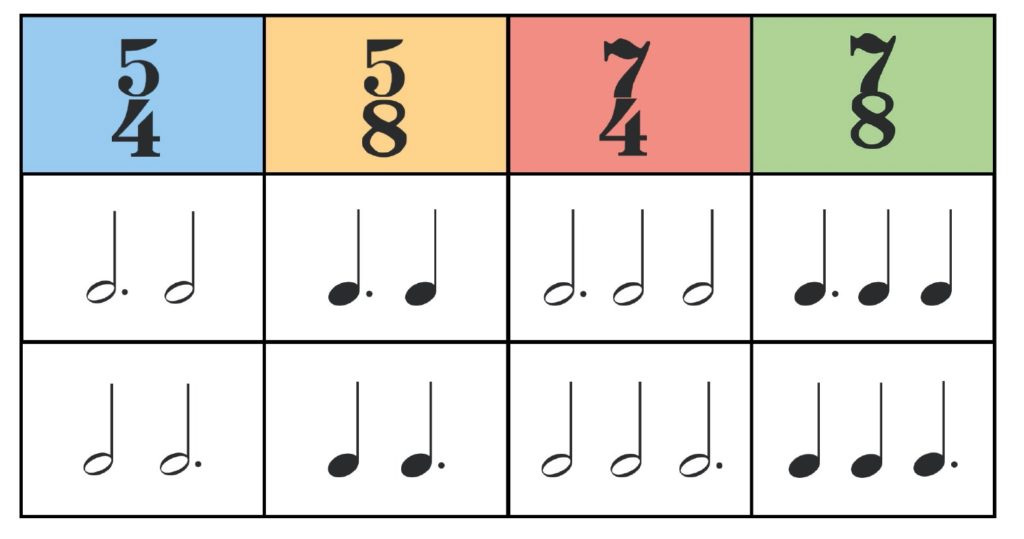
Grade 5 Music Theory Time Signatures Jade Bultitude

Reading rhythm, part 12 time signatures

how to determine time signature

Time Signatures What are they and how do they work?
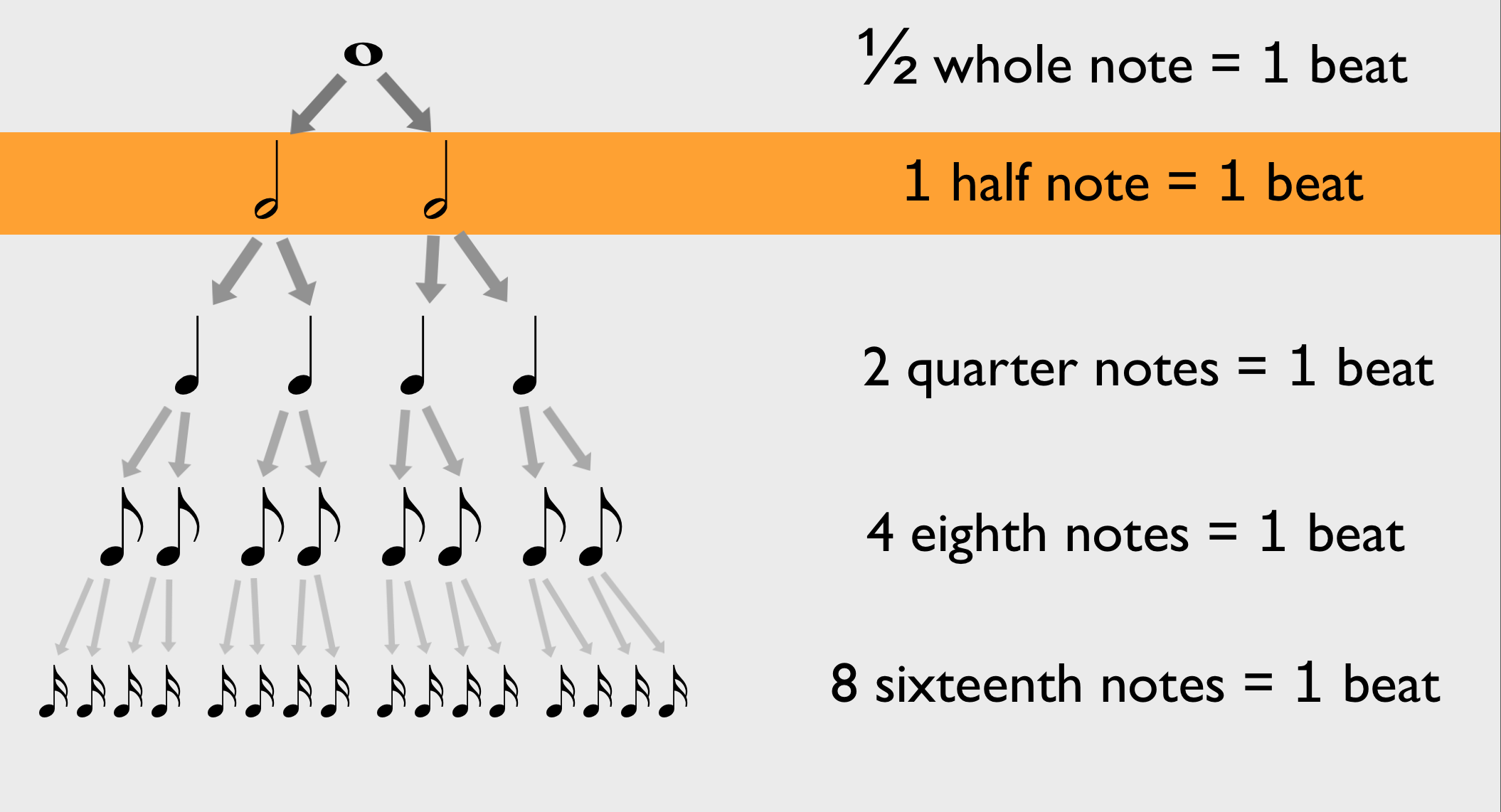
Time Signatures & Meters Everything you need to know School of
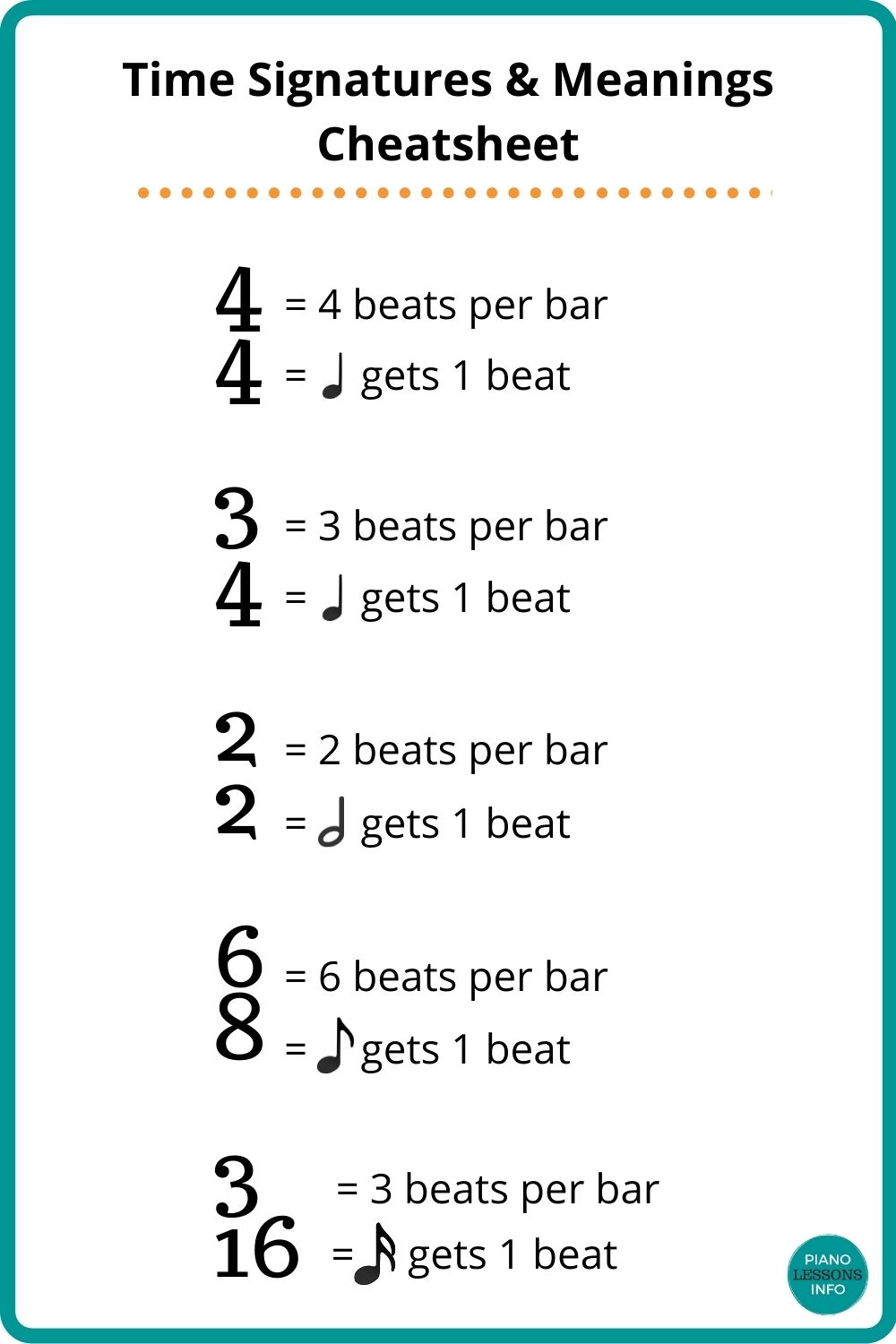
Time Signatures in Music Explained
All The Time Meters In These Charts Are Regular Time Signatures.
Nov 2, 2021 • 3 Min Read.
Web In Sheet Music, The Time Signature Appears At The Beginning Of A Piece As A Symbol Or Stacked Numerals Immediately Following The Key Signature (Or Immediately Following The Clef Symbol If The Key Signature Is Empty).
Web On This Page, I’ve Put Together Some Time Signature Charts Of Different Simple And Compound Time Signatures And How We Arrange Them Into Duple, Triple, And Quadruple Time.
Related Post: