
Stick Welding Electrode Chart
Stick Welding Electrode Chart - Web what material are you welding? Web electrode, current and polarity. Suitable for use with most welding machines. The most common type of covered electrode is the lincoln electric “e6010” rod that is made from cellulosic coating. Plus a chart with rod size and amperage per metal thickness in inches and mm. Core wire used with electrodes needs to be narrower than the materials that are welded. Web before welding, it is recommended by wia that the materials weldability/compatibility be confirmed by a suitably qualified welding specialist in choosing the correct welding electrode to be used. In this guide, we’ll focus on which electrodes to use for mig/tig and stick welding. Below is a chart of the different types of stick welding rod and explanations of what the. To strike an electric arc, bring the tip of the stick electrode near where you want to start the weld. Stick welding techniques and basic guidelines for different metals. Web when stick welding, you’ll need to know what the different types of stick welding electrode numbers mean and what applications they’re suitable for. A welding electrode chart is your roadmap. Web in stick welding, the welding electrode is covered with a flux that helps protect the weld puddle from atmospheric contamination and aids in the formation of a good weld bead. The electrode coating can help stabilize the arc, create smooth weld appearance, and increase the deposition rate among other things. Common rod sizes are 1⁄16, 5⁄64, 3⁄32 (most common), 1⁄8, 3⁄16, 7⁄32, 1⁄4, and 5⁄16 inches. Web electrode welding, or stick welding, uses electrode rods covered in a flux, each of which has various properties and uses. Almost like striking a match, strike the stick electrode slightly across the workpiece until you have established an. Plus a chart with rod size and amperage per metal thickness in inches and mm. The most common type of covered electrode is the lincoln electric “e6010” rod that is made from cellulosic coating. 301, 302, 304, 304l, 3cr12, etc. Web our powerful calculator let's you easily determine which stick electrode you need. Plus a chart with rod size and amperage per metal thickness in inches and mm. The electrode coating can help stabilize the arc, create smooth weld appearance, and increase the deposition rate among other things. Web stick electrode chart. Web however, stick welding is the most commonly used arc welding process, making use of an electrode (sometimes called a filler rod or just a stick) and electric power to fuse metals together and fill in the joint. In this guide, we’ll focus on which electrodes to use for mig/tig and stick welding. Plus you'll get the most complete welding. Web welding connects metals through heat and precision, and the right electrode is vital for a perfect bond. Web basic overview of stick welding terms, common questions, basic equipment and how stick welding works. Web see our chart and guide on how to select the right welding rod size diameter and amperage depending on metal thickness and other variables. The. Web our powerful calculator let's you easily determine which stick electrode you need. Web a stick welding amperage chart provides valuable information on the recommended amperage range for different welding rod sizes and metal thicknesses. Web electrode welding, or stick welding, uses electrode rods covered in a flux, each of which has various properties and uses. The most common type. Stick welding electrodes vary by: To strike an electric arc, bring the tip of the stick electrode near where you want to start the weld. Web before welding, it is recommended by wia that the materials weldability/compatibility be confirmed by a suitably qualified welding specialist in choosing the correct welding electrode to be used. Web a stick welding amperage chart. Welder safety, joint preparation, electrode selection and equipment setup. Web our powerful calculator let's you easily determine which stick electrode you need. Web electrode welding, or stick welding, uses electrode rods covered in a flux, each of which has various properties and uses. The vertical up and overhead procedures in this section recommend 3/16” and smaller fleetweld 5p or 5p+. Web however, stick welding is the most commonly used arc welding process, making use of an electrode (sometimes called a filler rod or just a stick) and electric power to fuse metals together and fill in the joint. Web a stick welding amperage chart provides valuable information on the recommended amperage range for different welding rod sizes and metal thicknesses.. Web however, stick welding is the most commonly used arc welding process, making use of an electrode (sometimes called a filler rod or just a stick) and electric power to fuse metals together and fill in the joint. Web in stick welding, the welding electrode is covered with a flux that helps protect the weld puddle from atmospheric contamination and. Web stick welding electrode types. Web however, stick welding is the most commonly used arc welding process, making use of an electrode (sometimes called a filler rod or just a stick) and electric power to fuse metals together and fill in the joint. In this guide, we’ll focus on which electrodes to use for mig/tig and stick welding. Common rod. The electrodes provide good penetration and are easy to use. Web welding connects metals through heat and precision, and the right electrode is vital for a perfect bond. The electrode coating can help stabilize the arc, create smooth weld appearance, and increase the deposition rate among other things. Below is a chart of the different types of stick welding rod. Web our powerful calculator let's you easily determine which stick electrode you need. Web what material are you welding? The electrodes provide good penetration and are easy to use. Web stick welding electrode types. To avoid possible welding defects, stick welding electrodes are designed and used according to the mechanical properties of the base metal. Stick welding electrodes vary by: Browse suggested weld parameter settings for stick welding. Web thick materials require an electrode with maximum ductility and low hydrogen to prevent weld cracking. Welder safety, joint preparation, electrode selection and equipment setup. Common rod sizes are 1⁄16, 5⁄64, 3⁄32 (most common), 1⁄8, 3⁄16, 7⁄32, 1⁄4, and 5⁄16 inches. They are commonly used in fabrication, construction, and repair work. Web basic overview of stick welding terms, common questions, basic equipment and how stick welding works. Core wire used with electrodes needs to be narrower than the materials that are welded. Suitable for use with most welding machines. Good resistance to pitting, acids & general corrosion. Web how to select stick welding rod type, size, and amperage.
Find the right welding electrode types for your project

How to Choose the Right Stick Welding Electrode and Rod Type
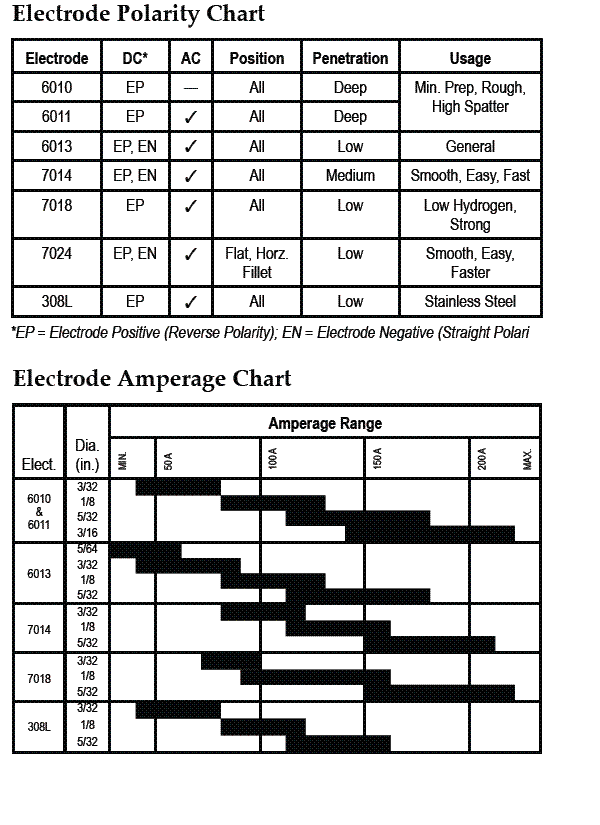
Stick Welding Electrode Chart
Stick Welding Electrode Chart

Welding Rods for Stick Welding The Definitive Electrode Guide (2019)
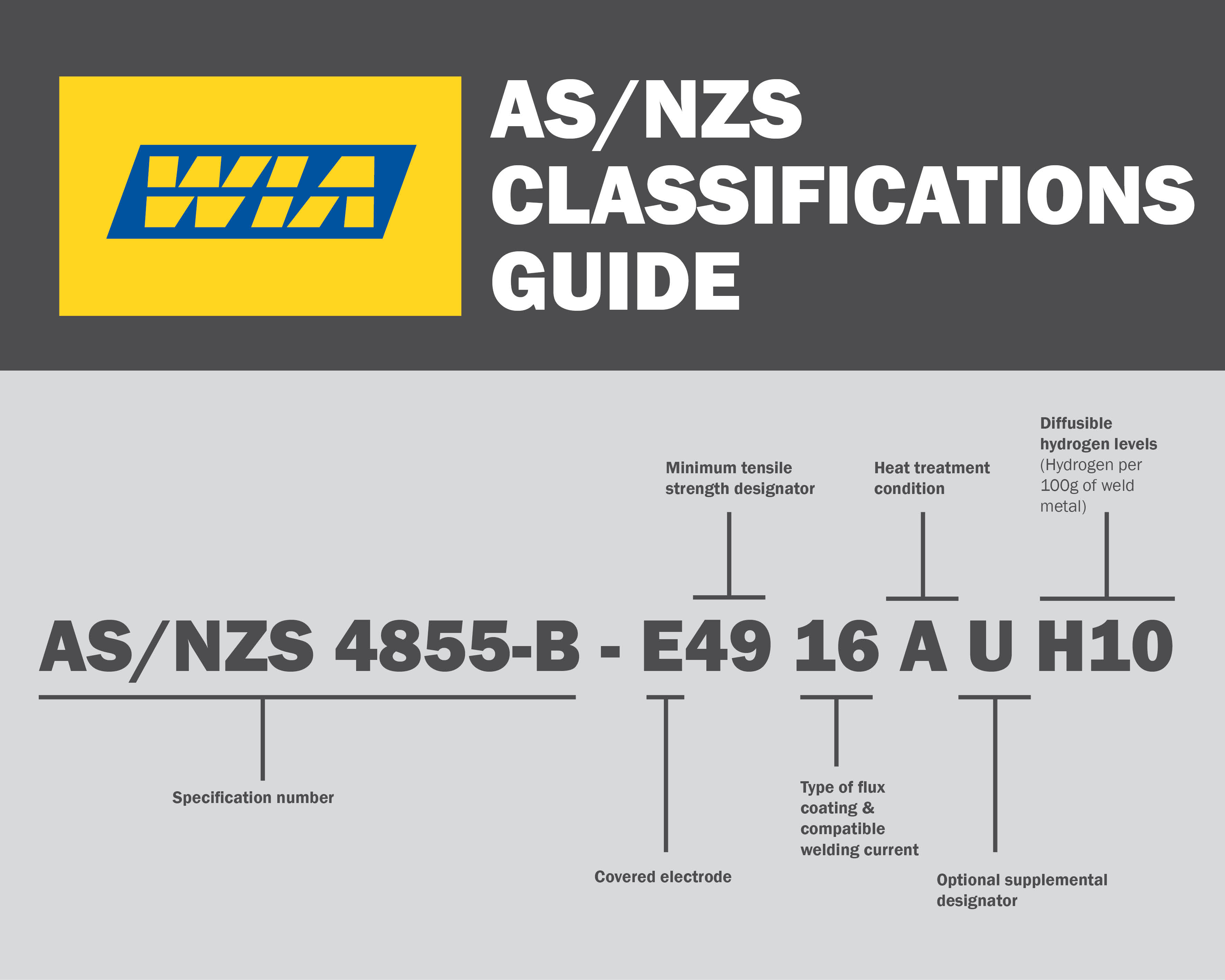
Selecting the Right Stick Electrode WIA
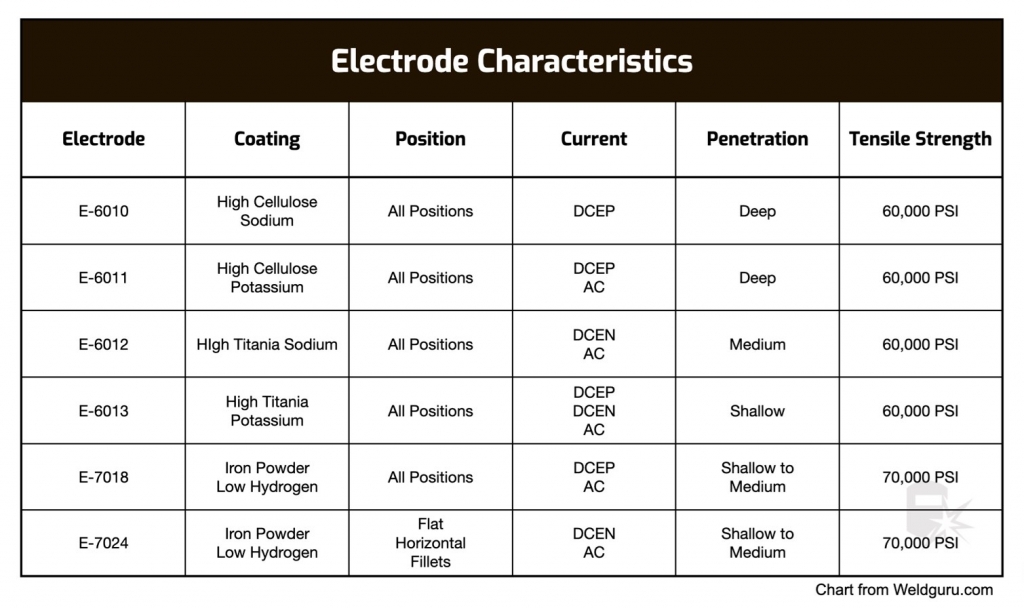
Welding Electrode Chart and Selection Weld Guru
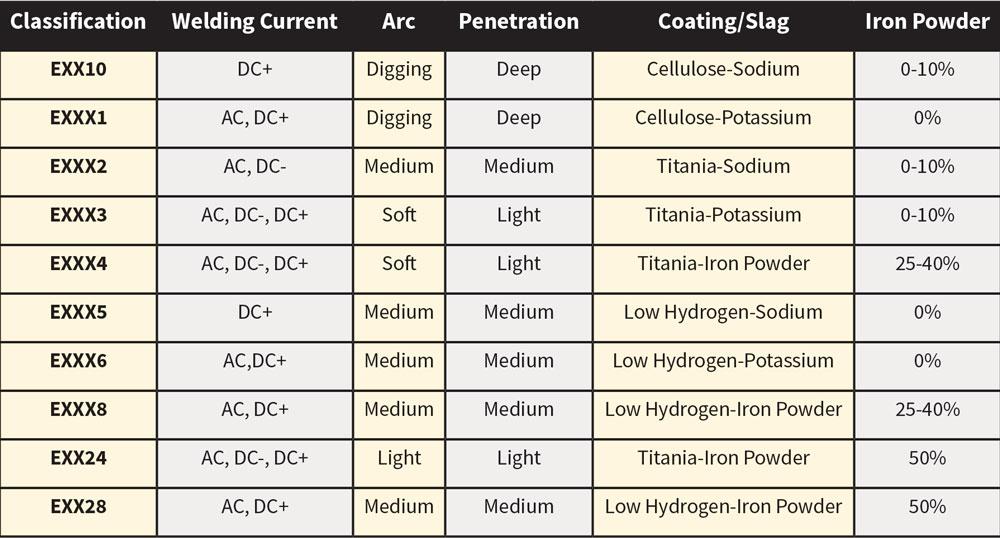
Stick electrode and welding basics
Round Rock Welding Supply Round Rock T Stick Welding Electrode
Welding Rods for Stick Welding The Definitive Electrode Guide (2019)
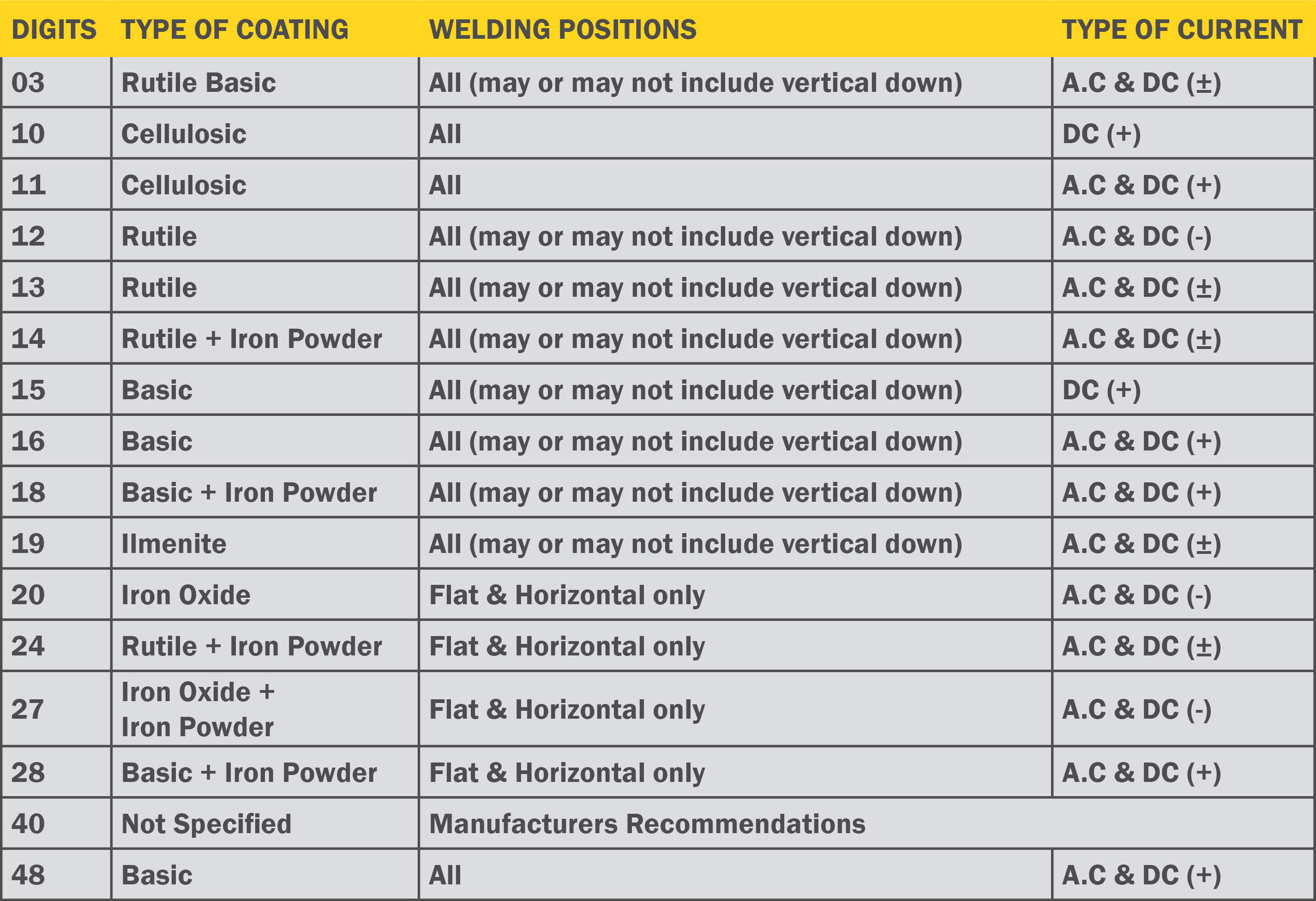
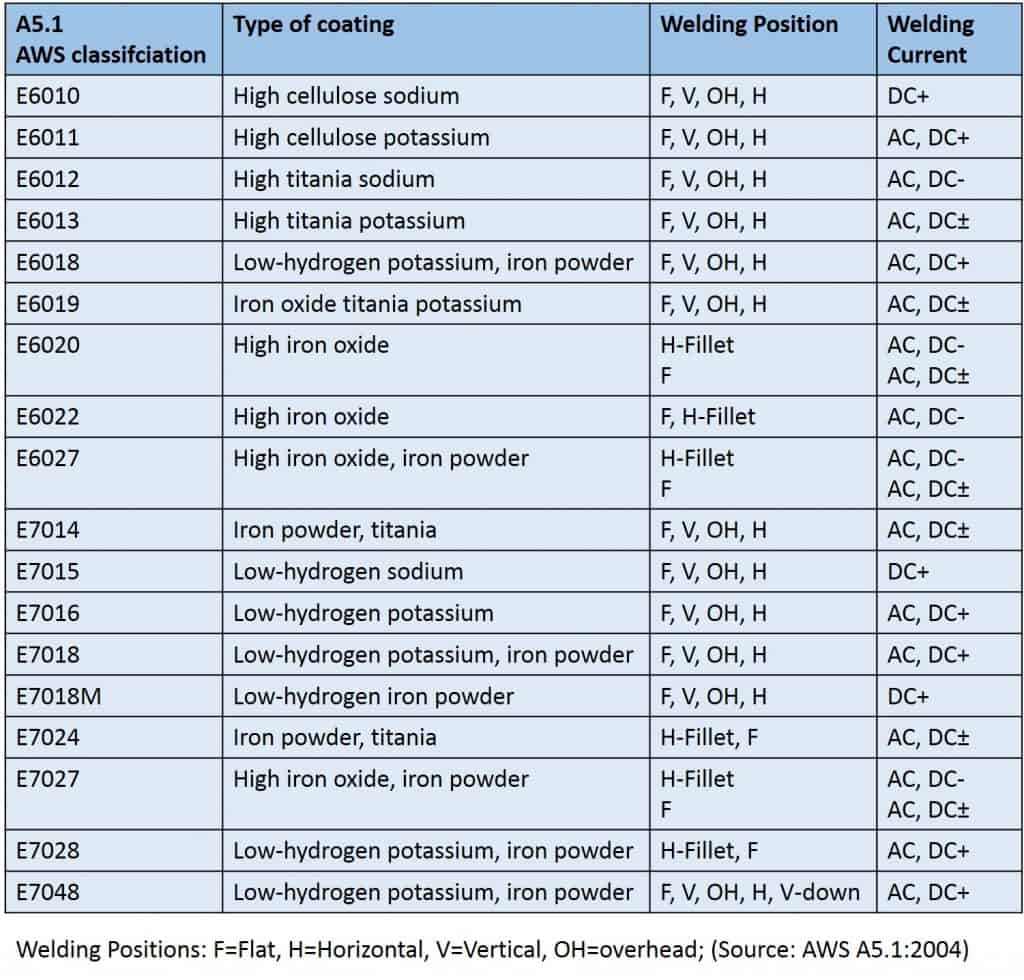
Below Is A Chart Of The Different Types Of Stick Welding Rod And Explanations Of What The.
Web When Stick Welding, You’ll Need To Know What The Different Types Of Stick Welding Electrode Numbers Mean And What Applications They’re Suitable For.
301, 302, 304, 304L, 3Cr12, Etc.
The Most Common Type Of Covered Electrode Is The Lincoln Electric “E6010” Rod That Is Made From Cellulosic Coating.
Related Post:
