
Six Sigma Control Chart
Six Sigma Control Chart - Web six sigma control charts are essential tools within the six sigma methodology. Web six sigma control charts are known as process behavior charts. Control charts are commonly used in six sigma projects to monitor and control processes, ensuring that they meet customer requirements and perform within acceptable limits. The control chart was invented by walter shewhart at bell labs in 1920. Web the control chart is a graphical display of quality characteristics that have been measured or computed from a sample versus the sample number or time. Web a six sigma control chart is a simple yet powerful tool for evaluating the stability of a process or operation over time. They are used extensively during the measure and analyze phases of the dmaic approach to understand process capabilities and identify sources of variation. Special cause variation, as distinct from common cause variation, refers to changes in process performance due to sporadic or rare events indicating that a process is not “in control.”. Creating a control chart requires a graph that covers a period of time, a center line that shows the results of a process during that time, and upper and lower control limits that indicate whether process variation is within. A control chart is also known as the shewhart chart since it was introduced by walter a shewhart. Predictable but produces the occasional defect. Web control charts play a crucial role in the six sigma methodology by enabling statistical process control (spc). Web the control chart is a graphical display of quality characteristics that have been measured or computed from a sample versus the sample number or time. Web every process falls into one of four states: In six sigma studies, we read control charts in the control phase, like the statistical process cont control chart (spc chart). Not predictable and produces defects at an unacceptable rate. Web x bar r charts are the widely used control charts for variable data to examine the process stability in many industries (like hospital patients’ blood pressure over time, customer call handle times, length of a part in a production process, etc). Control charts are the basis of statistical process controls methodologies, and are used to distinguish between random/uncontrollable variations and controlled/correctable variations in a system. Creating a control chart requires a graph that covers a period of time, a center line that shows the results of a process during that time, and upper and lower control limits that indicate whether process variation is within. Celebrate success and recognize the team. Web six sigma control charts are essential tools within the six sigma methodology. Not predictable and produces defects at an unacceptable rate. Web x bar r charts are the widely used control charts for variable data to examine the process stability in many industries (like hospital patients’ blood pressure over time, customer call handle times, length of a part in. Web control charts are used as a way to display the performance of a process over time. Web six sigma control charts are known as process behavior charts. Web the six sigma method lets organizations identify problems, validate assumptions, brainstorm solutions, and plan for implementation to avoid unintended consequences. Not predictable and produces defects at an unacceptable rate. Edwards deming,. The charts help us track process statistics over time and help us understand the causes of the variation. Web six sigma control charts are significant in monitoring and controlling process variation within the six sigma methodology. Creating a control chart requires a graph that covers a period of time, a center line that shows the results of a process during. They monitor and analyse process variations. Web the primary statistical process control (spc) tool for six sigma initiatives is the control chart — a graphical tracking of a process input or an output over time. Not predictable and produces defects at an unacceptable rate. Edwards deming, spc charts offer visual representations showcasing workflow shifts. Control charts are commonly used in. They monitor and analyse process variations. Control charts are the basis of statistical process controls methodologies, and are used to distinguish between random/uncontrollable variations and controlled/correctable variations in a system. Special cause variation, as distinct from common cause variation, refers to changes in process performance due to sporadic or rare events indicating that a process is not “in control.”. Web. Web related term or concept 2: It can be collected as single data points or rational subgroups of data. In the control chart, these tracked measurements are visually compared to decision limits calculated from probabilities of the actual process performance. This allows us to see how the process behaves over time. Control phase of dmaic overview. Six sigma is a quality management methodology focused on reducing defects and improving process performance. Business enterprises can identify and address process deviations by plotting data points against control limits leading to improved quality, reduced defects, and enhanced overall performance. Collect data, construct your chart and analyze the data. Read this chapter, which gives a clear description of six sigma,. Web control charts play a crucial role in the six sigma methodology by enabling statistical process control (spc). Web the control chart is a graphical display of quality characteristics that have been measured or computed from a sample versus the sample number or time. Not predictable and produces defects at an unacceptable rate. Control charts are commonly used in six. The control phase is approximately a 2 to 3 weeks process. Web control charts play a crucial role in the six sigma methodology by enabling statistical process control (spc). We can also call it as process behavior chart. Not predictable and produces defects at an unacceptable rate. Web six sigma control charts are significant in monitoring and controlling process variation. Web the primary statistical process control (spc) tool for six sigma initiatives is the control chart — a graphical tracking of a process input or an output over time. By this, we can see how is the process behaving over the period of time. Data for the control chart can be selected randomly or over a specified time period. Collect. In six sigma studies, we read control charts in the control phase, like the statistical process cont control chart (spc chart). By this, we can see how is the process behaving over the period of time. Predictable but produces the occasional defect. Read this chapter, which gives a clear description of six sigma, when it is used, and how to interpret the results. It can be collected as single data points or rational subgroups of data. They are used extensively during the measure and analyze phases of the dmaic approach to understand process capabilities and identify sources of variation. Web every process falls into one of four states: Web control charts are used as a way to display the performance of a process over time. Data for the control chart can be selected randomly or over a specified time period. Web six sigma control charts are significant in monitoring and controlling process variation within the six sigma methodology. Collect data, construct your chart and analyze the data. Six sigma is a quality management methodology focused on reducing defects and improving process performance. Web some of the more common control charts are the xbar and r chart, imr chart, p and np charts, and c and u charts. The control phase is approximately a 2 to 3 weeks process. When one is identified, mark it on the chart and investigate the cause. Web the primary statistical process control (spc) tool for six sigma initiatives is the control chart — a graphical tracking of a process input or an output over time.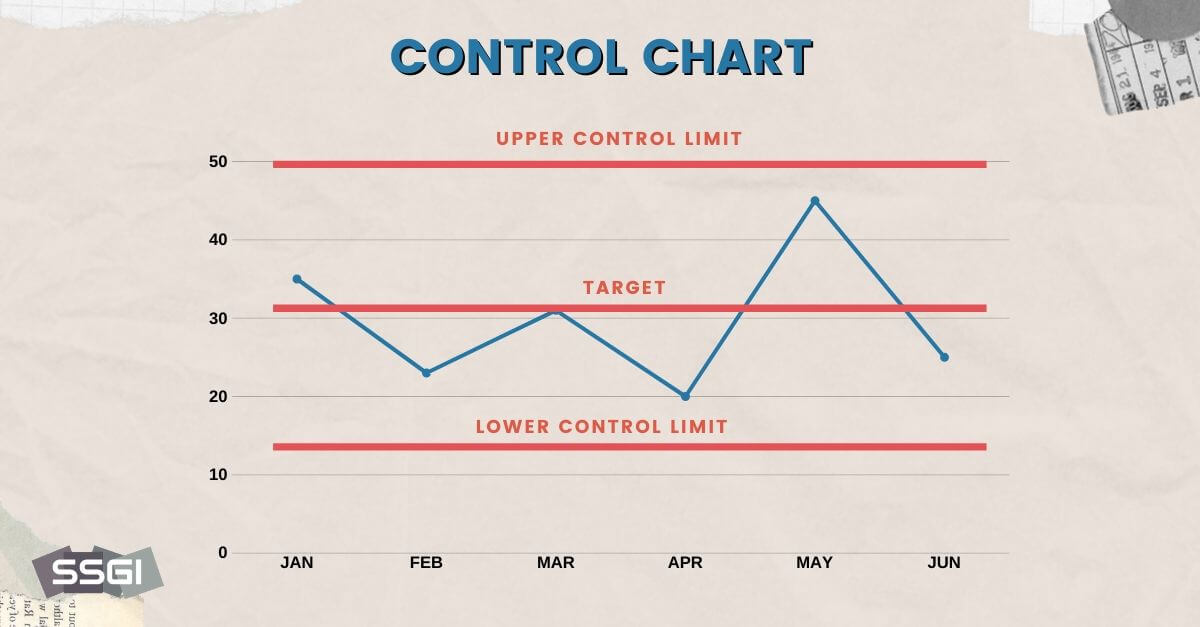
Lean Six Sigma The Definitive Guide (2024) SSGI
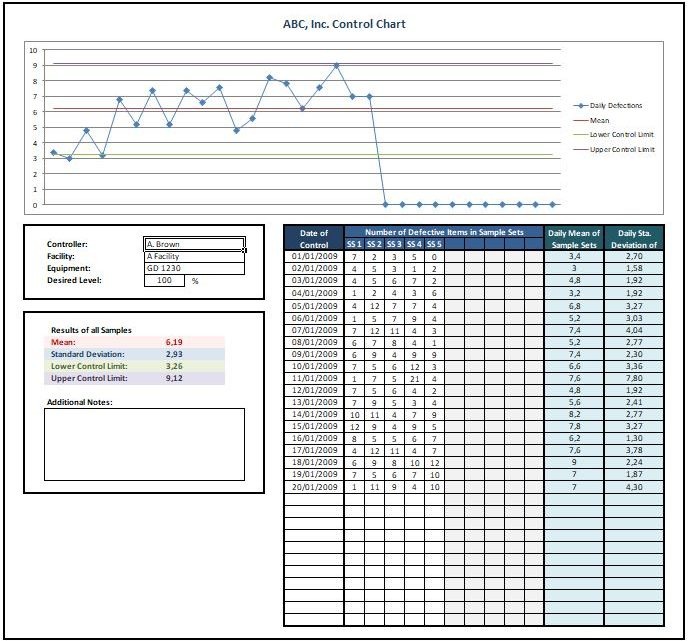
Control Chart 6 sigma Spreadsheet
What is Control Charts in Six Sigma and How to Create them?
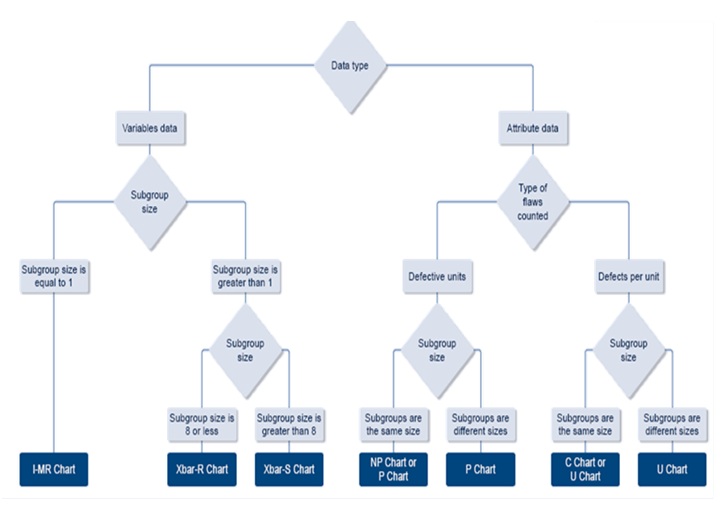
Six Sigma DMAIC Process Control Phase Control Chart Selection
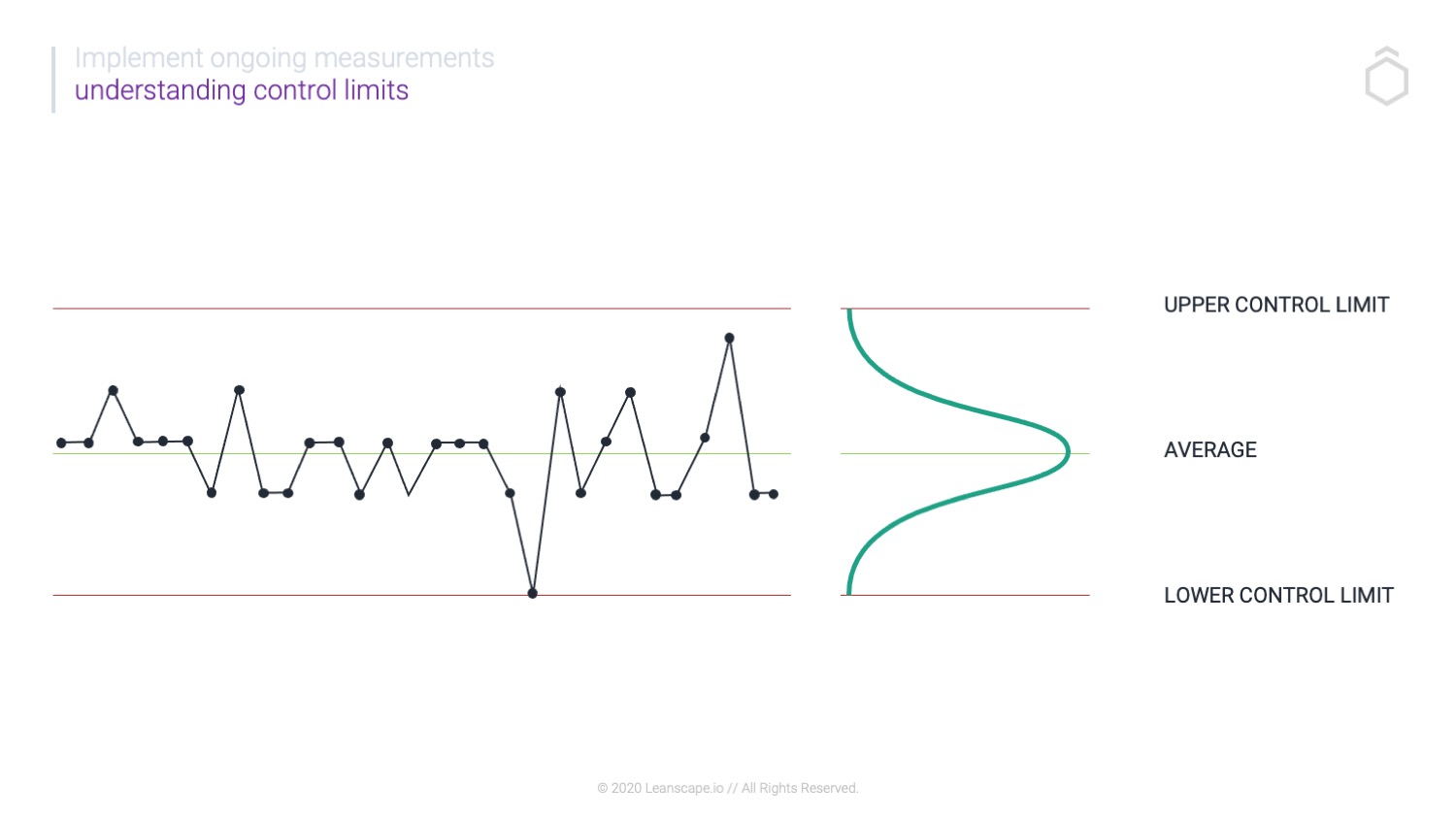
6 Sigma Control Chart Introduction Toolkit from Leanscape
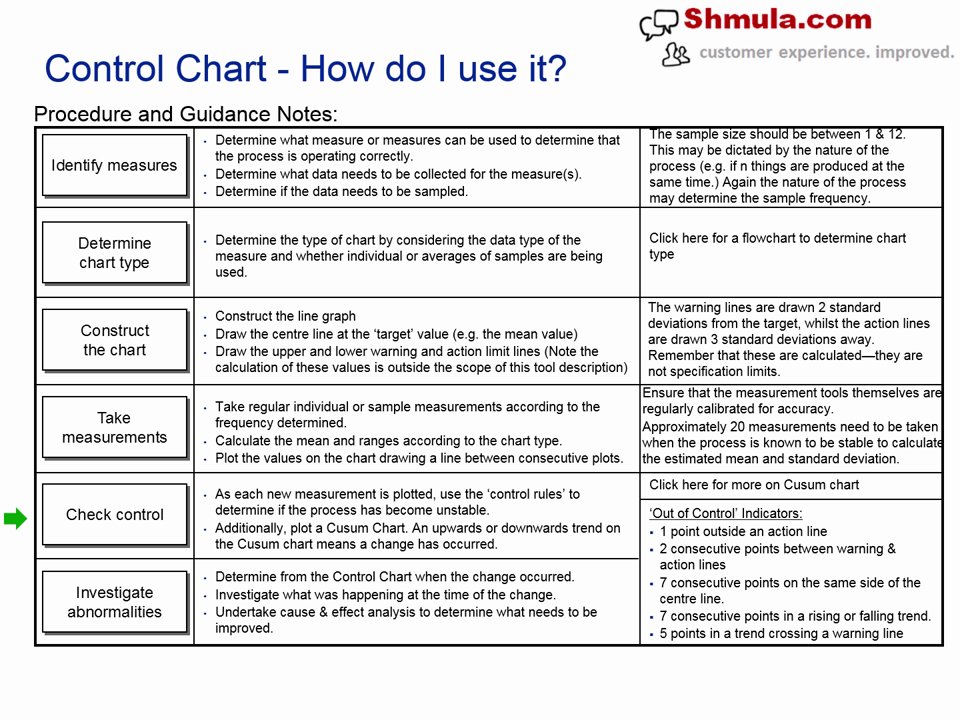
Control Chart Rules Six Sigma A Visual Reference of Charts Chart Master
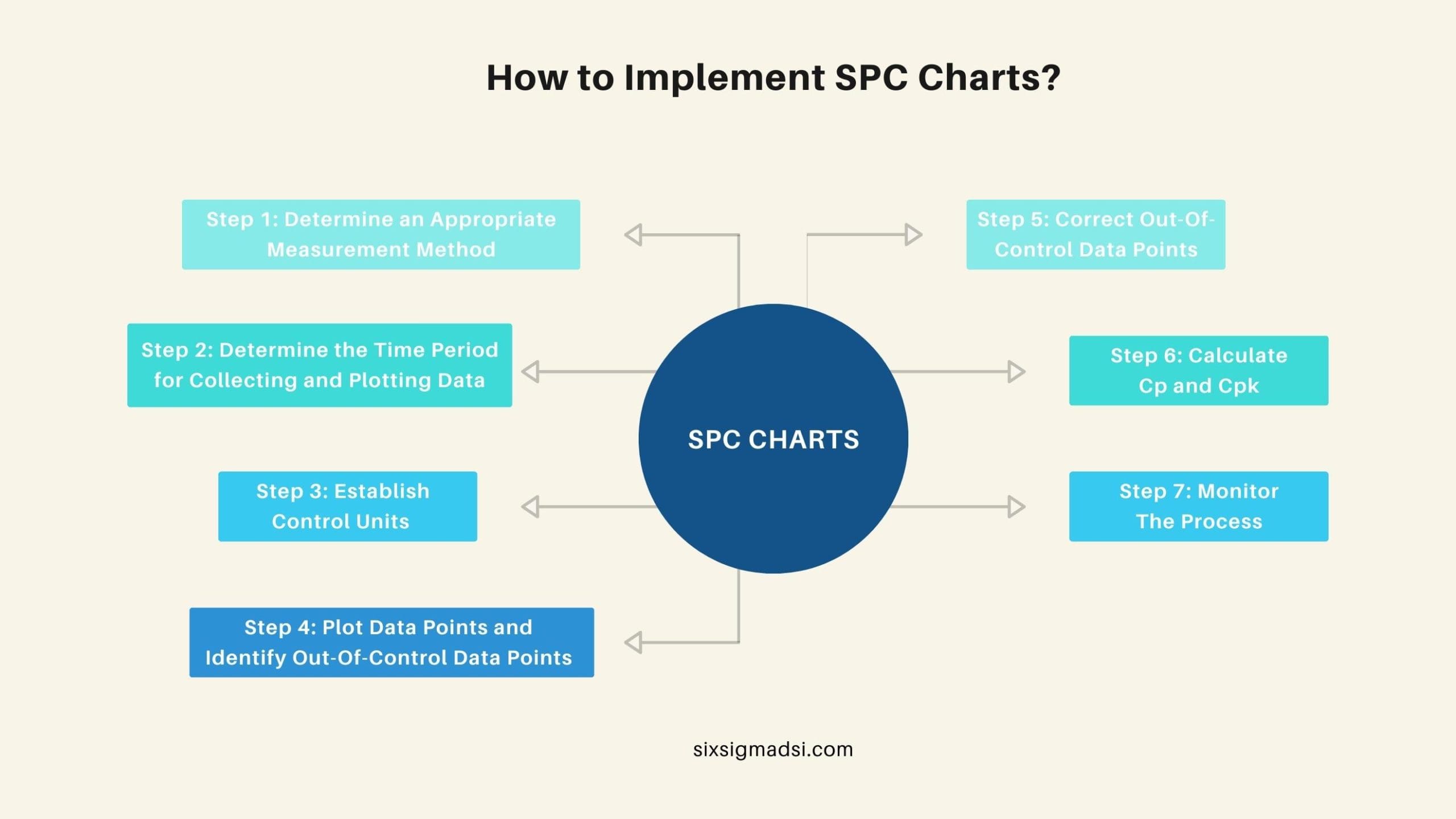
Full Guide To Six Sigma Control Charts
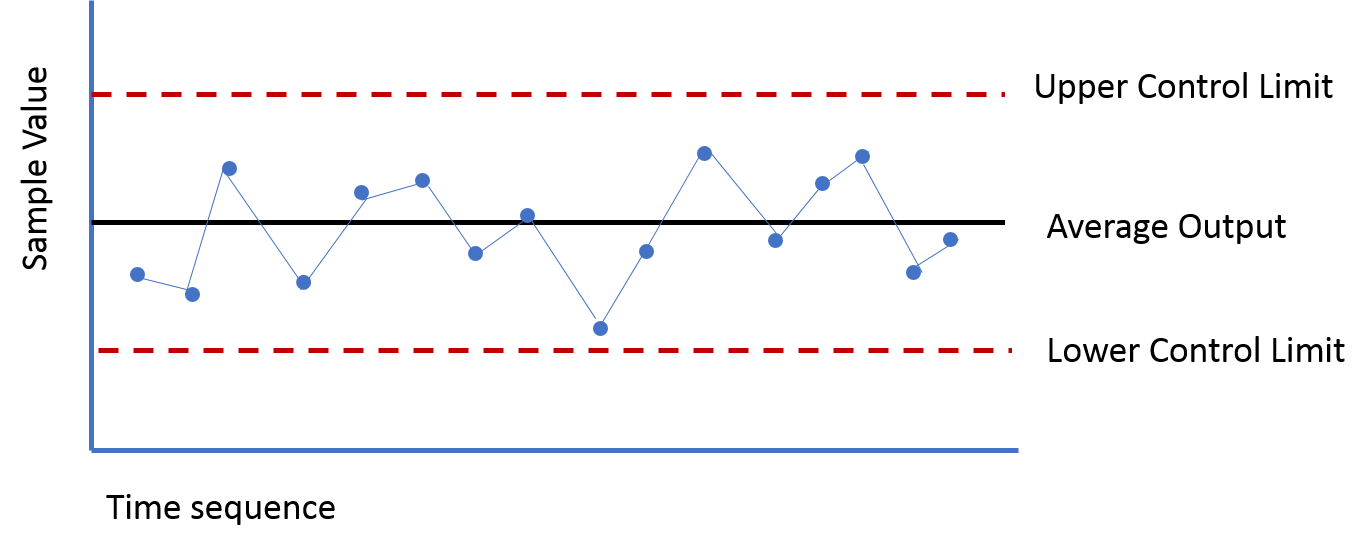
Control Charts Six Sigma

Six Sigma Control Charts
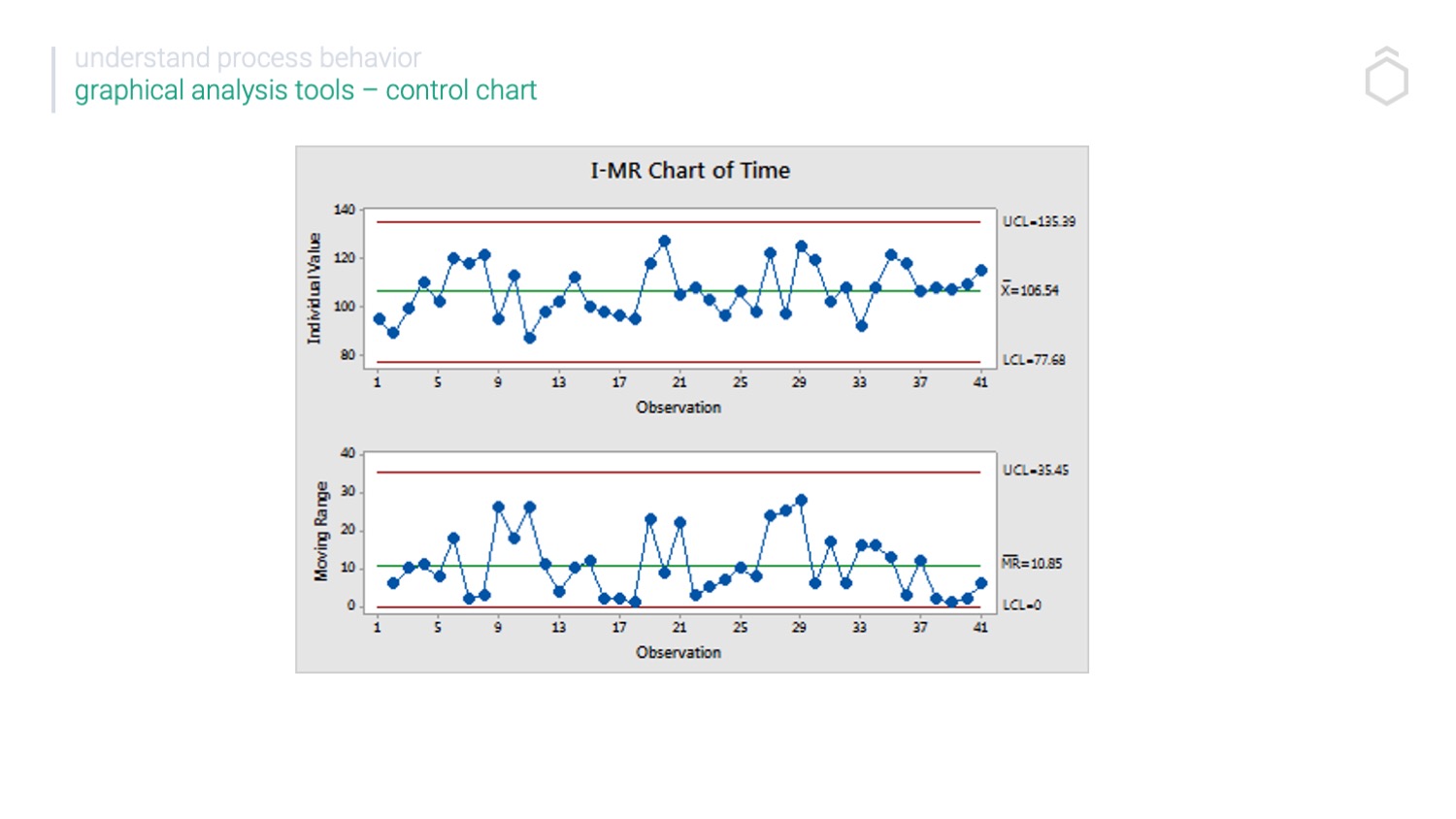
6 Sigma Control Chart Introduction Toolkit from Leanscape
Special Cause Variation, As Distinct From Common Cause Variation, Refers To Changes In Process Performance Due To Sporadic Or Rare Events Indicating That A Process Is Not “In Control.”.
Web X Bar R Charts Are The Widely Used Control Charts For Variable Data To Examine The Process Stability In Many Industries (Like Hospital Patients’ Blood Pressure Over Time, Customer Call Handle Times, Length Of A Part In A Production Process, Etc).
The Activities In The Control Phase Are To Create And Update Standard Works Or Work Instructions.
They Monitor And Analyse Process Variations.
Related Post: