
Raas System Flow Chart
Raas System Flow Chart - One piece is the hormone angiotensin i. Raas signaling enhances cell proliferation in malignancy directly and indirectly by affecting tumor cells and modulating angiogenesis. The liver, lung, adrenal gland, kidney, and vasculature are all prominently involved. While the baroreceptor reflex responds short term to decreased arterial pressure, the raas is responsible for acute and chronic alterations. Learn how juxtaglomerular cells in the kidneys release renin in response to low blood pressure, triggering a cascade of hormones that ultimately raise blood pressure. When blood pressure falls (for systolic, to 100 mm hg or lower), the kidneys release the enzyme renin into the bloodstream. Web the primary stimulus for increased renin secretion is decreased blood flow to the kidneys, which may be caused by loss of sodium and water (as a result of diarrhea, persistent vomiting, or excessive perspiration) or by narrowing of a renal artery. When your blood pressure falls, your kidneys release the enzyme renin into your bloodstream. Primarily it is regulated by the rate of renal blood flow. As the name implies, there are three important components to this system: The liver, lung, adrenal gland, kidney, and vasculature are all prominently involved. This article will describe the system, discuss how the system is regulated, and outline some clinically relevant points around it. Gram project is a medical education resource website containing diagrams, tables and flowcharts for all your quick referencing, revision and teaching needs. Web an overview of the physiological mechanisms which regulate blood pressure (bp) including the baroreceptor reflex, raas, adh and anp. Renin splits angiotensinogen, a protein your liver makes and releases, into pieces. A decrease in arterial blood pressure is sensed by the kidneys as decreased renal perfusion pressure. When your blood pressure falls, your kidneys release the enzyme renin into your bloodstream. Primarily it is regulated by the rate of renal blood flow. Furthermore, the raas has various effects on multiple organs via paracrine processes. Dysregulated raas is implicated in high blood. An overview of the normal function of the system, as well as ramifications of its dysfunction. Dysregulated raas is implicated in high blood. Gram project is a medical education resource website containing diagrams, tables and flowcharts for all your quick referencing, revision and teaching needs. One piece is the hormone angiotensin i. Learn how juxtaglomerular cells in the kidneys release. When blood pressure falls (for systolic, to 100 mm hg or lower), the kidneys release the enzyme renin into the bloodstream. Web an overview of the physiological mechanisms which regulate blood pressure (bp) including the baroreceptor reflex, raas, adh and anp. Web flowchart showing the clinical effects of raas activity and the sites of action of ace inhibitors and angiotensin. Dysregulated raas is implicated in high blood. Activation of the raas system occurs after renin release in the kidneys that catalyzes the synthesis. Renin splits angiotensinogen, a large protein that circulates in the bloodstream, into pieces. Raas signaling enhances cell proliferation in malignancy directly and indirectly by affecting tumor cells and modulating angiogenesis. An overview of the normal function of. Web an overview of the physiological mechanisms which regulate blood pressure (bp) including the baroreceptor reflex, raas, adh and anp. Gram project is a medical education resource website containing diagrams, tables and flowcharts for all your quick referencing, revision and teaching needs. While the baroreceptor reflex responds short term to decreased arterial pressure, the raas is responsible for acute and. Activation of the raas system occurs after renin release in the kidneys that catalyzes the synthesis. Web the primary stimulus for increased renin secretion is decreased blood flow to the kidneys, which may be caused by loss of sodium and water (as a result of diarrhea, persistent vomiting, or excessive perspiration) or by narrowing of a renal artery. As the. Web the primary stimulus for increased renin secretion is decreased blood flow to the kidneys, which may be caused by loss of sodium and water (as a result of diarrhea, persistent vomiting, or excessive perspiration) or by narrowing of a renal artery. Renin splits angiotensinogen, a large protein that circulates in the bloodstream, into pieces. Web an overview of the. Primarily it is regulated by the rate of renal blood flow. Furthermore, the raas has various effects on multiple organs via paracrine processes. Dysregulated raas is implicated in high blood. Gram project is a medical education resource website containing diagrams, tables and flowcharts for all your quick referencing, revision and teaching needs. Web an overview of the physiological mechanisms which. Learn how juxtaglomerular cells in the kidneys release renin in response to low blood pressure, triggering a cascade of hormones that ultimately raise blood pressure. While the baroreceptor reflex responds short term to decreased arterial pressure, the raas is responsible for acute and chronic alterations. When your blood pressure falls, your kidneys release the enzyme renin into your bloodstream. One. Web the system is mainly comprised of the three hormones renin, angiotensin ii, and aldosterone. As the name implies, there are three important components to this system: One piece is the hormone angiotensin i. When blood pressure falls (for systolic, to 100 mm hg or lower), the kidneys release the enzyme renin into the bloodstream. Primarily it is regulated by. This article will describe the system, discuss how the system is regulated, and outline some clinically relevant points around it. When blood pressure falls (for systolic, to 100 mm hg or lower), the kidneys release the enzyme renin into the bloodstream. Dysregulated raas is implicated in high blood. Primarily it is regulated by the rate of renal blood flow. Web. Web flowchart showing the clinical effects of raas activity and the sites of action of ace inhibitors and angiotensin receptor blockers. 1) renin, 2) angiotensin, and 3) aldosterone. Dysregulated raas is implicated in high blood. An overview of the normal function of the system, as well as ramifications of its dysfunction. This article will describe the system, discuss how the system is regulated, and outline some clinically relevant points around it. It never hurts to review basic physiologic principles, right? When blood pressure falls (for systolic, to 100 mm hg or lower), the kidneys release the enzyme renin into the bloodstream. Learn how juxtaglomerular cells in the kidneys release renin in response to low blood pressure, triggering a cascade of hormones that ultimately raise blood pressure. Web the system is mainly comprised of the three hormones renin, angiotensin ii, and aldosterone. A decrease in arterial blood pressure is sensed by the kidneys as decreased renal perfusion pressure. Furthermore, the raas has various effects on multiple organs via paracrine processes. Raas signaling enhances cell proliferation in malignancy directly and indirectly by affecting tumor cells and modulating angiogenesis. Primarily it is regulated by the rate of renal blood flow. While the baroreceptor reflex responds short term to decreased arterial pressure, the raas is responsible for acute and chronic alterations. Web an overview of the physiological mechanisms which regulate blood pressure (bp) including the baroreceptor reflex, raas, adh and anp. As the name implies, there are three important components to this system:Flowchart of ReninAngiotensinAldosterone System (RAAS) with Site of
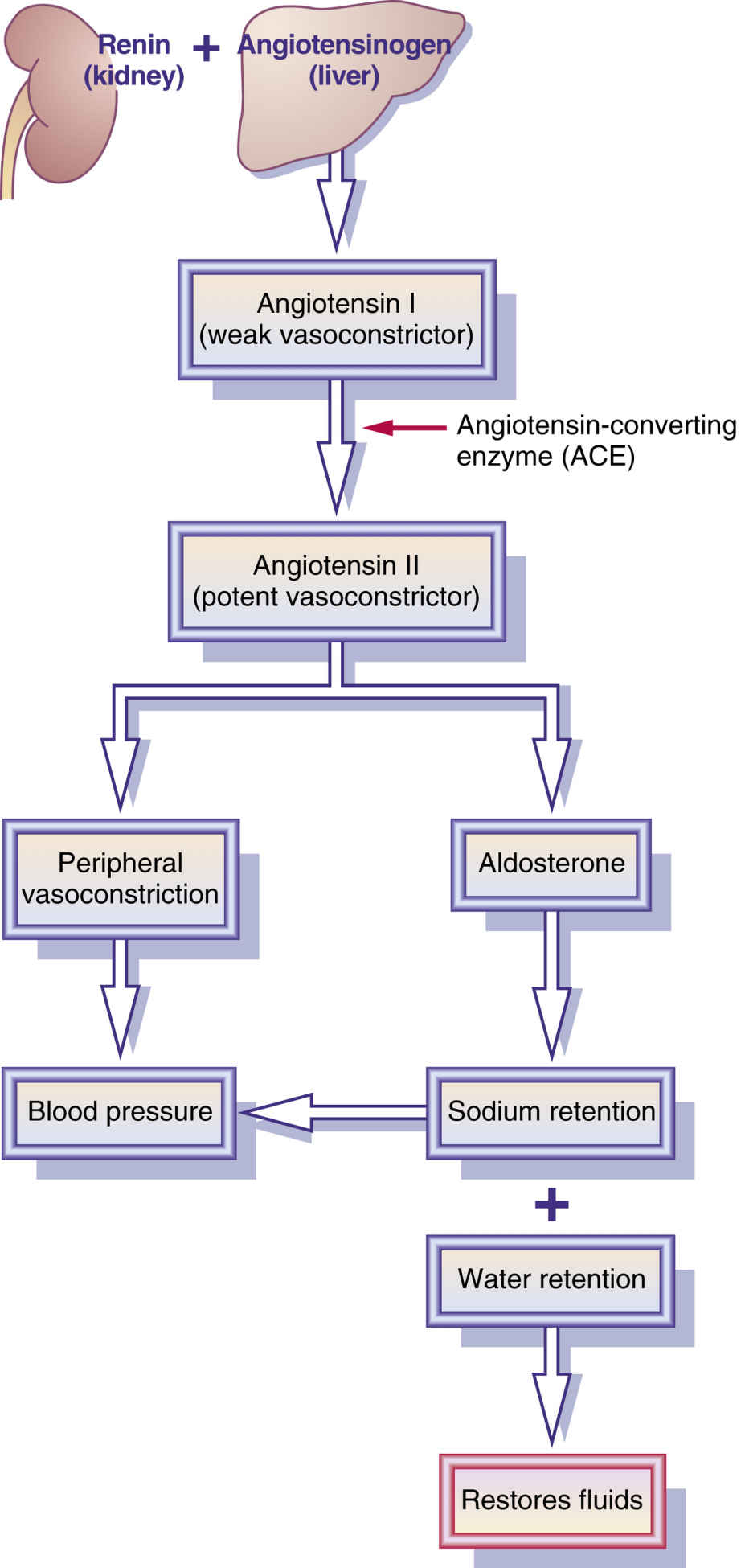
Antihypertensives Basicmedical Key
![The ReninAngiotensinAldosterone [RAAS] Pathway EXPLAINED YouTube](https://i.ytimg.com/vi/_S59qSuosgE/maxresdefault.jpg)
The ReninAngiotensinAldosterone [RAAS] Pathway EXPLAINED YouTube

Schematic representation of the reninangiotensinaldosterone system

Renin Angiotensin Aldosteron System (RAAS) with flow chart by DoctScape
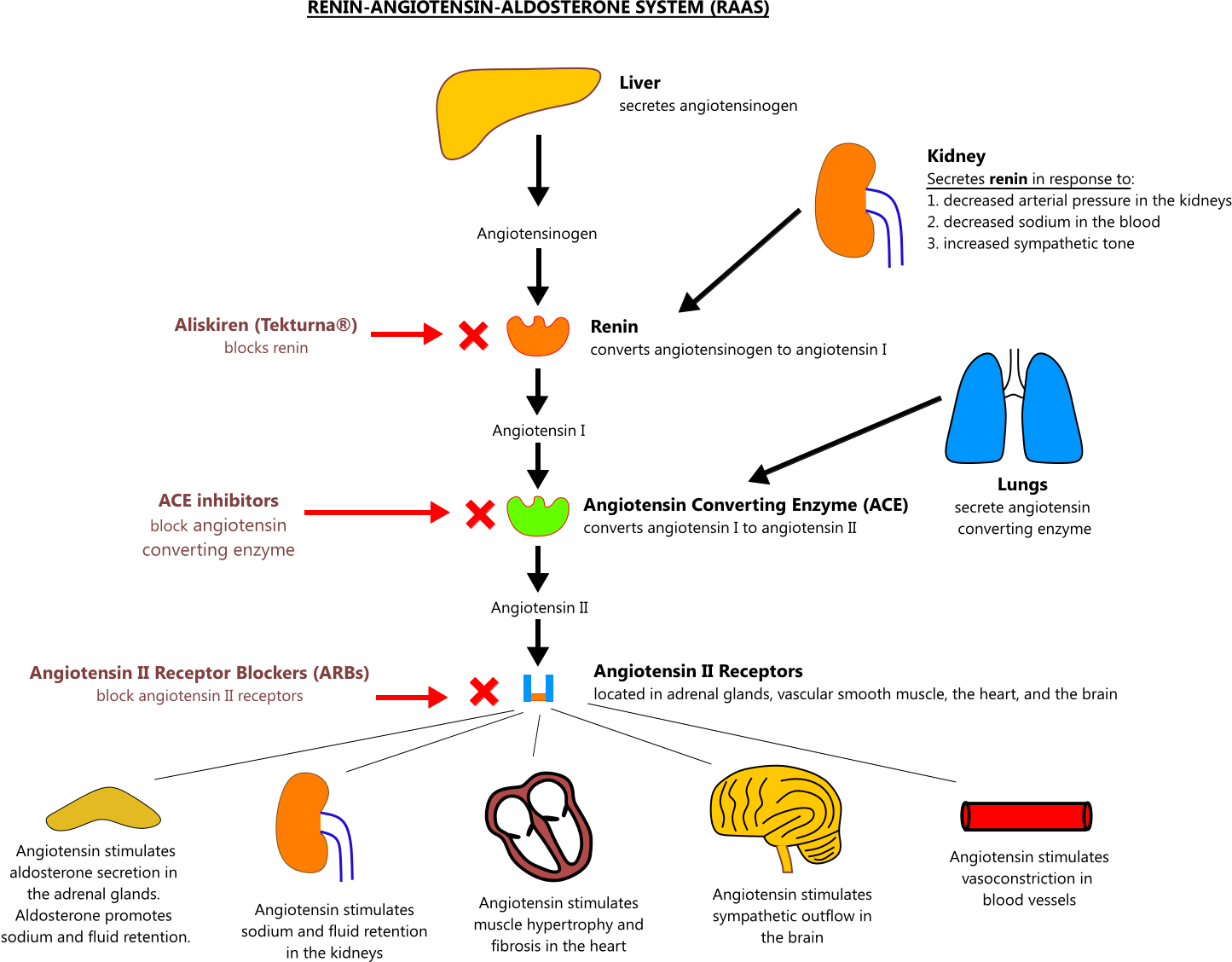
The ReninAngiotensinAldosterone System (RAAS)

Flowchart of the function of the reninangiotensin GrepMed

Reninangiotensinaldosterone system (RAAS) in CMD. The RAAS is

Raas System Flow Chart
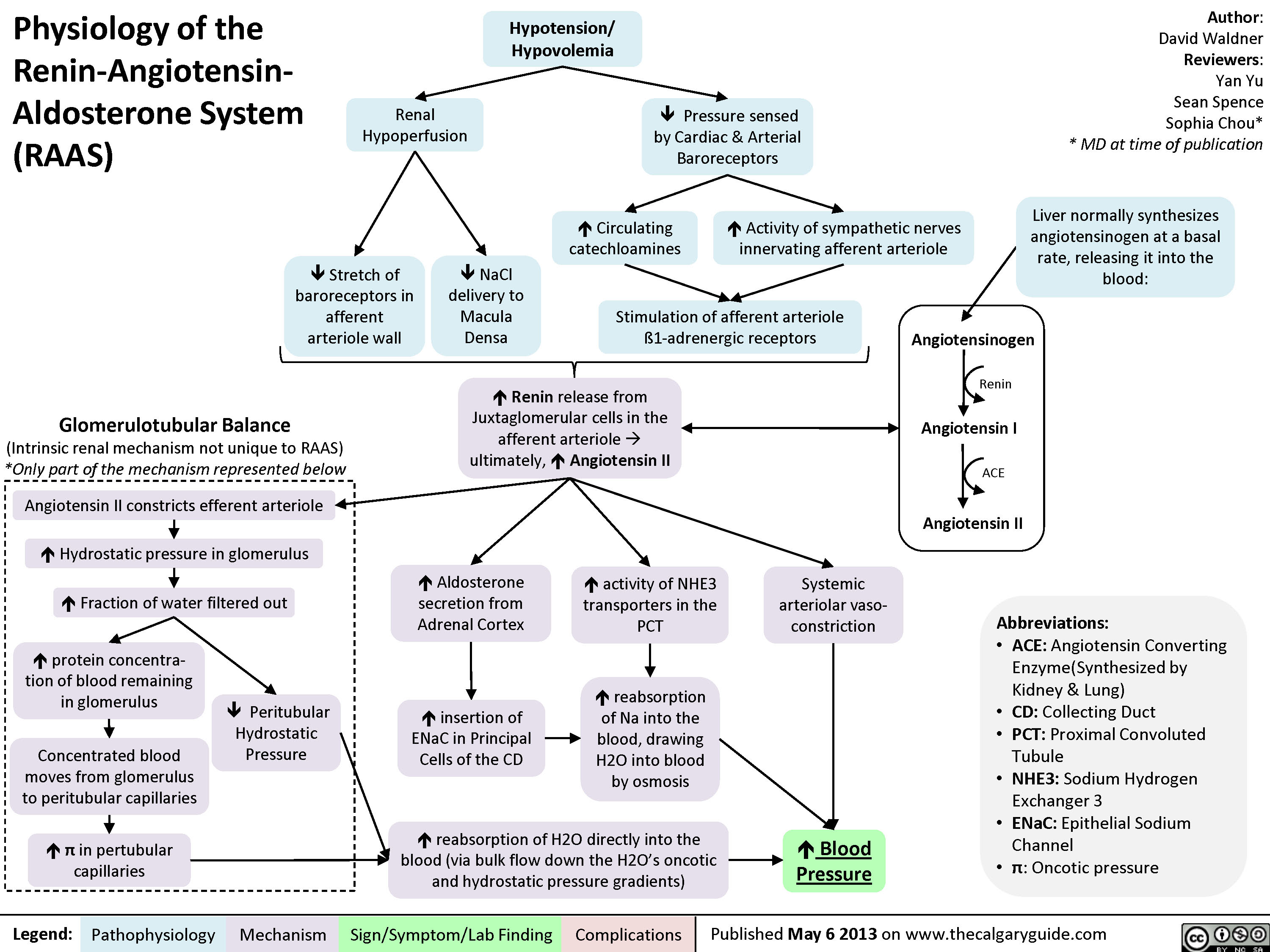
Physiology of the ReninAngiotensinAldosterone System (RAAS) Calgary
Web The Primary Stimulus For Increased Renin Secretion Is Decreased Blood Flow To The Kidneys, Which May Be Caused By Loss Of Sodium And Water (As A Result Of Diarrhea, Persistent Vomiting, Or Excessive Perspiration) Or By Narrowing Of A Renal Artery.
When Your Blood Pressure Falls, Your Kidneys Release The Enzyme Renin Into Your Bloodstream.
Activation Of The Raas System Occurs After Renin Release In The Kidneys That Catalyzes The Synthesis.
Gram Project Is A Medical Education Resource Website Containing Diagrams, Tables And Flowcharts For All Your Quick Referencing, Revision And Teaching Needs.
Related Post: