
Piccolo Finger Chart
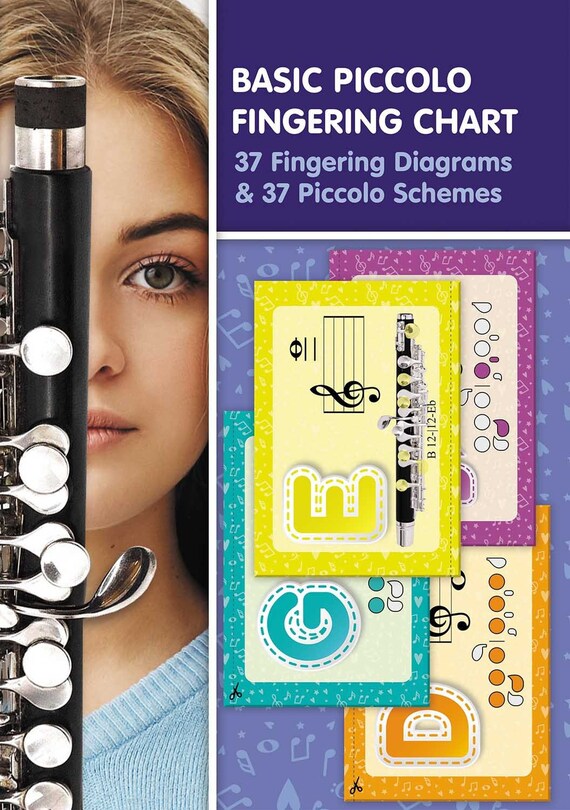
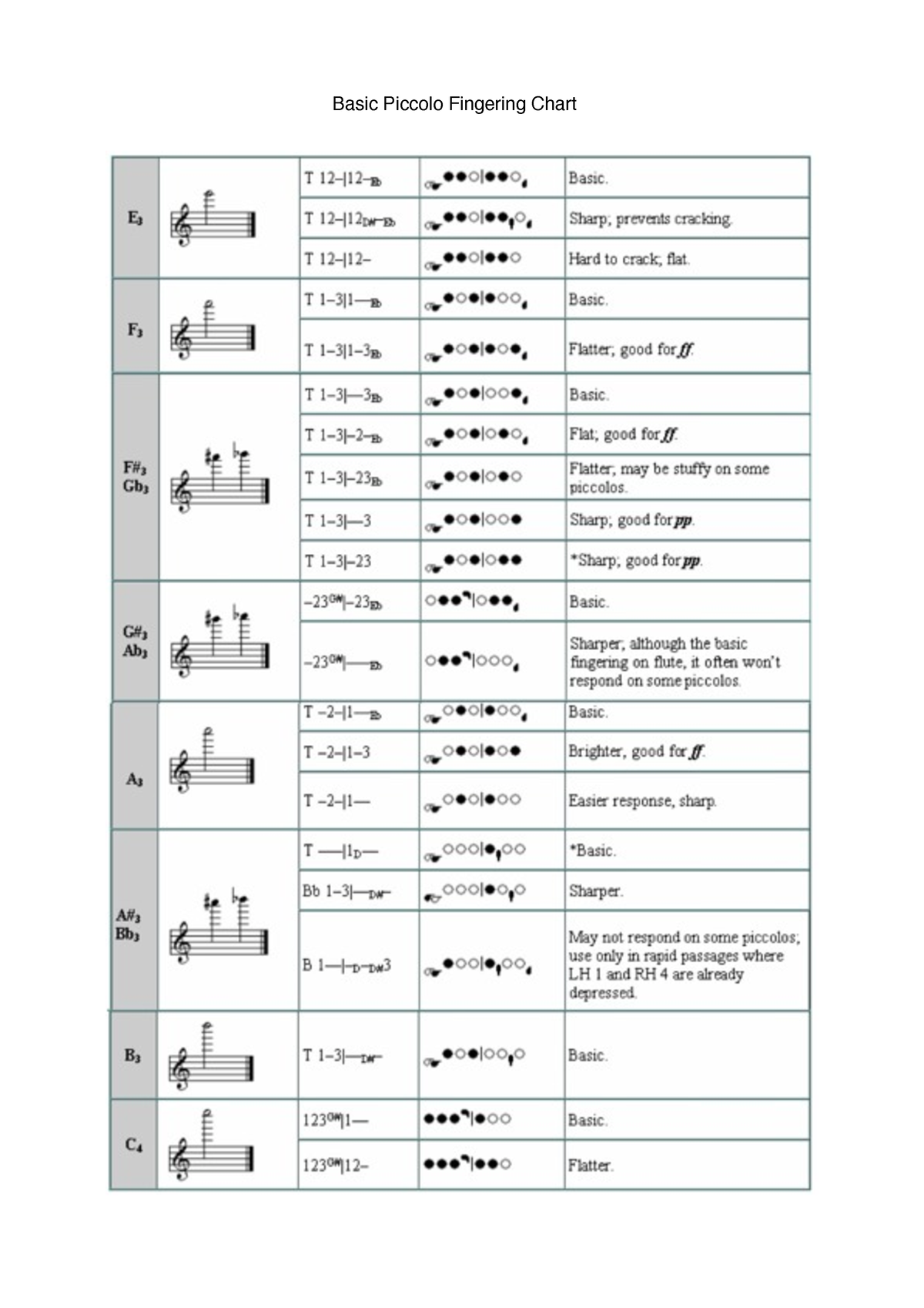
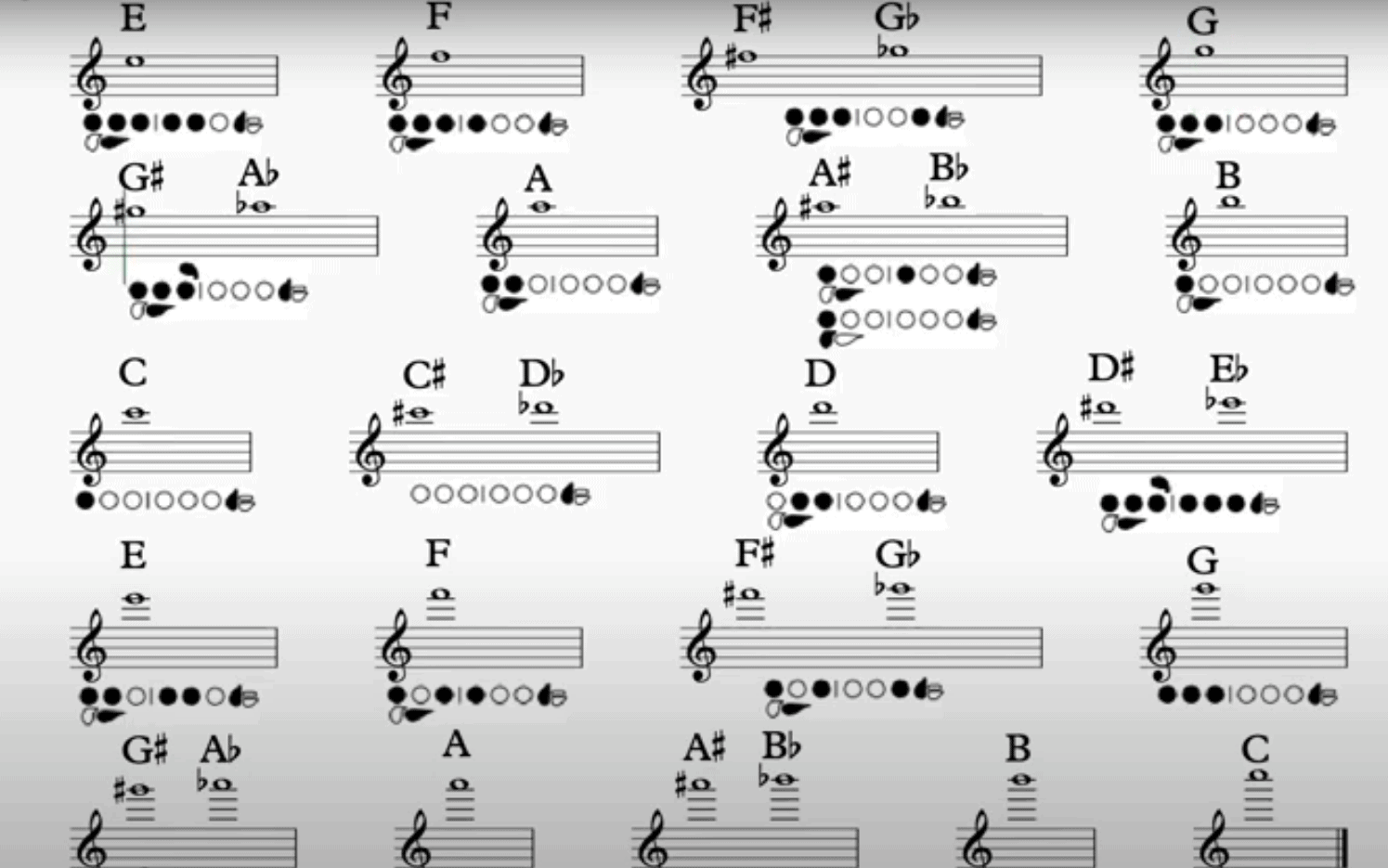
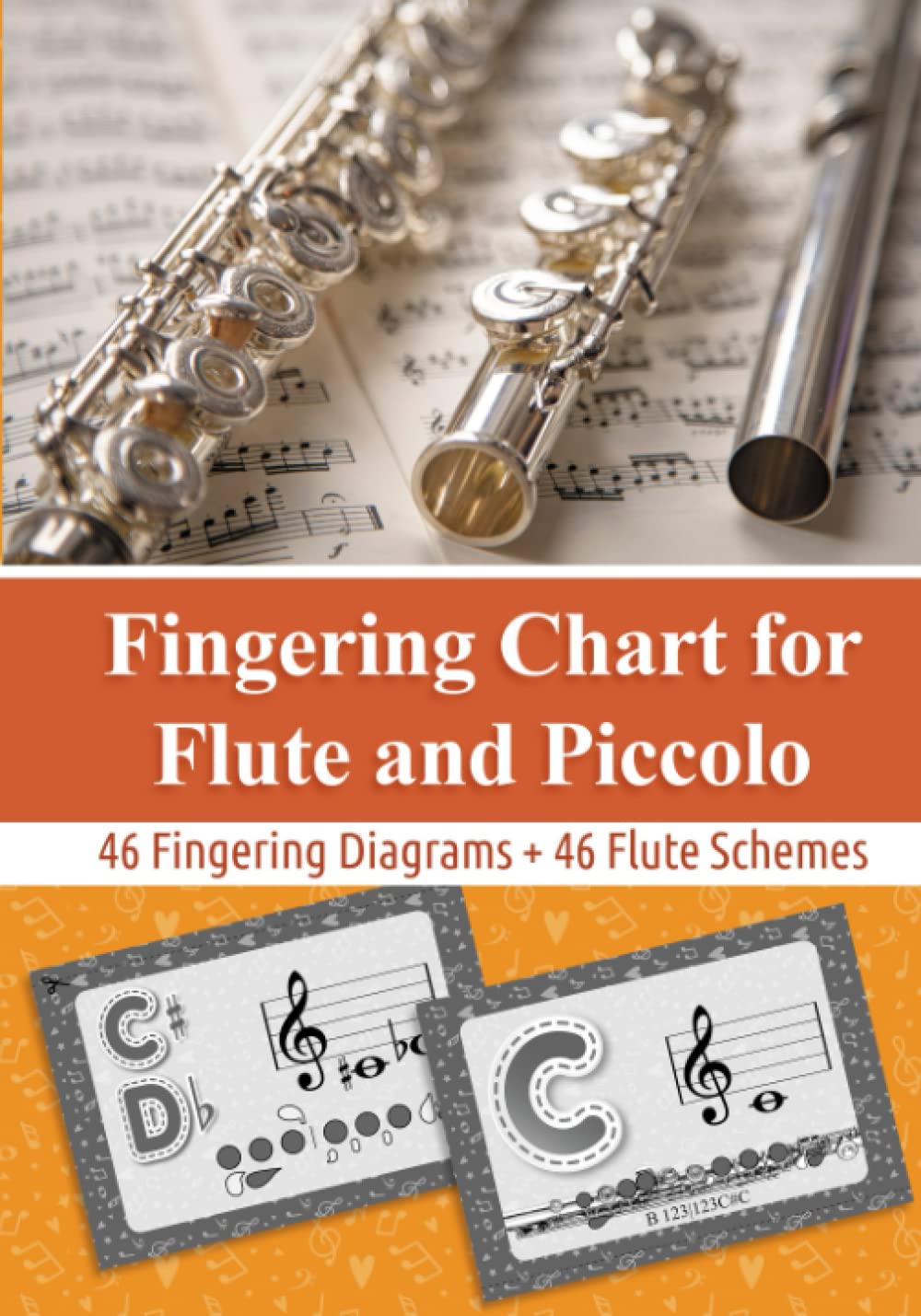
Piccolo Finger Chart - You can start by learning how to play the b, a, and g in the staff. But what are they, how do they work, and why are they so important on the piccolo but less so on the flute? This fingering chart includes trill fingerings, which are fingerings designed for rapid alternation between two notes at an interval of a minor second (semitone) or a major second (whole tone) apart. Web a modern guide to fingerings for the flute (james j. These include the fundamental pitches and common alternate fingerings for improved intonation. Some alternate fingerings are designed for fast passages, while others modify the tone, color, or pitch at normal and extreme dynamic levels. This fingering chart includes both basic fingerings and alternatives that are more appropriate in some passages. Santorella’s basic fingering charts are essential for anyone that picks up an instrument. Some alternate fingerings are designed for fast passages, while others modify the tone, color, or pitch at normal and extreme dynamic levels. Both instruments share many of the same fingerings, so you can use a beginner flute book, like the rubank elementary method. The low c# key is the outer right hand little finger. Web alternate fingering chart for piccolo. Both instruments share many of the same fingerings, so you can use a beginner flute book, like the rubank elementary method. Web every piccolo fingering chart displays the entire chromatic range of each instrument clearly depicting the fingering for each note including all enharmonic substitutions, as well as assorted alternate fingerings recommended. Web understanding the piccolo’s fingerings and keywork is essential for fluent and accurate playing: Web head to the piccolo fingering chart under “resources” for visual examples of how to play these notes. Web right hand little finger (pinky) keys. Using alternate fingerings can make certain passages easier or more enjoyable to play. These include the fundamental pitches and common alternate fingerings for improved intonation. Web basic piccolo fingering chart. Web trill fingering chart for flute and piccolo. The low c# key is the outer right hand little finger. But you can also experiment with a tuner to see what works with your instrument. This fingering chart includes both basic fingerings and alternatives that are more appropriate in some passages. Web alternate fingering chart for piccolo. Web when you’re ready to start learning notes on the piccolo, start with the same as those on the flute. Web fingering scheme for flute and piccolo. Using alternate fingerings can make certain passages easier or more enjoyable to play. Web many piccolo fingering charts include these alternate fingerings. This fingering chart includes trill fingerings, which are fingerings designed for. Using alternate fingerings can make certain passages easier or more enjoyable to play. The eb key is used for playing eb in any octave. These include the fundamental pitches and common alternate fingerings for improved intonation. Next to each note is the standard fingering and, when applicable, some common alternate fingerings. The low c and c# keys are not found. Web every piccolo fingering chart displays the entire chromatic range of each instrument clearly depicting the fingering for each note including all enharmonic substitutions, as well as assorted alternate fingerings recommended. Web understanding the piccolo’s fingerings and keywork is essential for fluent and accurate playing: Web when you’re ready to start learning notes on the piccolo, start with the same. It also serves as a vent in the majority of flute fingerings, and its use helps balance the flute. This fingering chart includes trill fingerings, which are fingerings designed for rapid alternation between two notes at an interval of a minor second (semitone) or a major second (whole tone) apart. Web alternate piccolo fingerings are a piccolo player’s best friend.. Web alternate piccolo fingerings are a piccolo player’s best friend. Web head to the piccolo fingering chart under “resources” for visual examples of how to play these notes. Web fingering scheme for flute and piccolo. You can start by learning how to play the b, a, and g in the staff. D 6 to b 6. Web fingering chart for the modern flute, alto flute and piccolo. Web many piccolo fingering charts include these alternate fingerings. Web basic fingering chart for piccolo and includes the circle of fifths and the major scales. Professional piccolo players use alternate fingerings on a regular basis. Web alternate fingering chart for piccolo. Web to finger a particular note, press the colored keys or levers in the drawing above the note. But you can also experiment with a tuner to see what works with your instrument. Web right hand little finger (pinky) keys. This fingering chart includes the written note for the piccolo (sounds an octave higher). Web basic fingering chart for piccolo. This fingering chart includes the written note for the piccolo (sounds an octave higher). Basic fingering chart flute and piccolo unitedmusical.com w w b b b & w w w w w w w w w w w w w w w #w w w #w w # # # # # # n b n b b b #. You can also remove the ring finger to get a slightly sharper pitch. Pellerite) · a very comprehensive fingering chart book that includes alternate, trill, tremolo, quarter tone, quarter tone trill, and multiphonic fingerings. Basic fingering chart flute and piccolo unitedmusical.com w w b b b & w w w w w w w w w w w w w. Both instruments share many of the same fingerings, so you can use a beginner flute book, like the rubank elementary method. But what are they, how do they work, and why are they so important on the piccolo but less so on the flute? Using alternate fingerings can make certain passages easier or more enjoyable to play. Web this page contains alternate fingerings for the piccolo and piccolo alternate fingerings. Web right hand little finger (pinky) keys. Web basic fingering chart for piccolo and includes the circle of fifths and the major scales. You should experiment with your instrument to find the fingerings that work best for you that will enable you to play in tune and with a good tone. Some alternate fingerings are designed for fast passages, while others modify the tone, color, or pitch at normal and extreme dynamic levels. This fingering chart includes trill fingerings, which are fingerings designed for rapid alternation between two notes at an interval of a minor second (semitone) or a major second (whole tone) apart. Web understanding the piccolo’s fingerings and keywork is essential for fluent and accurate playing: The fingering scheme below describes the text and key images used to represent fingerings in the fingering charts. But you can also experiment with a tuner to see what works with your instrument. Some alternate fingerings are designed for fast passages, while others modify the tone, color, or pitch at normal and extreme dynamic levels. It also serves as a vent in the majority of flute fingerings, and its use helps balance the flute. All online purchases greater than $200 (before tax) are eligible for free shipping within the us. The low c and c# keys are not found on the piccolo.
Piccolo Notes And Fingerings
Basic Piccolo Fingering Chart 37 Fingering Diagrams & 37 Etsy

Piccolo Finger Chart Pdf
Piccolofingeringchart Basic Piccolo Fingering Chart Alternate Piccolo
Piccolo vs Flute Fingering Guide Brass 'n Wind
First Octave Basic Fingering Chart For Flute and Piccolo The

Piccolo Fingering Chart Basic Piccolo Fingering Book Schmitt Music

Basic Instrumental Fingering Chart for Piccolo LintonMILANO Music
Flute/Piccolo Fingering Chart A Comprehensive Guide to Standard
Fingering Chart for Flute and Piccolo 46 Fingering Diagrams + 46 Flute
Web How To Use The Piccolo Fingering Chart.
Santorella’s Basic Fingering Charts Are Essential For Anyone That Picks Up An Instrument.
The Low C# Key Is The Outer Right Hand Little Finger.
You Can Also Remove The Ring Finger To Get A Slightly Sharper Pitch.
Related Post:

