
Phonological Process Chart
Phonological Process Chart - Web phonological processes (patterns) assimilation (consonant harmony) one sound becomes the same or similar to another sound in the word. Web phonological processing is the use of the sounds of one's language (i.e., phonemes) to process spoken and written language (wagner & torgesen, 1987).the broad category. Web phonological processes have been classified into three different types of categories: Web there are many different patterns of simplifications or phonological processes. As children stop using phonological processes, their speech becomes more. Web the chart below (from mommy speech therapy) outlines the different phonological processes, their definitions, examples of each, and the approximate age. Web a review of 16 major phonological processes. Language, speech, and hearing in schools; Web phonological processes are patterns of sound replacements that children use to simplify their speech. Web phonological processes and their speech sounds more like the adults around them. Web phonological processes are patterns of sound errors to simplify speech as typically developing children are learning how to speak. Substitution processes, syllable structure processes, and assimilation processes. Web part of the process of correcting phonology errors involves understanding the different phonological processes, or speech pattern simplifications, that children. Web phonological processes are patterns of sound errors that typically developing children use to simplify speech as they are learning to talk. Web selected phonological processes (patterns)*. As children stop using phonological processes, their speech becomes more. Web here are some common phonological processes that occur in children’s language development, along with brief explanations and the ages they typically resolve. Web phonological processes are the patterns that young children use to simplify adult speech. Web there are many different patterns of simplifications or phonological processes. When children are learning, they often need to simplify their speech until they develop the strength and coordination needed to produce many. Phonological disorders are when a. As children stop using phonological processes, their speech becomes more. Web below i’ve included a link to download my phonological processes chart which lists common phonological processes and an approximate age at which children. Web phonological processes are the patterns that young children use to simplify adult speech. Web phonological processes (patterns) assimilation (consonant harmony). Other examples might include /t/ being replaced by /d/, or /f/. Web phonological processes are patterns of sound replacements that children use to simplify their speech. Phonological processes are patterns of articulation that are. Web phonological processes (patterns) assimilation (consonant harmony) one sound becomes the same or similar to another sound in the word. Web the chart below (from mommy. All children use these processes while their speech and language are developing. Web there are many different patterns of simplifications or phonological processes. Web phonological processes are patterns of sound replacements that children use to simplify their speech. When children are learning, they often need to simplify their speech until they develop the strength and coordination needed to produce many.. Web voiceless sound is replaced by a voiced sound. Web phonological processes are patterns of sound errors that typically developing children use to simplify their speech as they are learning to talk. Web phonological processes and their speech sounds more like the adults around them. Web a review of 16 major phonological processes. Web part of the process of correcting. As children stop using phonological processes, their speech becomes more. Web phonological processes are the patterns that young children use to simplify adult speech. Web phonological processes are patterns of sound errors that typically developing children use to simplify speech as they are learning to talk. Assimilation (consonant harmony) one sound becomes the same or similar to another sound in. When children are learning, they often need to simplify their speech until they develop the strength and coordination needed to produce many. Sound changes where sounds or syllables become reduced, omitted, or repeated. A phonological disorder occurs when. Web phonological processes have been classified into three different types of categories: You can download my phonological processes chart (through the free. Web phonological processes are patterns of sound errors that typically developing children use to simplify their speech as they are learning to talk. Web all children make predictable pronunciation errors (not really 'errors' at all, when you stop to think about it) when they are learning to talk like adults. In these examples, /p/ is replaced by /b/, and /k/. Web voiceless sound is replaced by a voiced sound. Web all children make predictable pronunciation errors (not really 'errors' at all, when you stop to think about it) when they are learning to talk like adults. Web there are many different patterns of simplifications or phonological processes. When a child is young, he hears the speech sounds of the language. Web phonological processes and their speech sounds more like the adults around them. A phonological disorder occurs when. Web below i’ve included a link to download my phonological processes chart which lists common phonological processes and an approximate age at which children. Web here are some common phonological processes that occur in children’s language development, along with brief explanations and. Other examples might include /t/ being replaced by /d/, or /f/. Web here are some common phonological processes that occur in children’s language development, along with brief explanations and the ages they typically resolve. Web phonological processes and their speech sounds more like the adults around them. Sound changes where sounds or syllables become reduced, omitted, or repeated. Substitution processes,. Language, speech, and hearing in schools; Web the chart below (from mommy speech therapy) outlines the different phonological processes, their definitions, examples of each, and the approximate age. Web below i’ve included a link to download my phonological processes chart which lists common phonological processes and an approximate age at which children. Phonological disorders are when a. Web phonological processes and their speech sounds more like the adults around them. Web phonological processes have been classified into three different types of categories: Sound changes where sounds or syllables become reduced, omitted, or repeated. Other examples might include /t/ being replaced by /d/, or /f/. Substitution processes, syllable structure processes, and assimilation processes. Phonological processes are patterns of articulation that are. Web all children make predictable pronunciation errors (not really 'errors' at all, when you stop to think about it) when they are learning to talk like adults. When children are learning, they often need to simplify their speech until they develop the strength and coordination needed to produce many. Web voiceless sound is replaced by a voiced sound. A phonological disorder occurs when. Web part of the process of correcting phonology errors involves understanding the different phonological processes, or speech pattern simplifications, that children. Web selected phonological processes (patterns)*.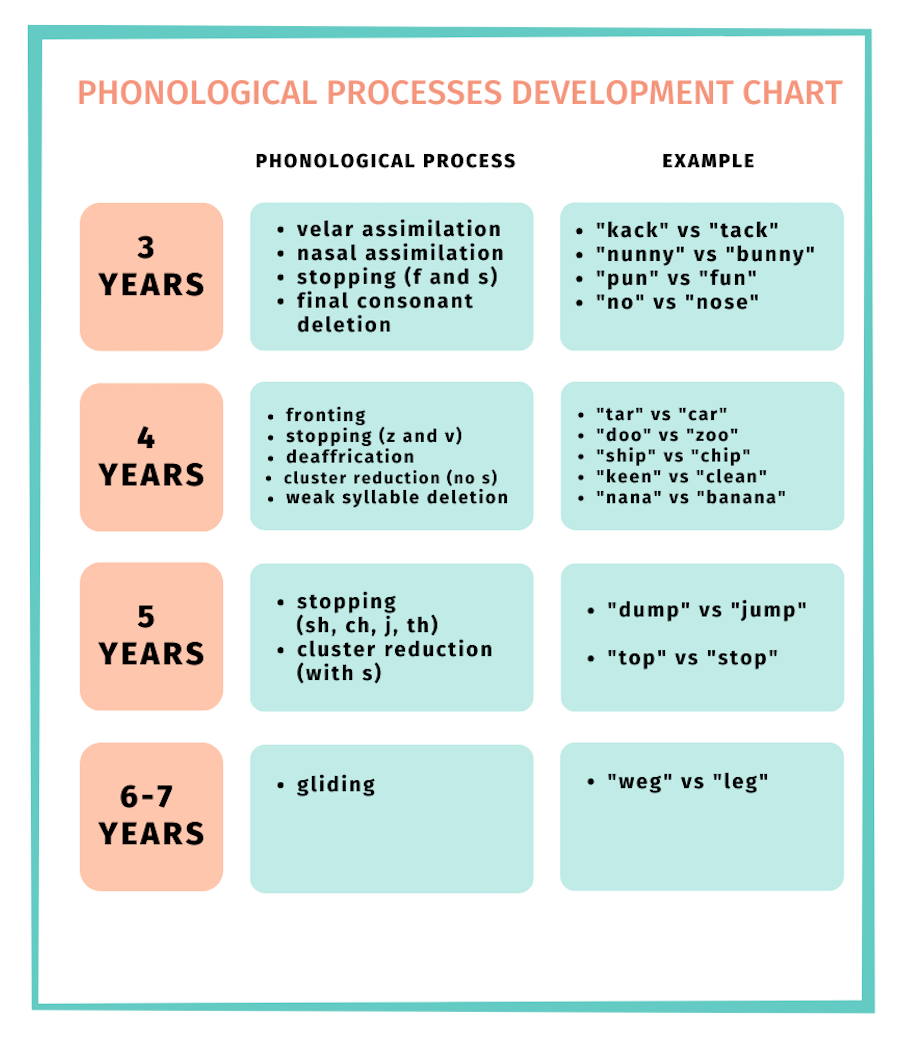
Therapy Speech Sound Disorders
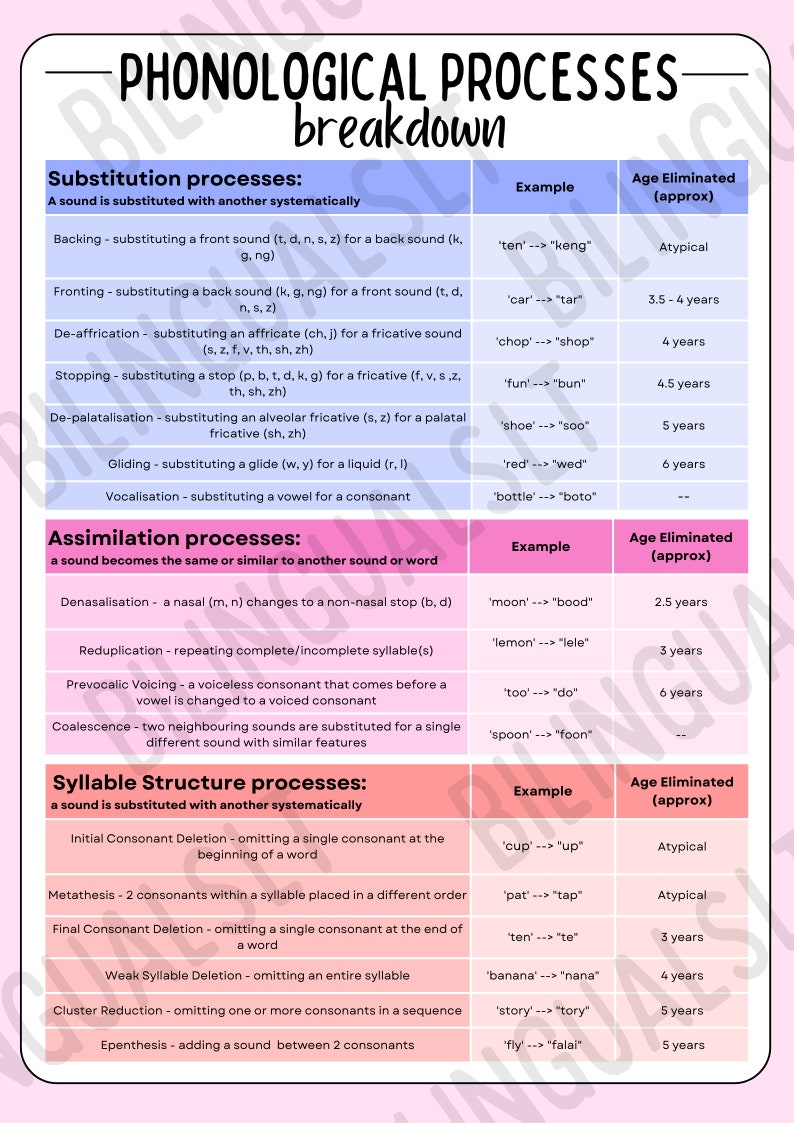
Phonological Process Chart Phonological Processes Pho vrogue.co

Phonological disorder Artofit

SUMMARY OF PHONOLOGICAL SIMPLIFYING PROCESSES SLT info

The Best Handout for Phonological Processing Disorder Therapy Speech

Phonological Processes Phonological processes, Phonology
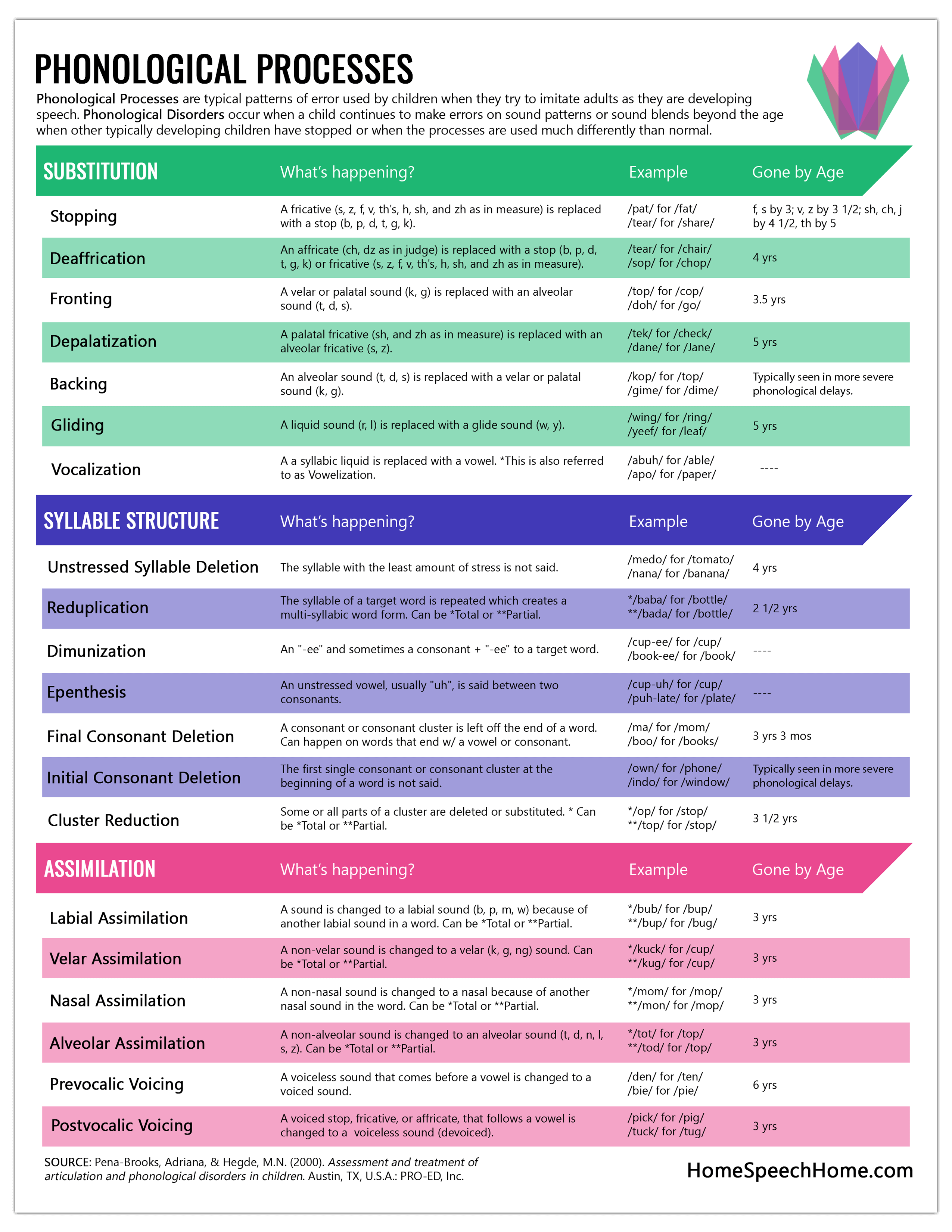
Phonological Process Chart Phonological Processes Pho vrogue.co
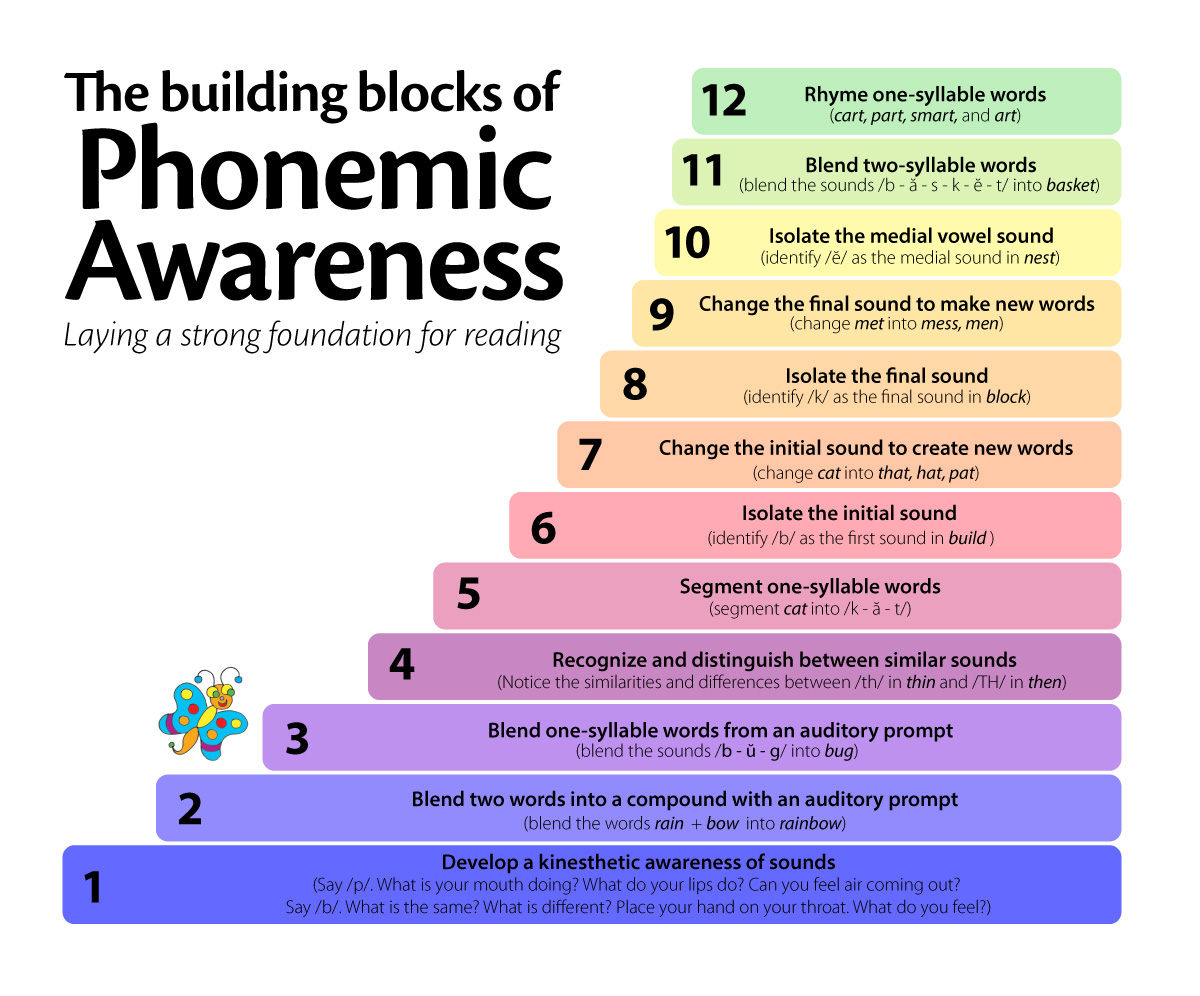
Literacy Minute Sequential Phonics for Struggling Readers

Understanding phonological chart YouTube
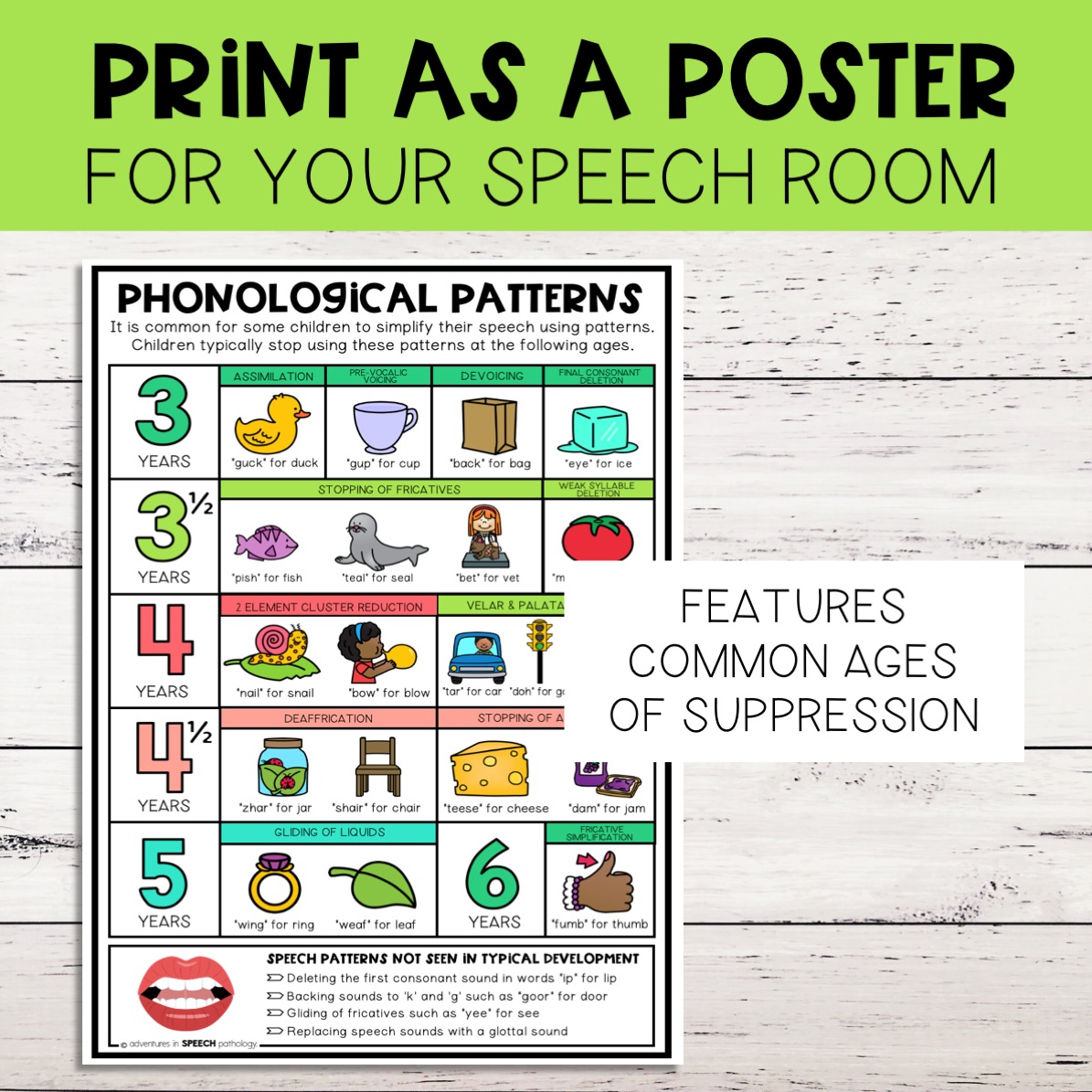
Phonological Pattern Chart for Speech Therapy Adventures in Speech
As Children Stop Using Phonological Processes, Their Speech Becomes More.
Web Phonological Processes Are The Patterns That Young Children Use To Simplify Adult Speech.
Assimilation (Consonant Harmony) One Sound Becomes The Same Or Similar To Another Sound In The Word.
In These Examples, /P/ Is Replaced By /B/, And /K/ Is Replaced By / /.
Related Post: