
Microgreens Nutrition Chart
Microgreens Nutrition Chart - Web microgreens are tiny plants, typically harvested within two weeks of germination, that pack a powerful nutritional punch. Microgreens are also versatile in their uses and can be eaten with or on just about anything, making them the perfect addition to any salad, soup, or sandwich. This complete nutrition chart showcases the nutrients found in some of the most popular microgreens varieties. By sarah december 14, 2023. Scientific research now proves that these tiny seedlings harvested and eaten. Microgreens nutrition is a powerhouse often underestimated in size but not in impact. Ever wondered what makes those tiny greens on your plate so special? This website does not provide medical or nutritional advice. A single serving of microgreens can provide grams of fiber, protein, and a variety of vitamins and minerals. Web if you’re interested in incorporating microgreens into your diet, there are many resources available online, including nutrition charts and recipes. Web notable nutrients in microgreens include iron, selenium, and manganese, among others. They are also packed with antioxidants such as sulforaphane, polyphenols, and lutein. Microgreens are also versatile in their uses and can be eaten with or on just about anything, making them the perfect addition to any salad, soup, or sandwich. Nutrients vary by plant but most include large amounts of vitamins c and e and beta carotene. A single serving of microgreens can provide grams of fiber, protein, and a variety of vitamins and minerals. Web health and wellness. How does radish microgreen nutrition compare to mature vegetables? Web by providing a breakdown of the nutritional content of various microgreens, this chart can help you make informed decisions about what to include in your diet. Despite their miniature size, microgreens contain significantly higher amounts of nutrients compared. Web compared to radish bulbs, radish microgreens are richer in nutrients, including vitamins, minerals, protein, enzymes, and antioxidants. Thiamine, niacin, calcium, potassium, iron, manganese, zinc, and copper, and a good source of vitamins a and c and folate. Broccoli microgreen carbs are about 7 gm per 100 g fw of produce. Web health and wellness. This complete nutrition chart showcases the nutrients found in some of the most popular microgreens varieties. 16% protein, rich in lysine; Web health and wellness. A single serving of microgreens can provide grams of fiber, protein, and a variety of vitamins and minerals. Here's an overview of the nutritional value and health benefits of microgreens. If you buy through links on this page, we may earn a small commission. It is packed with vitamins a, b, c, and k and a. They are just rich in calcium (25.40%), iron (20%), potassium (10.24%), and manganese (40%). Web according to the united states department of agriculture (usda), broccoli microgreens calories are about 31 calories per 100 g of fresh weight (fw). K (325%), c (103.78%), a (26.78%), b2 (26.69%), b6 (11.31%), and b9 (15.50%). Web compared to radish bulbs, radish microgreens are richer. Web nutritional benefits of microgreens. Web compared to radish bulbs, radish microgreens are richer in nutrients, including vitamins, minerals, protein, enzymes, and antioxidants. The nutritional benefits of each type of microgreen depend on the plant. This website does not provide medical or nutritional advice. Whether you’re looking to improve your immune system, boost your energy, or just eat healthier, microgreens. Broccoli microgreen carbs are about 7 gm per 100 g fw of produce. Web compared to radish bulbs, radish microgreens are richer in nutrients, including vitamins, minerals, protein, enzymes, and antioxidants. They are just rich in calcium (25.40%), iron (20%), potassium (10.24%), and manganese (40%). In addition, they provide lutein, zeaxanthin (104.33%), moderate fiber (10.79%), and all 9 essential amino.. They are also packed with antioxidants such as sulforaphane, polyphenols, and lutein. Despite their miniature size, microgreens contain significantly higher amounts of nutrients compared. Microgreens nutrition is a powerhouse often underestimated in size but not in impact. Web according to the united states department of agriculture (usda), broccoli microgreens calories are about 31 calories per 100 g of fresh weight. It has the most complete nutrient profile of any vegetable. K (325%), c (103.78%), a (26.78%), b2 (26.69%), b6 (11.31%), and b9 (15.50%). Nutrients vary by plant but most include large amounts of vitamins c and e and beta carotene. Ever wondered what makes those tiny greens on your plate so special? In this article, we’ll explore the benefits of. They are also packed with antioxidants such as sulforaphane, polyphenols, and lutein. Web nutritional benefits of microgreens. K (325%), c (103.78%), a (26.78%), b2 (26.69%), b6 (11.31%), and b9 (15.50%). Flavonoids are an important contributor to pea shoot nutrition. How does radish microgreen nutrition compare to mature vegetables? Health benefits and nutrition facts. A single serving of microgreens can provide grams of fiber, protein, and a variety of vitamins and minerals. Microgreens are perfect toppers to your meals and will add, but not replace, nutritional value. But research shows that microgreens may contain 4 to 40 times the nutrients of mature plant leaves. To analyze the concentration of. Web notable nutrients in microgreens include iron, selenium, and manganese, among others. Web with a printable microgreens nutrition chart, you can easily track the vitamins and minerals in each type of microgreen. Broccoli microgreens contain more than 550% of the rda of antioxidant nutrients you need. Broccoli microgreens protein is about 2.3 g per 100 g fw. It has the. Nutrients vary by plant but most include large amounts of vitamins c and e and beta carotene. Web kale microgreens are astoundingly teeming with vitamins: Thiamine, niacin, calcium, potassium, iron, manganese, zinc, and copper, and a good source of vitamins a and c and folate. The nutritional benefits of each type of microgreen depend on the plant. K (325%), c (103.78%), a (26.78%), b2 (26.69%), b6 (11.31%), and b9 (15.50%). Microgreens are also versatile in their uses and can be eaten with or on just about anything, making them the perfect addition to any salad, soup, or sandwich. Despite their miniature size, microgreens contain significantly higher amounts of nutrients compared. Ever wondered what makes those tiny greens on your plate so special? Web usda researchers recently published a study assessing the nutrition content of 25 commercially available microgreens, seedlings of vegetables and herbs that have gained popularity in upscale markets and restaurants. We include products we think are useful for our readers. Let’s look closer at the vitamins, minerals, and antioxidants in. Web microgreens are tiny plants, typically harvested within two weeks of germination, that pack a powerful nutritional punch. Web in this article we’ll take a look at the 14 most nutritious microgreens. Here's an overview of the nutritional value and health benefits of microgreens. Web if you’re interested in incorporating microgreens into your diet, there are many resources available online, including nutrition charts and recipes. This website does not provide medical or nutritional advice.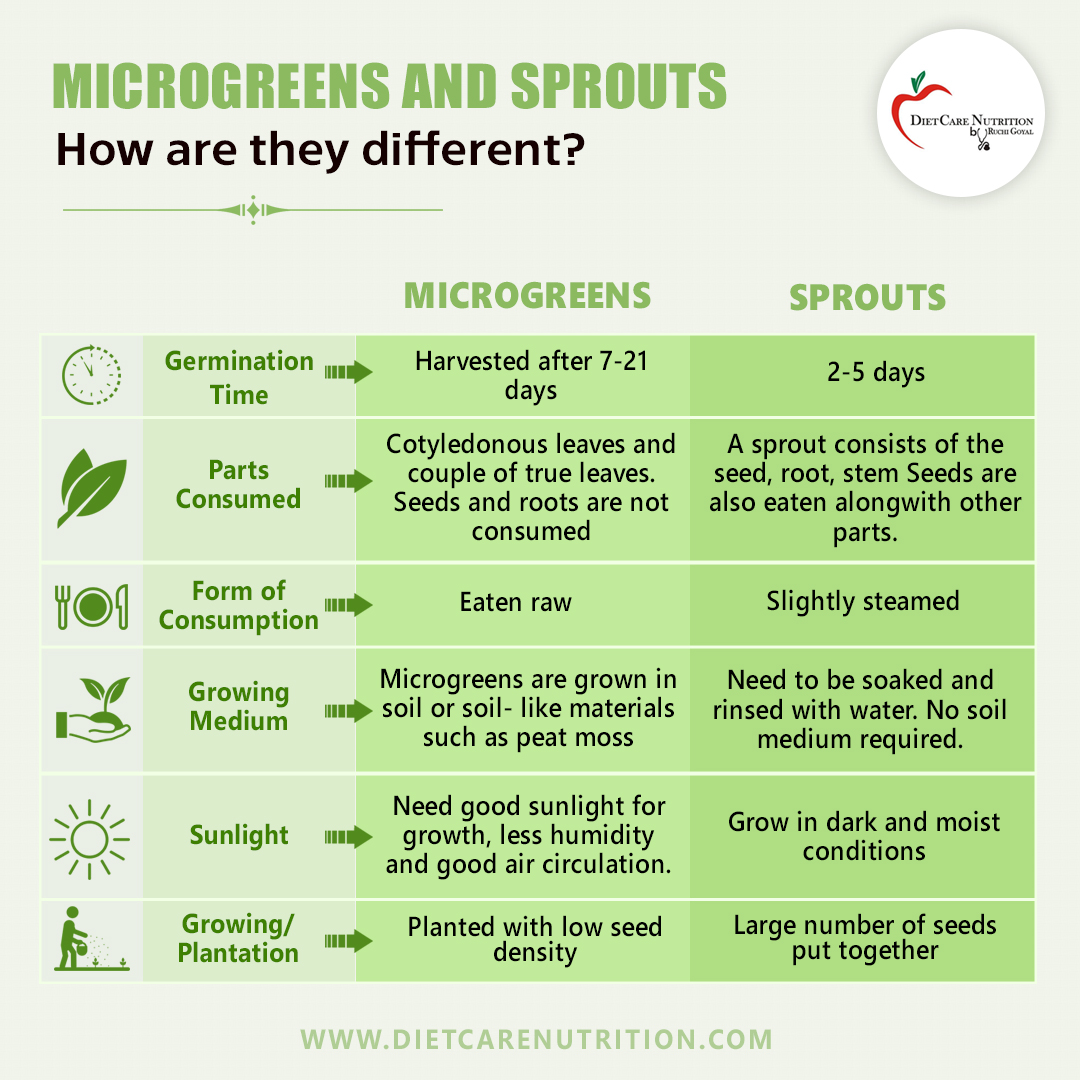
Microgreens The Nutritional Power Bombs

Printable Microgreens Nutrition Chart

Printable Microgreens Nutrition Chart
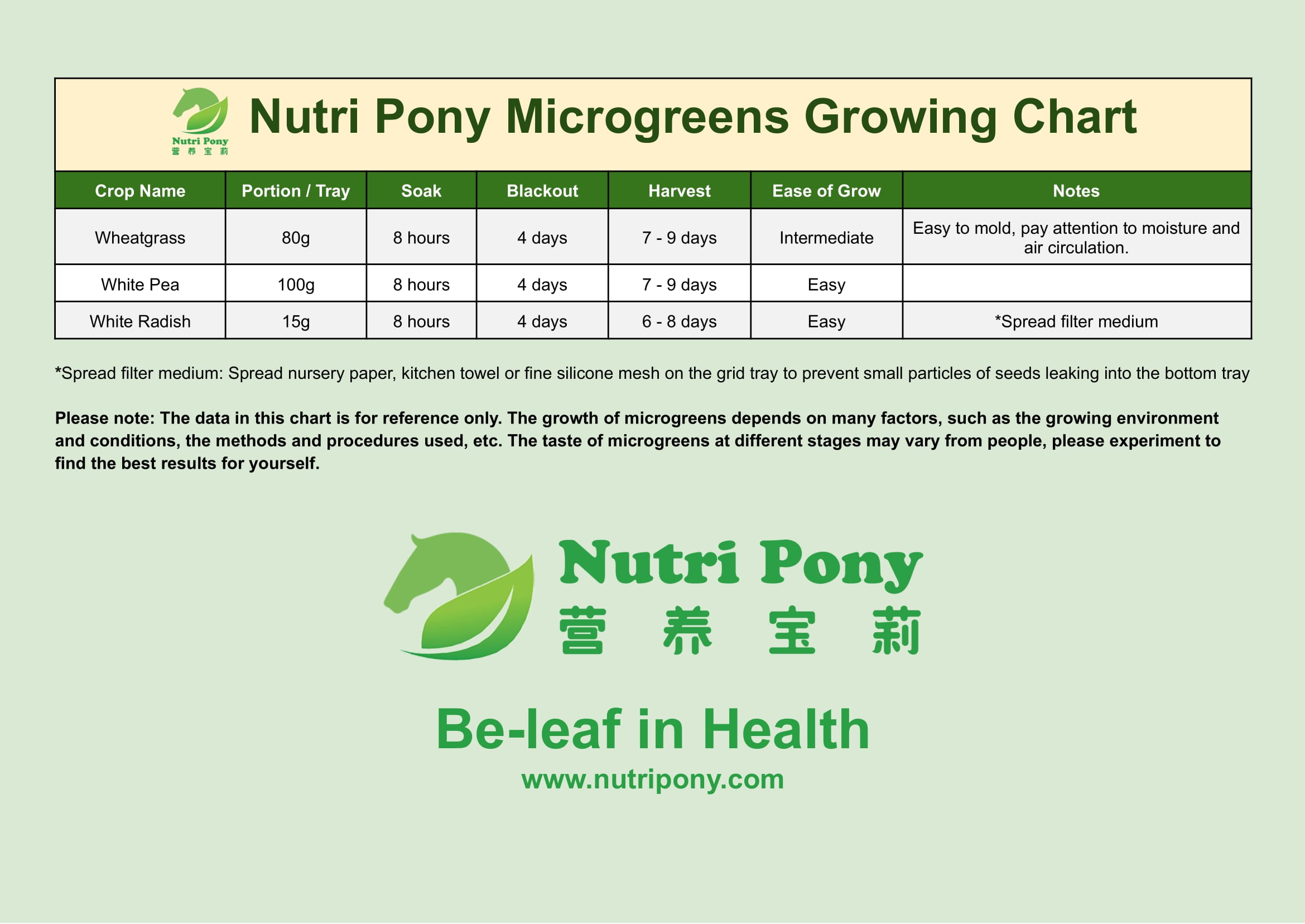
Printable Microgreens Nutrition Chart Customize and Print
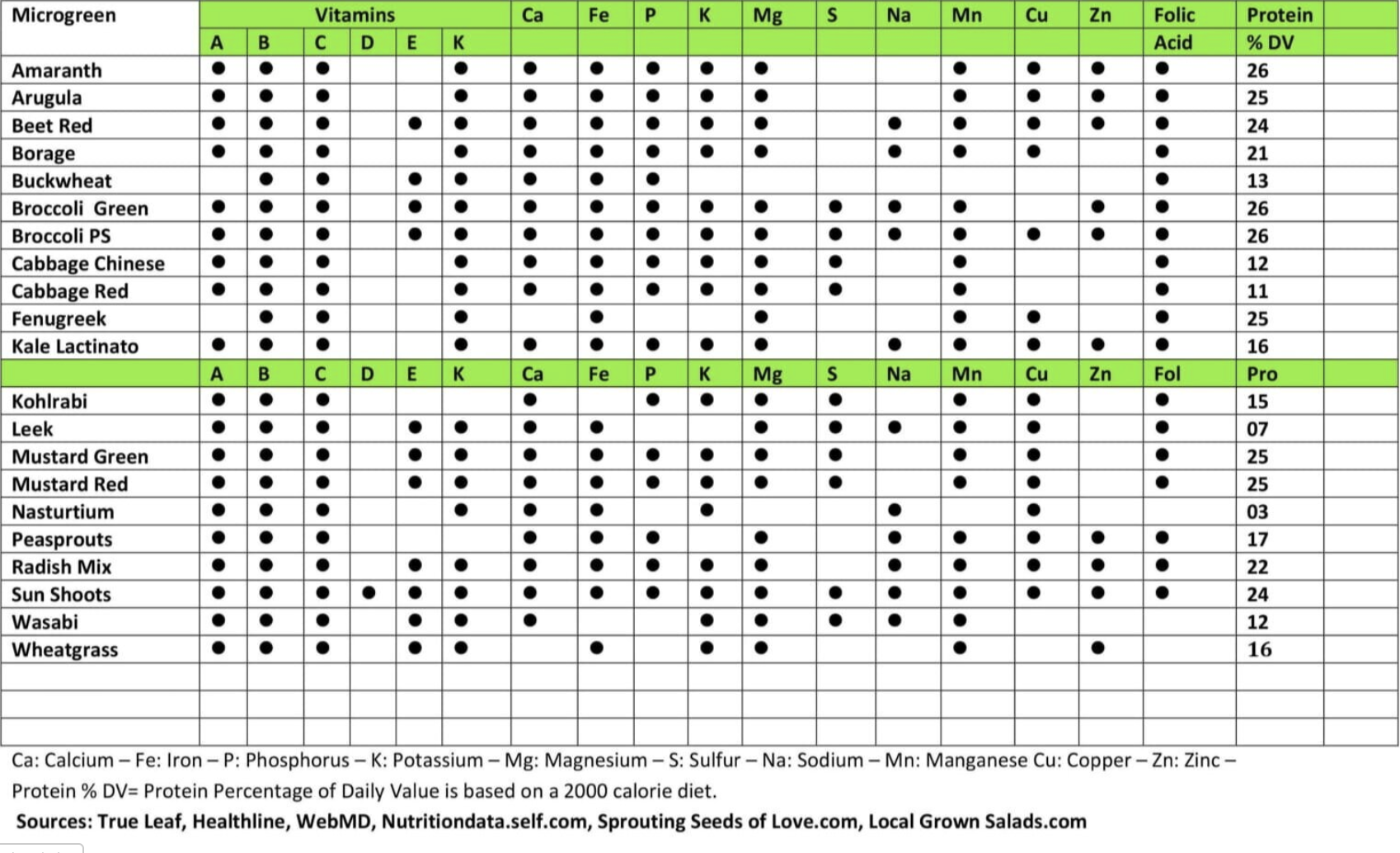
Printable Microgreens Nutrition Chart

Printable Microgreens Nutrition Chart
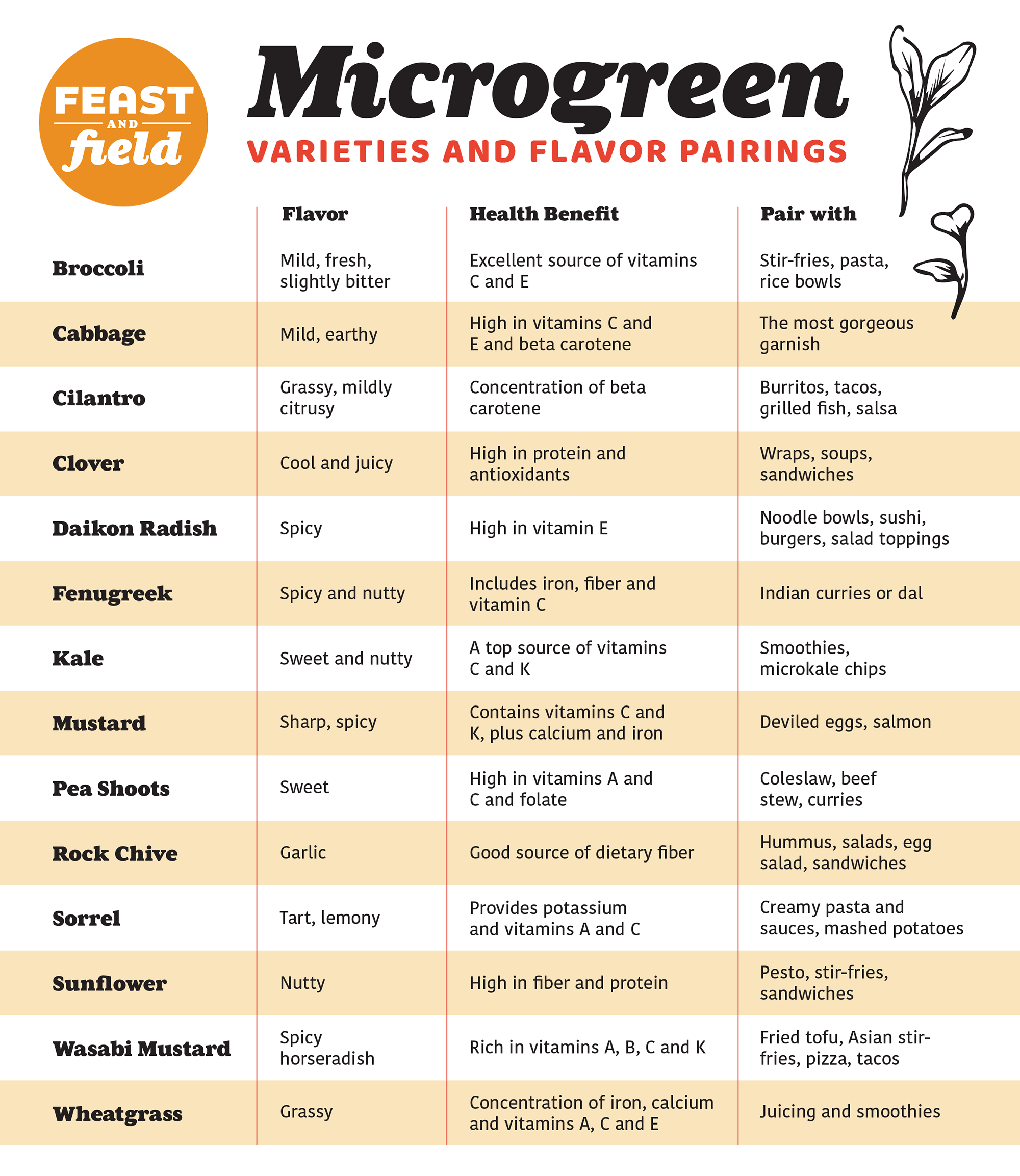
Printable Microgreens Nutrition Chart
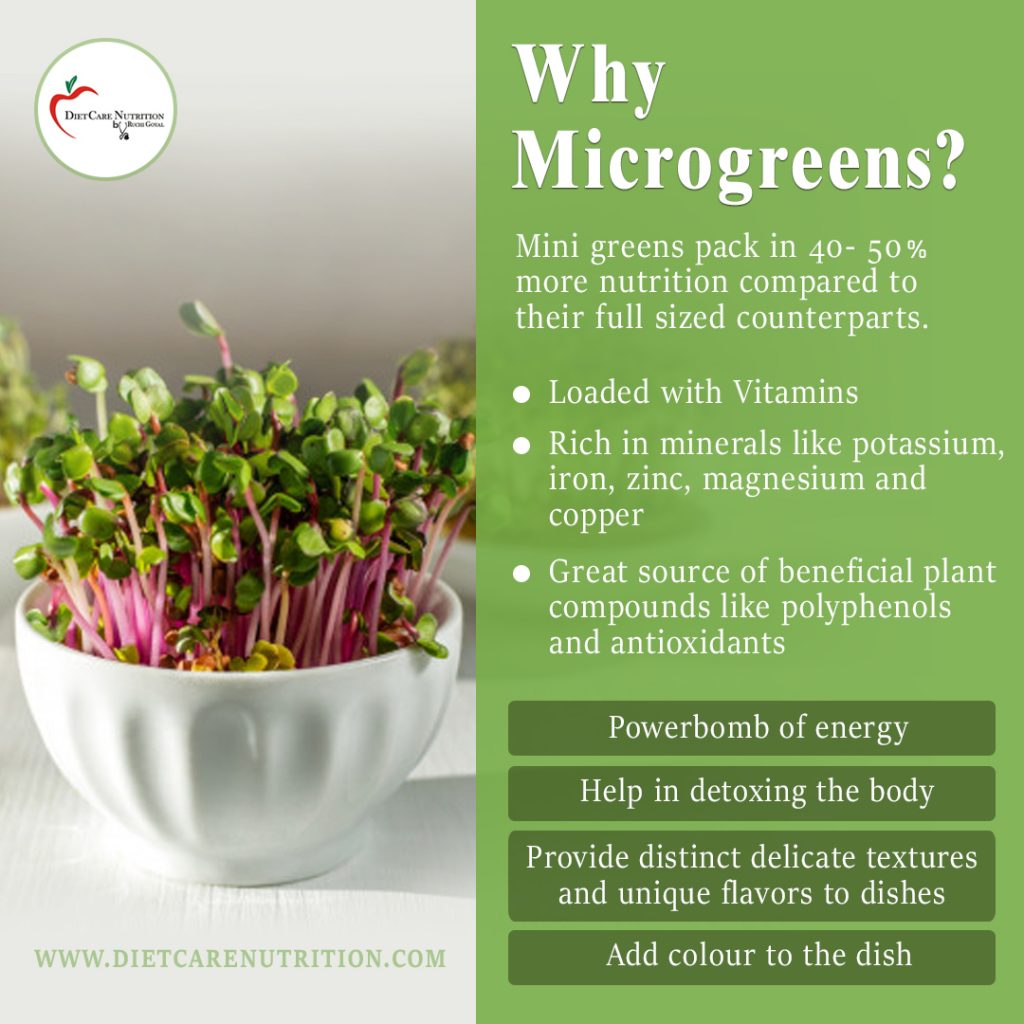
Microgreens The Nutritional Power Bombs

Printable Microgreens Nutrition Chart

What Exactly Are Microgreens? (& Why Grow Them) Grow Hot Peppers
But Research Shows That Microgreens May Contain 4 To 40 Times The Nutrients Of Mature Plant Leaves.
It Has The Most Complete Nutrient Profile Of Any Vegetable.
Web Health And Wellness.
Flavonoids Are An Important Contributor To Pea Shoot Nutrition.
Related Post: