
Hip Trigger Points Chart
Hip Trigger Points Chart - Web areas of tight muscle fibers, called trigger points, form in muscles. Ø tenderness, knots, and tight bands in muscle. Myofascial pain syndrome, caused by pressure on trigger points, can result in pain in muscles and other body parts. Web trigger points are discrete, focal, hyperirritable spots located in a taut band of skeletal muscle. Web in this video, stuart hinds demonstrates his trigger point therapy technique for treating the hip adductors. Web in summary, hip trigger points can be caused by a variety of factors, including injury, poor posture, lack of exercise, stress, and anxiety. Familiarize yourself with trigger points. Web trigger point map of the hip, lower back, groin, buttock and thigh for targeted treatment and rehabilitation Too much use of the muscles, most often with poor form, injury to the muscle and mental stress likely help cause trigger points. I made this trigger point map to get right to the point (pun!) by providing some direction with self myofascial release (smr). Web characteristics of a trigger point: Web as shown in the diagram below, only one trigger point is found in the tfl and it is located in the upper region of the muscle just below where it attaches to the a.s.i.s. Ø tenderness, knots, and tight bands in muscle. Hip abduction indicating adductor magnushyper tonicity. Too much use of the muscles, most often with poor form, injury to the muscle and mental stress likely help cause trigger points. Direct compression or muscle contraction can elicit jump sign, local tenderness, local twitch response and referred pain which usually responds with a pain pattern distant from the spot [1] [2] [3] [4]. Understanding the underlying causes of your trigger points can help you develop a treatment plan that addresses the root cause of your pain. The lateral trigger point lies a few inches to the inside of the greater trochanter landmark, along the piriformis line. Web the best way to determine which trigger points contribute to your pain is by looking at a trigger point chart to find which muscles are the source of your pain. Web what is myofascial pain syndrome? Ø tenderness, knots, and tight bands in muscle. I made this trigger point map to get right to the point (pun!) by providing some direction with self myofascial release (smr). Myofascial pain syndrome trigger points chart. Myofascial pain syndrome, caused by pressure on trigger points, can result in pain in muscles and other body parts. Myofascial pain syndrome (mps) is. Utilize the chart to familiarize yourself with the locations of trigger points across various muscles in the body. Web as shown in the diagram below, only one trigger point is found in the tfl and it is located in the upper region of the muscle just below where it attaches to the a.s.i.s. The medial trigger point lies an inch. Web trigger points can cause hip pain and are often overlooked as a cause of chronic hip pain. If you stay hunched over after standing up to prevent back and hip pain, the iliopsoas muscles should be examined for trigger points. Familiarize yourself with trigger points. Web areas of tight muscle fibers, called trigger points, form in muscles. The spots. Web an extremely detailed guide to the unfinished science of muscle pain, with reviews of every theory and treatment option. In myofascial pain syndrome, something such as muscle tightness sets off trigger points in the muscles. The lateral trigger point lies a few inches to the inside of the greater trochanter landmark, along the piriformis line. Web a trigger point. Web an extremely detailed guide to the unfinished science of muscle pain, with reviews of every theory and treatment option. In this article we’ll cover where this muscle is located, its action, and how to address active trigger points. Web a trigger point (trp) is a hyperirritable spot, a palpable nodule in the taut bands of the skeletal muscles' fascia.. Abductor digiti minimi (foot) abductor digiti minimi (hand) abductor hallucis. Web trigger points are discrete, focal, hyperirritable spots located in a taut band of skeletal muscle. Web trigger point map of the hip, lower back, groin, buttock and thigh for targeted treatment and rehabilitation Hip trigger point symptoms include deep, aching pain, tender knots in muscles, and difficulty sleeping. Myofascial. Understanding the underlying causes of your trigger points can help you develop a treatment plan that addresses the root cause of your pain. Web the piriformis may contain two trigger points, as detailed in diagram below. I made this trigger point map to get right to the point (pun!) by providing some direction with self myofascial release (smr). In myofascial. The spots are painful on compression and can produce referred pain, referred tenderness,. In myofascial pain syndrome, something such as muscle tightness sets off trigger points in the muscles. Web a trigger point (trp) is a hyperirritable spot, a palpable nodule in the taut bands of the skeletal muscles' fascia. Web this muscle group can contain up to four trigger. Understanding the underlying causes of your trigger points can help you develop a treatment plan that addresses the root cause of your pain. Web the exact number and precise location can vary among individuals, but typically, the trigger points in the piriformis muscle are found in the following areas: Web how does it work? Trigger points (trps) or muscle “knots”. Download our printable trigger point chart from our platform. Myofascial pain syndrome (mps) is a chronic pain disorder of too many trigger points. Ø tenderness, knots, and tight bands in muscle. Hip trigger point symptoms include deep, aching pain, tender knots in muscles, and difficulty sleeping. Web in this video, stuart hinds demonstrates his trigger point therapy technique for treating. Web this muscle group can contain up to four trigger points that refer pain to the low back, groin, hip, and gluteal regions. Hip abduction indicating adductor magnushyper tonicity. Web as shown in the diagram below, only one trigger point is found in the tfl and it is located in the upper region of the muscle just below where it attaches to the a.s.i.s. Web the piriformis may contain two trigger points, as detailed in diagram below. Myofascial pain syndrome, caused by pressure on trigger points, can result in pain in muscles and other body parts. Web one of the most common causes is glute medius trigger points. Web the best way to determine which trigger points contribute to your pain is by looking at a trigger point chart to find which muscles are the source of your pain. Web how does it work? Web areas of tight muscle fibers, called trigger points, form in muscles. In this article we’ll cover where this muscle is located, its action, and how to address active trigger points. This powerful muscle is located deep to the big boss gluteus maximus next to the undercover agent, gluteus minimus. Utilize the chart to familiarize yourself with the locations of trigger points across various muscles in the body. Ø tenderness, knots, and tight bands in muscle. If you stay hunched over after standing up to prevent back and hip pain, the iliopsoas muscles should be examined for trigger points. Web what is myofascial pain syndrome? Indications include deep pain/tenderness in the medial thigh, hip/leg stiffness on abduction and groin strain.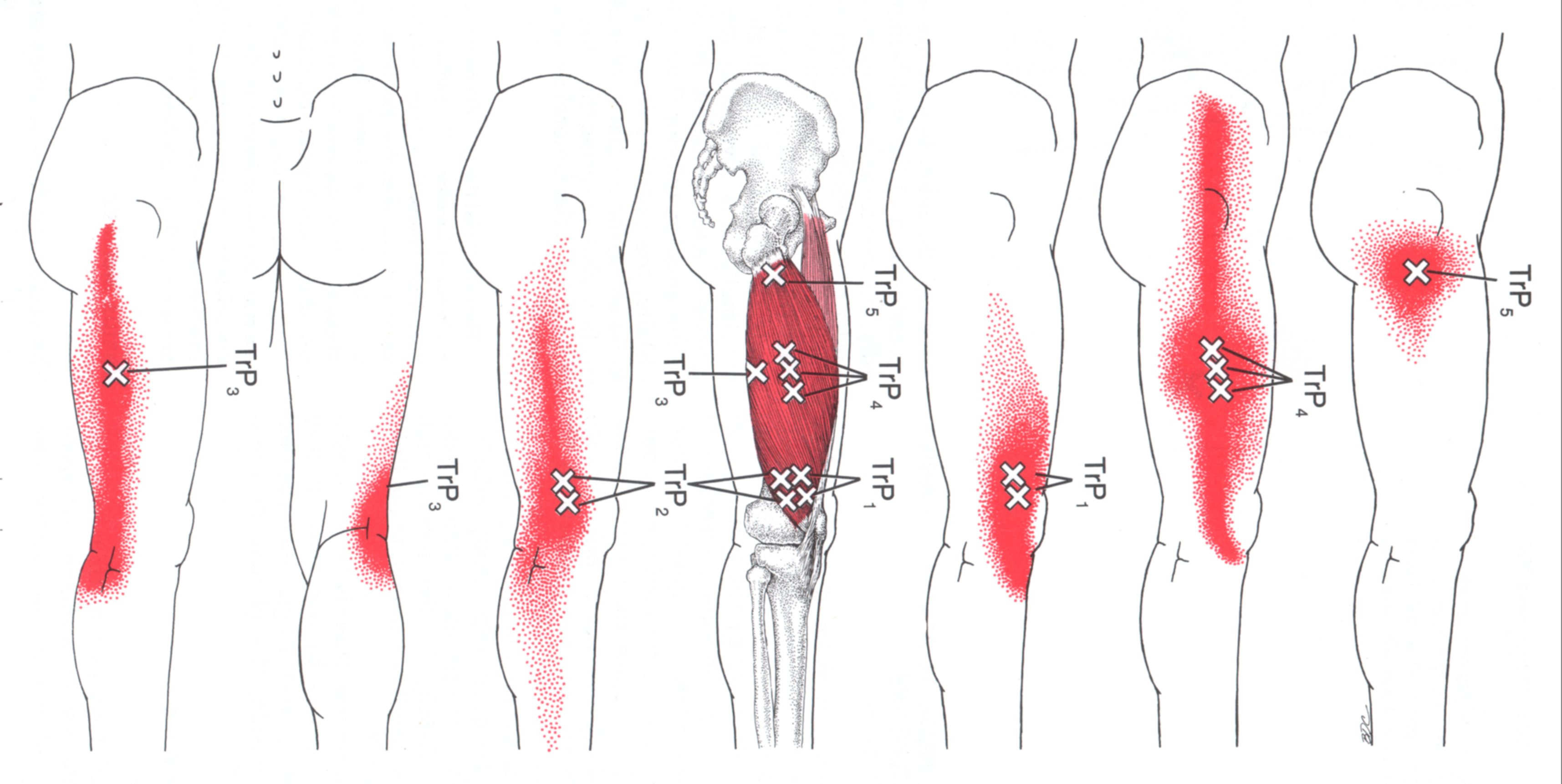
Vastus Lateralis The Trigger Point & Referred Pain Guide

Hip Trigger Points Chart

Quadratus Lumborum The Trigger Point & Referred Pain Guide Trigger
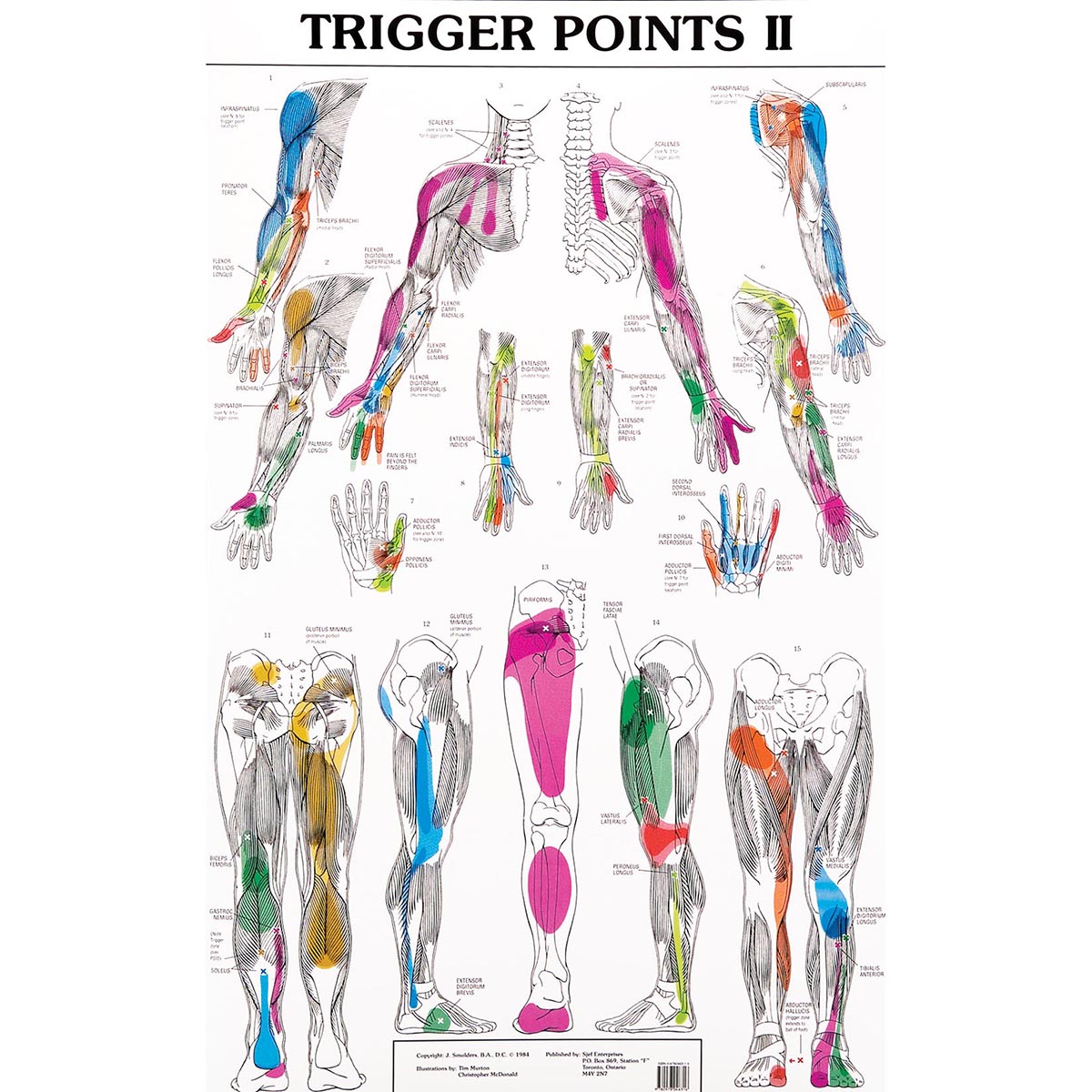
Set of Trigger Point Charts W99990 Acupuncture 3B Scientific
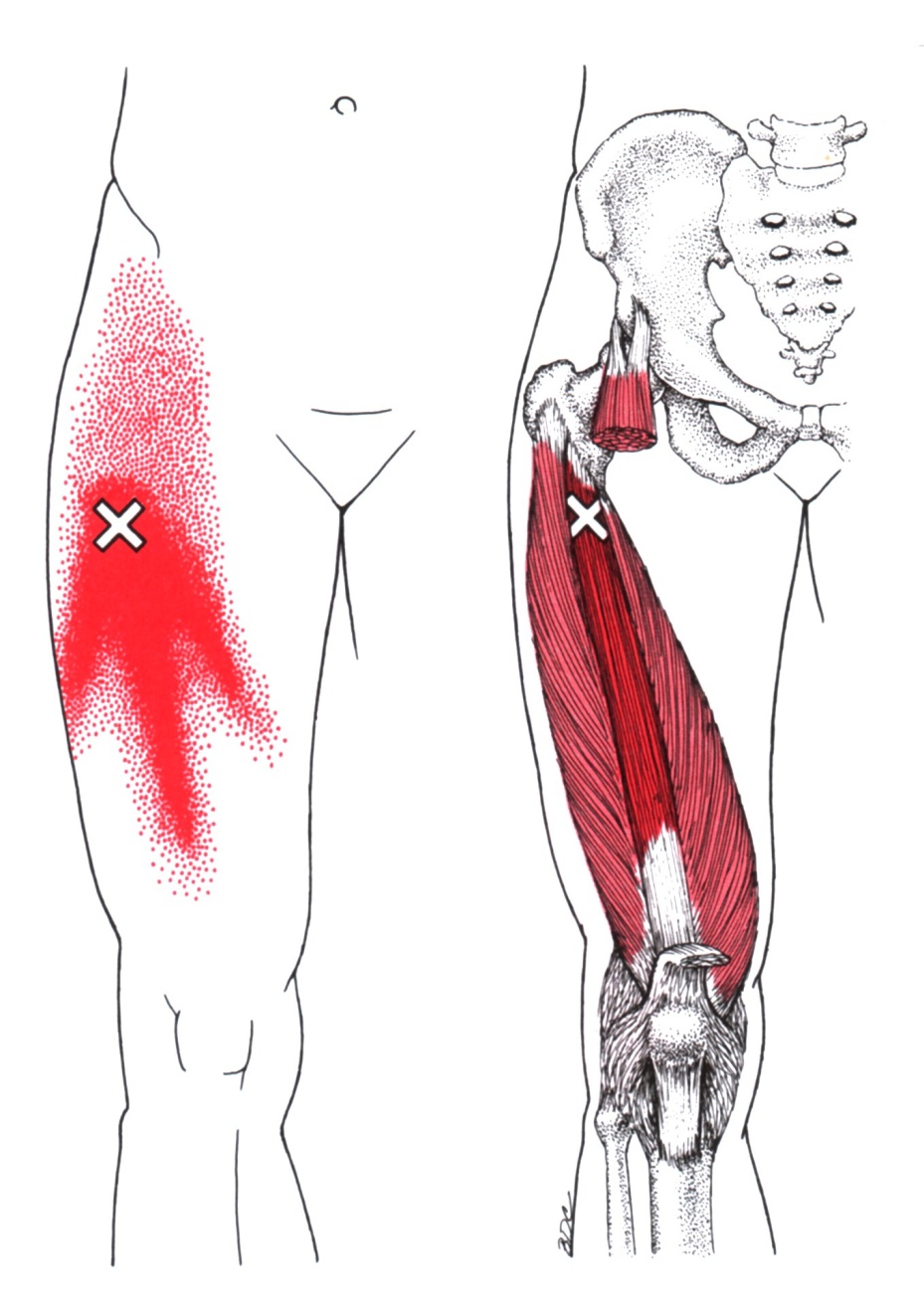
Vastus Intermedius The Trigger Point & Referred Pain Guide
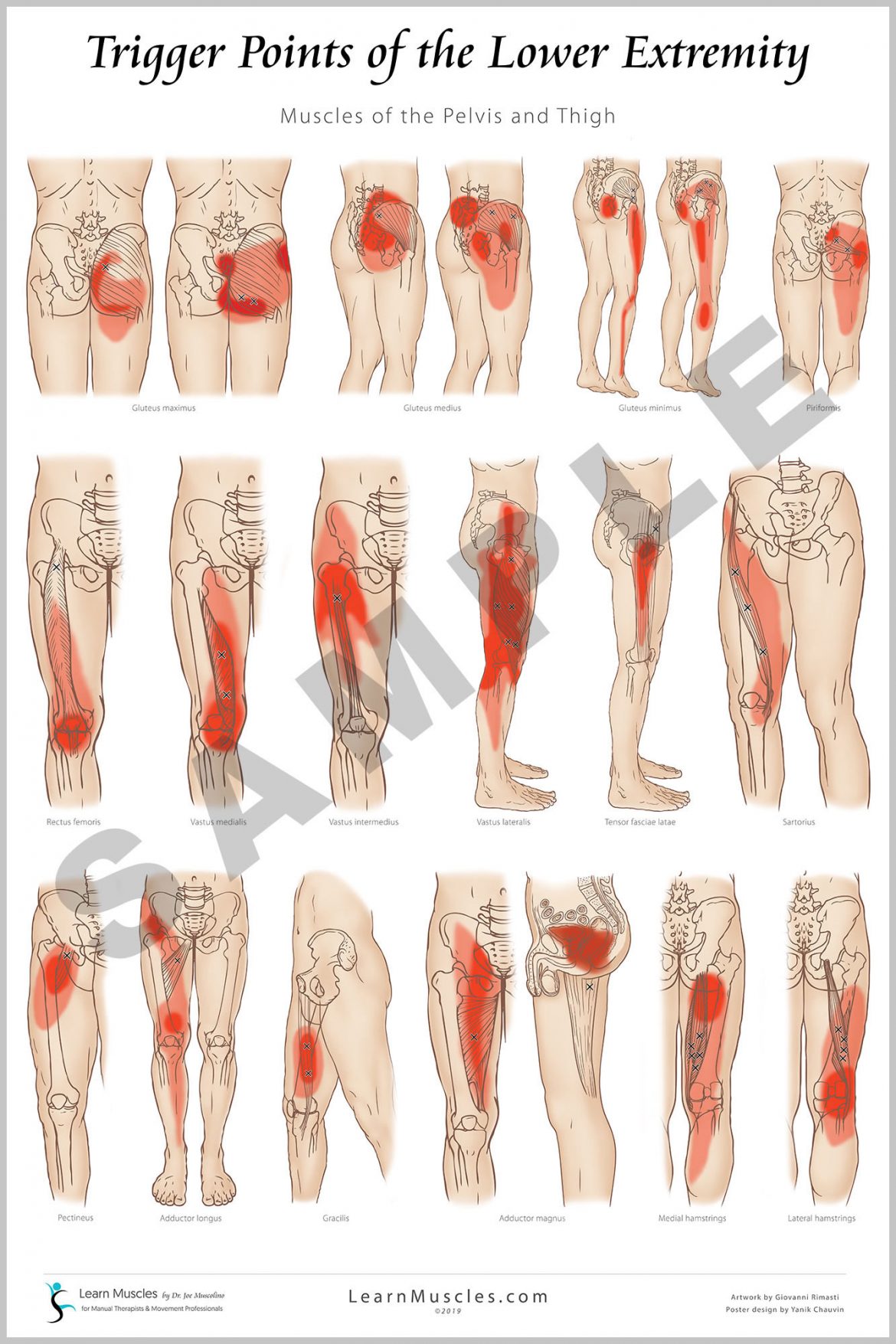
Trigger Point Lower Extremity 24" x 36" Premium Poster 2 Pack (PRE

Pin on Physical Therapy resources

Hip Trigger Point Chart

The Trigger Point & Referred Pain Guide 17
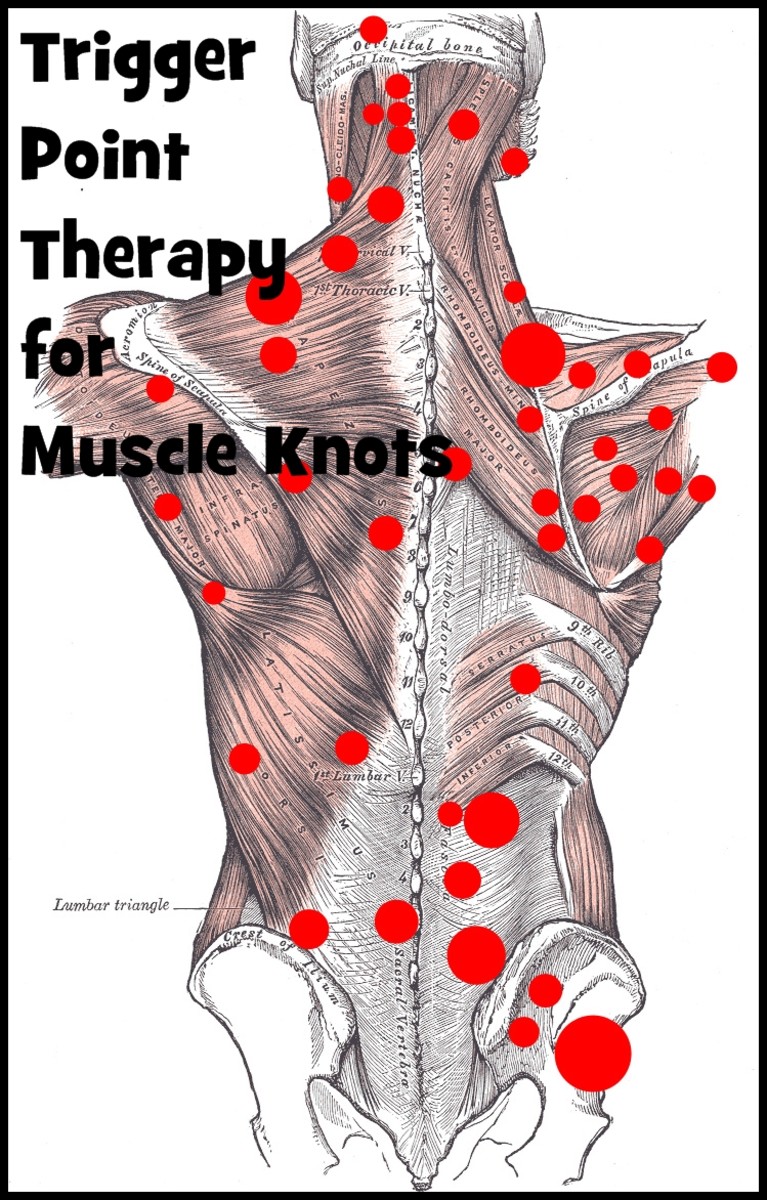
Hip Trigger Points Chart
Hip Trigger Point Symptoms Include Deep, Aching Pain, Tender Knots In Muscles, And Difficulty Sleeping.
Myofascial Pain Syndrome (Mps) Is A Chronic Pain Disorder Of Too Many Trigger Points.
Web In Summary, Hip Trigger Points Can Be Caused By A Variety Of Factors, Including Injury, Poor Posture, Lack Of Exercise, Stress, And Anxiety.
For Tough Cases, See The.
Related Post: