
Fishing Rod Power Chart
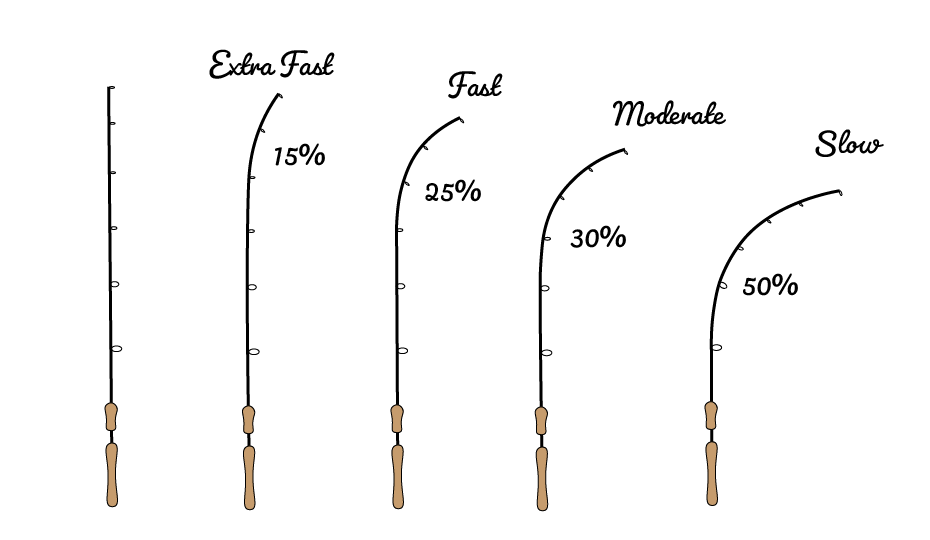
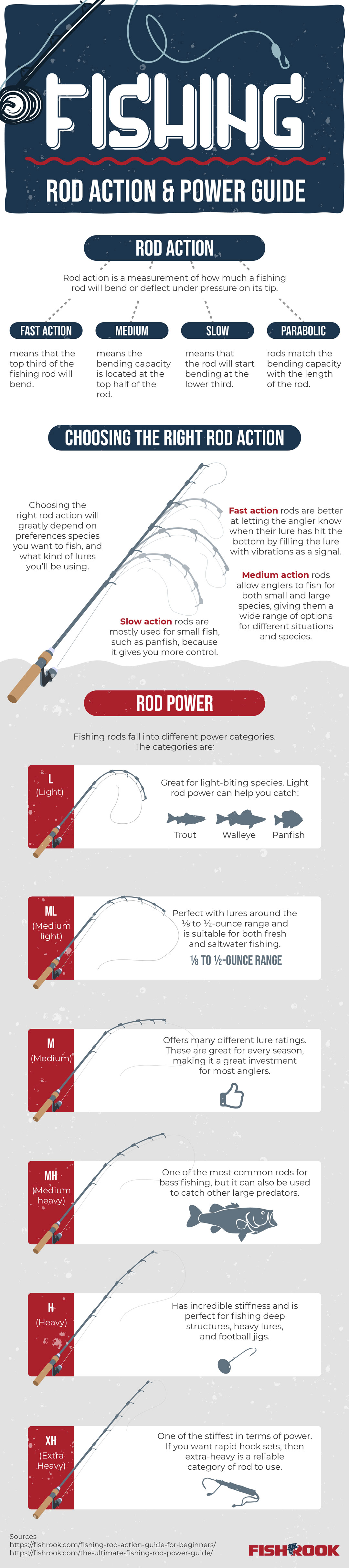
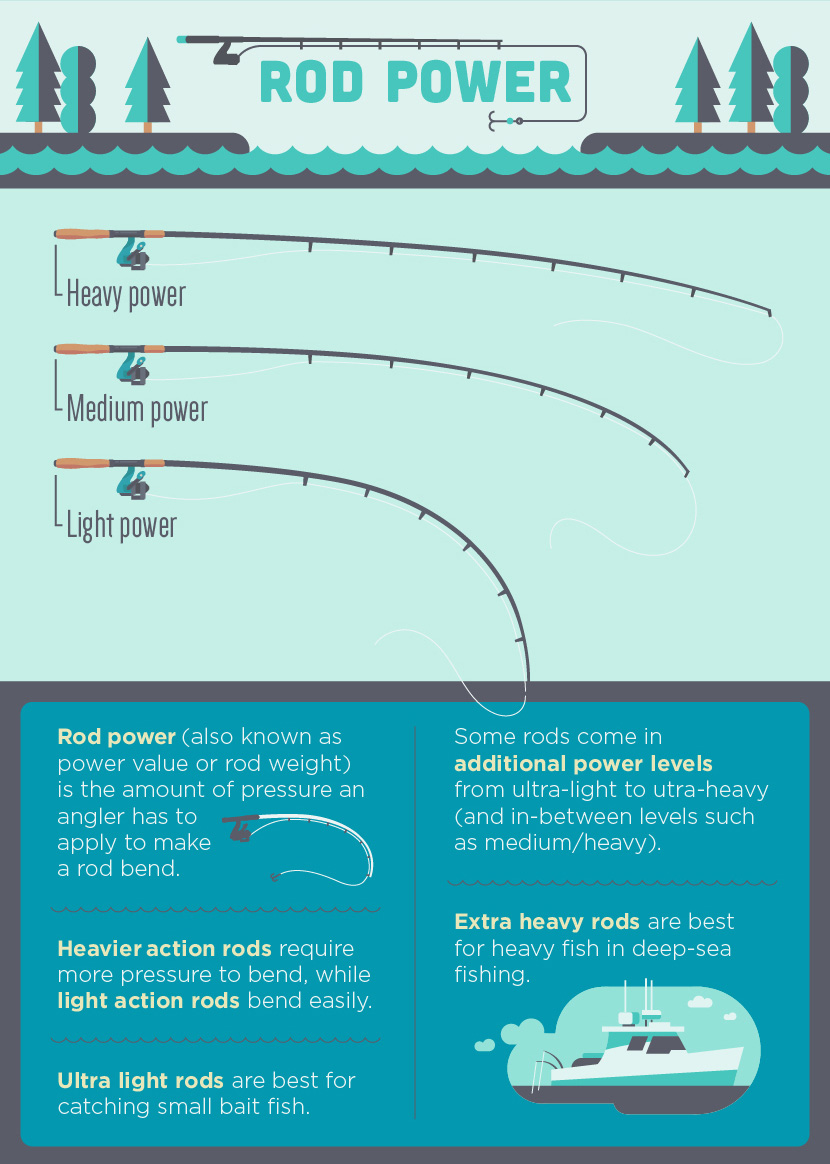
Fishing Rod Power Chart - Web table of contents. The different rod powers exist for helping anglers catch a specific fish specimen or type. Fast action rods typically bend about a quarter to a third of the way down the rod from the tip. Rod power is not the same as action, which refers to where a particular rod starts to bend. Web while there are extremes on each end of the spectrum, most modern fishing rods are somewhere between 5’6” and 9’ in length, and the vast majority are in a sweet spot between 6’6” and 7’6” long. Web we created this simple fishing rod action chart to explain the differences between fast, moderate and slow action rods. Web to help simplify the process, we developed a chart that classifies rods according to their power (aka weight) and action. Or simply put, it is the rod’s lifting power. Moderate action bend in the top half. Light power facilitates lighter tackle and smaller lures for panfish and trout. One might be rated for 25lb line and the other for 80lb line. Or simply put, it is the rod’s lifting power. You can think of it a lot like stiffness. Once you have determined the proper action, the next step is the rod’s power. Web table of contents. These two aspects play a significant part in grabbing the specific kind of fish. Web this article is your complete guide to understanding fishing rods from action, power, length, modulus, grips, guides and more. Web power ratings correspond to the rod’s line and lure ratings. Lighter power rods are used for light weight tackle and when targeting smaller sized fish. Web to help simplify the process, we developed a chart that classifies rods according to their power (aka weight) and action. Web this article is your complete guide to understanding fishing rods from action, power, length, modulus, grips, guides and more. We’ll also give you a chart of the different action categories, and what they are ideally used for. The type of water you're fishing will help determine the power of. We'll explain how the power and weight/action work together more. Web fishing rod power is essentially the amount of pressure or force needed to bend the rod at its action rating. Fishing rods with light power will be made of a thinner blank and will bend and flex more. A heavy bass rod and a heavy offshore rod will definitely not feel the same. Web fish rod action chart for. We’ll also give you a chart of the different action categories, and what they are ideally used for. Web fish rod action chart for extra fast, fast, moderate fast, moderate and slow designations. The “power” of a rod is basically a measure of how much it will bend when subjected to a given force. Web conventional rod power is categorized. Heavy power manages larger lures and rigs. This will allow the angler to target slightly larger species with heavier weights and bigger lures such as small brown trout and larger perch. Action is an indication of where the rod flexes when pressure is applied. Its use case is also a lot simpler than action, where you expect to catch larger. Web fishing rod power refers to the rod’s resistance to bending or lifting strength. This will allow the angler to target slightly larger species with heavier weights and bigger lures such as small brown trout and larger perch. In this article we’ll explain exactly what rod action is, and how it differs from rod power (also called rod weight). Web. Note the power on the left and the action along the bottom. Web fish rod action chart for extra fast, fast, moderate fast, moderate and slow designations. Web while there are extremes on each end of the spectrum, most modern fishing rods are somewhere between 5’6” and 9’ in length, and the vast majority are in a sweet spot between. In this article we’ll explain exactly what rod action is, and how it differs from rod power (also called rod weight). Web rod action directs to the bend of the fishing rod when pressure is used. You can think of it a lot like stiffness. The power of the rod describes how much pressure it takes to bend or flex. Web rod action directs to the bend of the fishing rod when pressure is used. Slow action rods bend in the lower third of the rod—and in some models all the way to the handle. Available in stockprice comparewe do the testing for youtop brands Power is the resistance of a rod to deflection under a certain amount of load.. These two aspects play a significant part in grabbing the specific kind of fish. Fishing rods with light power will be made of a thinner blank and will bend and flex more. The type of water you're fishing will help determine the power of. Available in stockprice comparewe do the testing for youtop brands The different rod powers exist for. Web table of contents. Web fishing rod power. Web fishing rod power vs action [+chart] understanding the difference between fishing rod action and power is crucial , but how do these elements influence your experience with different types of rods? If action describes where the rod bends, power describes how much it bends or flexes. What is fishing rod action? Web the information you’ll learn this this fishing rod power guide will help you understand how fishing rods are built and will help you choose the right power and action that best matche your fishing applications. The “power” of a rod is basically a measure of how much it will bend when subjected to a given force. Lighter power rods are used for light weight tackle and when targeting smaller sized fish. Web the power ratings, as seen in the chart below, vary between light (or ultra light), medium and heavy. Web the fishing rod power refers to how much force a rod needs to bend. Web fishing rod power. Moderate action bend in the top half. Its use case is also a lot simpler than action, where you expect to catch larger fish, you need a more powerful rod to handle them. Web to help simplify the process, we developed a chart that classifies rods according to their power (aka weight) and action. Web conventional rod power is categorized as follows: In this article we’ll explain exactly what rod action is, and how it differs from rod power (also called rod weight). Fishing rod action and power chart. The type of water you're fishing will help determine the power of. Medium power handles common lures and rigs sized typically for bass and walleye. Fishing rods with light power will be made of a thinner blank and will bend and flex more. Web this article is your complete guide to understanding fishing rods from action, power, length, modulus, grips, guides and more.
Fishing Rod Action Chart Fast, Moderate & Slow Rods

Fishing Rod Action Chart Explained Action, Power, And Chart
![What Does Fishing Rod Action Mean? [Explained]](https://www.slo-fishing.si/images/Fishing-for-beginners/Fishing-Rod-Action-Chart.jpg)
What Does Fishing Rod Action Mean? [Explained]
Fishing Rod Action & Power Choose the Best Rod for You

Fishing Rod Power Chart
![What Does Fishing Rod Action Mean? [Explained]](https://www.slo-fishing.si/images/Fishing-for-beginners/Easy-Fishing-Rod-Power-Chart.jpg)
What Does Fishing Rod Action Mean? [Explained]

Fishing Rod Action Chart Explained Action, Power, And Chart
The Ultimate Fishing Rod Power Guide FishRook
How to Choose a Fishing Rod

Length, Power, and Action How to Select the Right Fishing Rod
Web Fishing Rod Power Vs Action [+Chart] Understanding The Difference Between Fishing Rod Action And Power Is Crucial , But How Do These Elements Influence Your Experience With Different Types Of Rods?
Available In Stockprice Comparewe Do The Testing For Youtop Brands
As You Gain Experienced You Will Also Gain A Better Understanding Of The Benefits Of Different Power And Action Combinations.
Web Power Ratings Vary By The Type Of Rod Described;
Related Post: