
Brake Pad Thickness Chart
Brake Pad Thickness Chart - As you dip below this range and use your brakes, a performance decline starts. This is an absolute minimum and indicates pad replacement is required immediately. When you reach 6mm, you aren't required to replace them immediately, but allowing your brake pads to reach the minimum thickness of 3mm is not recommended. Ideally, your brake pads should be thicker than 6.4 mm (¼ inches) for proper functioning. A new brake pad will be around 10mm thick. Web the industry standard often suggests a minimum thickness of 3 millimeters (0.118 inches) for brake pads, but it’s crucial to note that this measurement can vary based on the type of brake pads and the specific make and model of your vehicle. Web how thick should brake pads be? Web brake pads should be changed before they wear down to 1.5mm. Web the recommended thickness is about 6mm or more for all driving needs. Web what’s the recommended thickness of your brake pads? This is an absolute minimum and indicates pad replacement is required immediately. Ideally, your brake pads should be thicker than 6.4 mm (¼ inches) for proper functioning. Web how thick should brake pads be? Our article also covers the ideal brake pad thickness and the laws surrounding the pads. The ideal brake pad thickness is 6.4 mm. Web the industry standard often suggests a minimum thickness of 3 millimeters (0.118 inches) for brake pads, but it’s crucial to note that this measurement can vary based on the type of brake pads and the specific make and model of your vehicle. Web brake pads should be changed before they wear down to 1.5mm. Here's a guide which includes a chart. However, most car mechanics recommend replacing them when only 20 percent of the thickness remains. Most manufacturers and mechanics will also agree that you should probably replace your brake pads once they reach 75% worn, or 3mm thick. However, most car mechanics recommend replacing them when only 20 percent of the thickness remains. You should limit your driving and get your car to your favorite repair or brake shop as soon as possible. Web in this guide, we cover every brake pad measurement you need to know. Most manufacturers and mechanics will all agree that you should probably. Web a new brake pad will be around 12mm thick or 1/2 inch, and pads with sensors typically start to warn you when they get to 3mm or 1/8 inch, with a squeal or a warning light on the dash. When you reach 6mm, you aren't required to replace them immediately, but allowing your brake pads to reach the minimum. Web a new brake pad will be around 12mm thick or 1/2 inch, and pads with sensors typically start to warn you when they get to 3mm or 1/8 inch, with a squeal or a warning light on the dash. A new brake pad will be around 10mm thick. Most car mechanics also agree that the bare minimum brake pad. What is the minimum legal thickness of brake pads and what about the ideal thickness? Any thinner than this, and you’ll. Web the recommended thickness is about 6mm or more for all driving needs. Web the minimum pad thickness is approximately 2 to 3mm (about 1/8″). The ideal brake pad thickness is 6.4 mm. Web the recommended thickness is about 6mm or more for all driving needs. However, most car mechanics recommend replacing them when only 20 percent of the thickness remains. You should limit your driving and get your car to your favorite repair or brake shop as soon as possible. Web in this guide, we cover every brake pad measurement you need. Web what’s the recommended thickness of your brake pads? Most manufacturers and mechanics will also agree that you should probably replace your brake pads once they reach 75% worn, or 3mm thick. Web the recommended thickness is about 6mm or more for all driving needs. Here's a guide which includes a chart. When you reach 6mm, you aren't required to. What is the minimum legal thickness of brake pads and what about the ideal thickness? Web what’s the recommended thickness of your brake pads? If it’s thinner than this, consider getting a replacement soon. Web the minimum pad thickness is approximately 2 to 3mm (about 1/8″). A new brake pad will be around 10mm thick. Our article also covers the ideal brake pad thickness and the laws surrounding the pads. Web in this guide, we cover every brake pad measurement you need to know. As you dip below this range and use your brakes, a performance decline starts. Web a new brake pad will be around 12mm thick or 1/2 inch, and pads with sensors. Not only will we look at the thickness when the brake pads are new, but also cover what the minimum should be. Most car mechanics also agree that the bare minimum brake pad thickness is 3.2 mm (⅛ inches). Here's a guide which includes a chart. When you reach 6mm, you aren't required to replace them immediately, but allowing your. Web what’s the recommended thickness of your brake pads? Not only will we look at the thickness when the brake pads are new, but also cover what the minimum should be. Web by providing a clear reference for measuring the thickness of your brake pads, this chart enhances vehicle safety, extends the lifespan of your brake pads, and prevents potential. What is the minimum legal thickness of brake pads and what about the ideal thickness? When you reach 6mm, you aren't required to replace them immediately, but allowing your brake pads to reach the minimum thickness of 3mm is not recommended. You should limit your driving and get your car to your favorite repair or brake shop as soon as possible. In addition, thinner brake pads can cause the brake system to malfunction. Web in this guide, we cover every brake pad measurement you need to know. However, most car mechanics recommend replacing them when only 20 percent of the thickness remains. Web by providing a clear reference for measuring the thickness of your brake pads, this chart enhances vehicle safety, extends the lifespan of your brake pads, and prevents potential damage to the brake system. If it’s thinner than this, consider getting a replacement soon. Here's a guide which includes a chart. Web what’s the recommended thickness of your brake pads? Most car mechanics also agree that the bare minimum brake pad thickness is 3.2 mm (⅛ inches). Most manufacturers and mechanics will also agree that you should probably replace your brake pads once they reach 75% worn, or 3mm thick. Web the recommended thickness is about 6mm or more for all driving needs. Web brake pads should be changed before they wear down to 1.5mm. As you dip below this range and use your brakes, a performance decline starts. Ideally, your brake pads should be thicker than 6.4 mm (¼ inches) for proper functioning.
991.1 TTS PCCB pad thickness Rennlist Porsche Discussion Forums

Repair Guides Brake Specifications Chart Brake Specifications
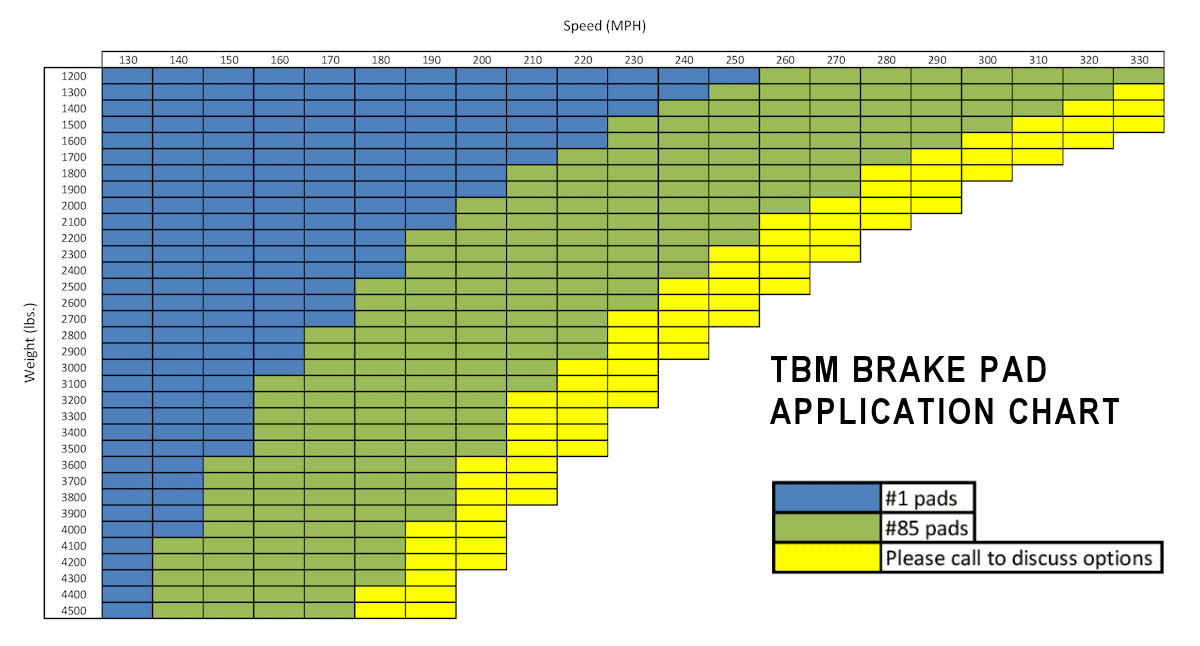
TBM Brake Pad Application Chart Vincent Performance

Minimum Brake Drum Thickness Chart
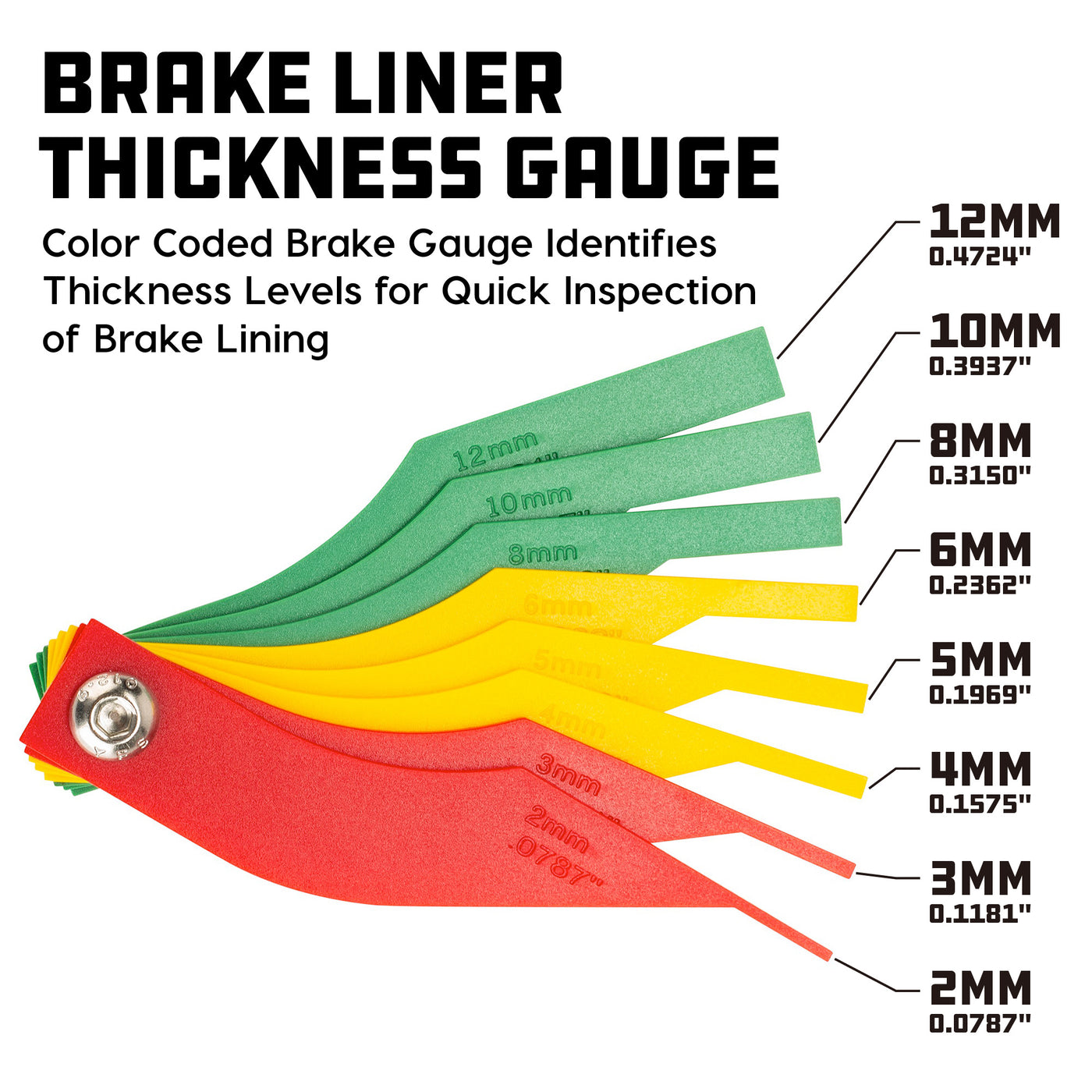
Brake Lining Thickness Gauge

Brake Shoe Thickness Chart A Comprehensive Guide For 2023 HN Notify

Thickness Loss for 3 Types of Brake Pads Download Table
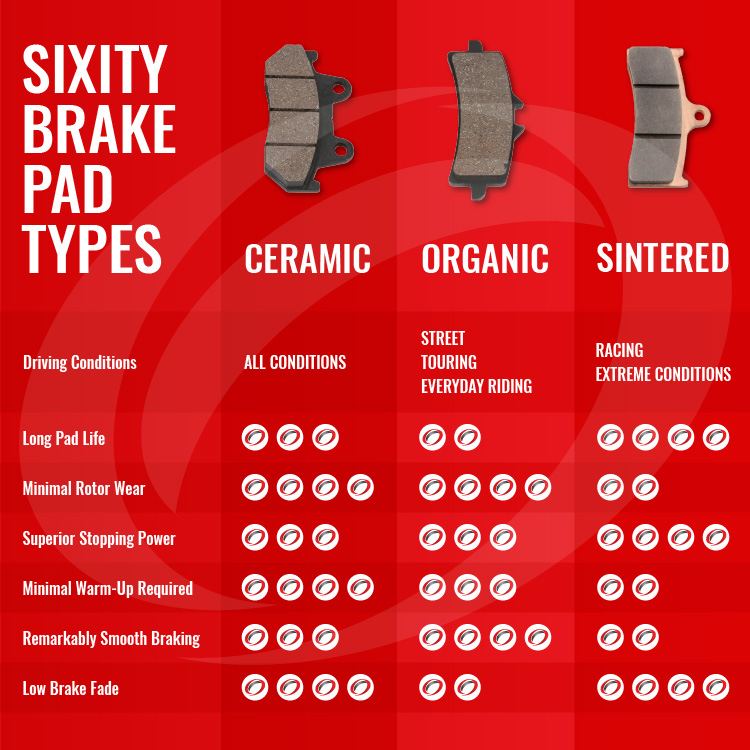
Sixity Brake Pad Selection Guide

Brake Shoe Thickness Chart

Brake Pad Thickness Minimum, New, and Ideal Thickness (Chart Included
Our Article Also Covers The Ideal Brake Pad Thickness And The Laws Surrounding The Pads.
Most Manufacturers And Mechanics Will All Agree That You Should Probably Replace Your Brake Pads Once They Wear Down To 3Mm.
Any Thinner Than This, And You’ll.
Web The Industry Standard Often Suggests A Minimum Thickness Of 3 Millimeters (0.118 Inches) For Brake Pads, But It’s Crucial To Note That This Measurement Can Vary Based On The Type Of Brake Pads And The Specific Make And Model Of Your Vehicle.
Related Post: