
Azithromycin For Dogs Dosage Chart
Azithromycin For Dogs Dosage Chart - Pediatric dosages are calculated based on the child's weight and are usually administered once daily for a specific number of days. This tailored approach maximizes effectiveness while minimizing potential side effects. Web while there is a substantial variation in dosages, the usual dosage in dogs is 2.5 to 5 mg per pound (5 to 10 mg/kg) orally once daily for up to 7 days. Web proper dosage for dogs. It is approved by the united states food and drug administration (fda) for the treatment of a variety of bacterial infections. Web azithromycin is a broad spectrum antibiotic that is used to treat bacterial infections in dogs, cats and some smaller mammals. Veterinarians carefully calculate the appropriate dosage to ensure optimal effectiveness while minimizing the risk of side effects. Web given once or twice a day. Your vet will calculate the precise dosage of zithromax® based on your dog’s size, age, and specific condition. The dosage prescribed for dogs depends on factors such as the dog's weight, the severity of the infection, and the specific condition being treated. Azithromycin is often compared to its cousin, erythromycin, and found to have a longer half life in dogs and cats as well as better absorption of oral dosages. When dosage and/or frequency is flexible your veterinarian will be able to tell you which end of the scale your dog should be at. Web dose of azithromycin in dogs and cats. Web for most infections, the standard adult dosage of azithromycin ranges from 500mg to 2000mg, taken once daily for 1 to 5 days. Pediatric dosages are calculated based on the child's weight and are usually administered once daily for a specific number of days. Web azithromycin is a broad spectrum antibiotic that is used to treat bacterial infections in dogs, cats and some smaller mammals. In cats, the usual dosage is 2.5 to 7.5 mg per pound (5 to 15 mg/kg) orally every 12 to 24 hours for up to 7 days. Web the most common side effect with gabapentin use in dogs is mild sedation. The severity of these side. It is often combined with other drugs to treat specific infections, such as atovaquone to treat babesiosis in dogs. It is often combined with other drugs to treat specific infections, such as atovaquone to treat babesiosis in dogs. The maximum dose should not exceed 500 mg in a single day, even on a larger dog. Web prescribe the right dosage: 8 mg/kg, sc, q 14 d, repeated as needed if response to therapy is not complete (maximum treatment should. Web azithromycin in exotic species in rats (rattus norvegicus), like dogs, a single oral dose of 10 to 40 mg/kg provided tissue levels that were 4proportional to the dose. Web prescribe the right dosage: When dosage and/or frequency is flexible your veterinarian will be able to tell you which end of the scale your dog should be at. 8 mg/kg,. Web while there is a substantial variation in dosages, the usual dosage in dogs is 2.5 to 5 mg per pound (5 to 10 mg/kg) orally once daily for up to 7 days. In cats, the usual dosage is 2.5 to 7.5 mg per pound (5 to 15 mg/kg) orally every 12 to 24 hours for up to 7 days.. Some dogs may experience a wobbly gait, increased sleepiness, and even mild disorientation. 8 mg/kg, sc, q 14 d, repeated as needed if response to therapy is not complete (maximum treatment should not exceed 2 injections) a. It is approved by the united states food and drug administration (fda) for the treatment of a variety of bacterial infections. Web for. To stimulate intestinal motility (prokinetic agent), the dose used is 0.25 to 0.5 milligram per pound (0.5 to 1 milligram/kilogram) orally every 8 hours. Web azithromycin in exotic species in rats (rattus norvegicus), like dogs, a single oral dose of 10 to 40 mg/kg provided tissue levels that were 4proportional to the dose. Do not give more or less than. Do not give more or less than is prescribed by your veterinarian and finish the treatment course even if it seems like your pet has recovered from the infection. Pediatric dosages are calculated based on the child's weight and are usually administered once daily for a specific number of days. 8 mg/kg, sc, q 14 d, repeated as needed if. Web azithromycin dosage for dogs. Pediatric dosages are calculated based on the child's weight and are usually administered once daily for a specific number of days. 10 mg/kg once daily for 3 days, repeating weekly until infection has resolved. It is often combined with other drugs to treat specific infections, such as atovaquone to treat babesiosis in dogs. Web proper. Veterinarians carefully calculate the appropriate dosage to ensure optimal effectiveness while minimizing the risk of side effects. Web azithromycin is a broad spectrum antibiotic that is used to treat bacterial infections in dogs, cats and some smaller mammals. The antibiotic works by interfering with the protein synthesis of bacteria on its. To stimulate intestinal motility (prokinetic agent), the dose used. Web azithromycin dosage for dogs. Pediatric dosages are calculated based on the child's weight and are usually administered once daily for a specific number of days. Web while there is a substantial variation in dosages, the usual dosage in dogs is 2.5 to 5 mg per pound (5 to 10 mg/kg) orally once daily for up to 7 days. Your. Only one dog, weighting 60 kg, received the azithromycin (5 mg/kg) every 12 hours. The severity of these side. 8 mg/kg, sc, q 14 d, repeated as needed if response to therapy is not complete (maximum treatment should not exceed 2 injections) a. Web your veterinarian will prescribe a dosage based on your pet’s weight and type of infection. Web. 20 mg/kg, po, q 24 h for a minimum of 3 weeks. The severity of these side. Web veterinarians use azithromycin to treat a wide range of bacterial infections in dogs and cats including streptococci, staphylococci, bartonella henselae, some species of chlamydia, haemophilus spp, mycoplasma spp, borrelia burgdorferi, and others. Some dogs may experience a wobbly gait, increased sleepiness, and even mild disorientation. Web proper dosage for dogs. It is often combined with other drugs to treat specific infections, such as atovaquone to treat babesiosis in dogs. Pediatric dosages are calculated based on the child's weight and are usually administered once daily for a specific number of days. Web in both dogs and cats, the usual dose is 5 to 10 milligram per pound (10 to 20 milligram/kilogram) every eight to 12 hours orally. Web dose of azithromycin in dogs and cats. Web the dogs were treated orally with azithromycin (10 mg/kg) every 24 hours, for five to ten days, according to the deepness of the lesion. 8 mg/kg, sc, q 14 d, repeated as needed if response to therapy is not complete (maximum treatment should not exceed 2 injections) a. Antibiotic dosage for dogs by weight. The antibiotic works by interfering with the protein synthesis of bacteria on its. Do not give more or less than is prescribed by your veterinarian and finish the treatment course even if it seems like your pet has recovered from the infection. Veterinarians carefully calculate the appropriate dosage to ensure optimal effectiveness while minimizing the risk of side effects. Web your veterinarian will prescribe a dosage based on your pet’s weight and type of infection.
(PDF) Medical Management of CyclosporineInduced Gingival Overgrowth
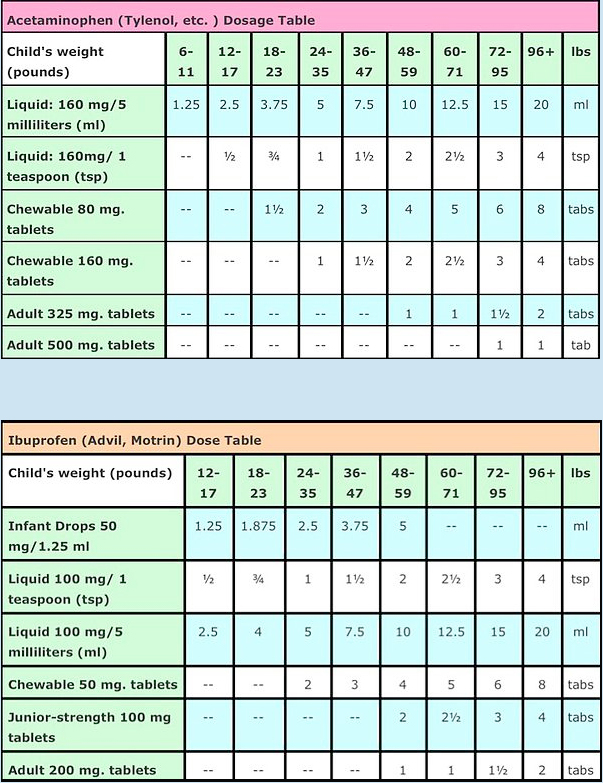
Medication Dosage Chart For Dogs
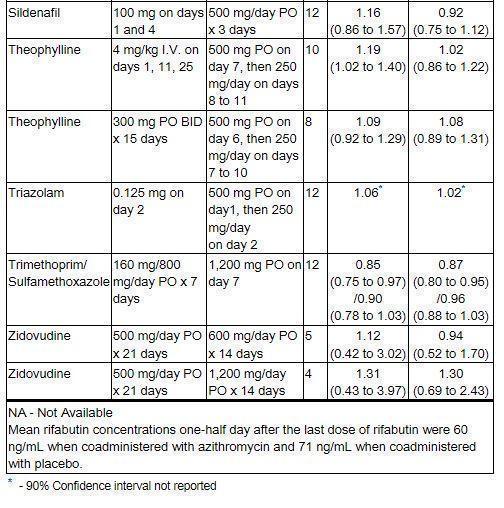
AZITHROMYCIN
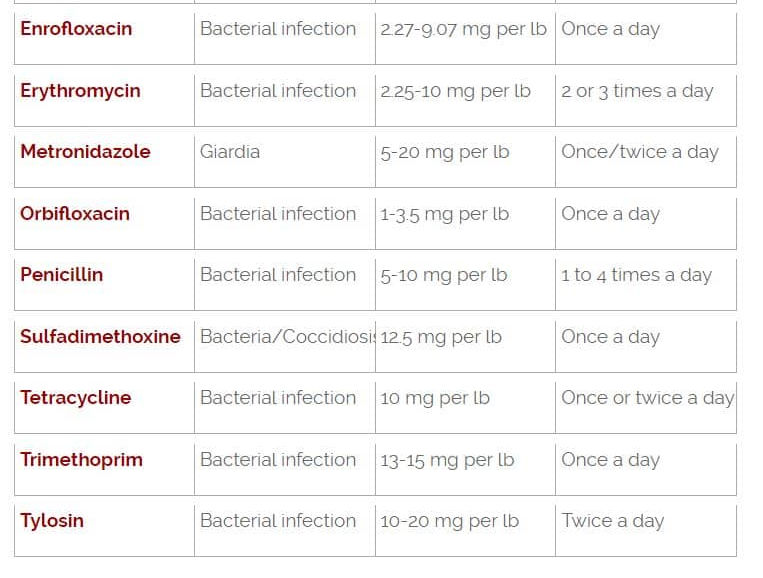
Dog Medications Dosage Charts

Azithromycin Tablets for Dogs & Cats, 500mg, 9 tablets On Sale
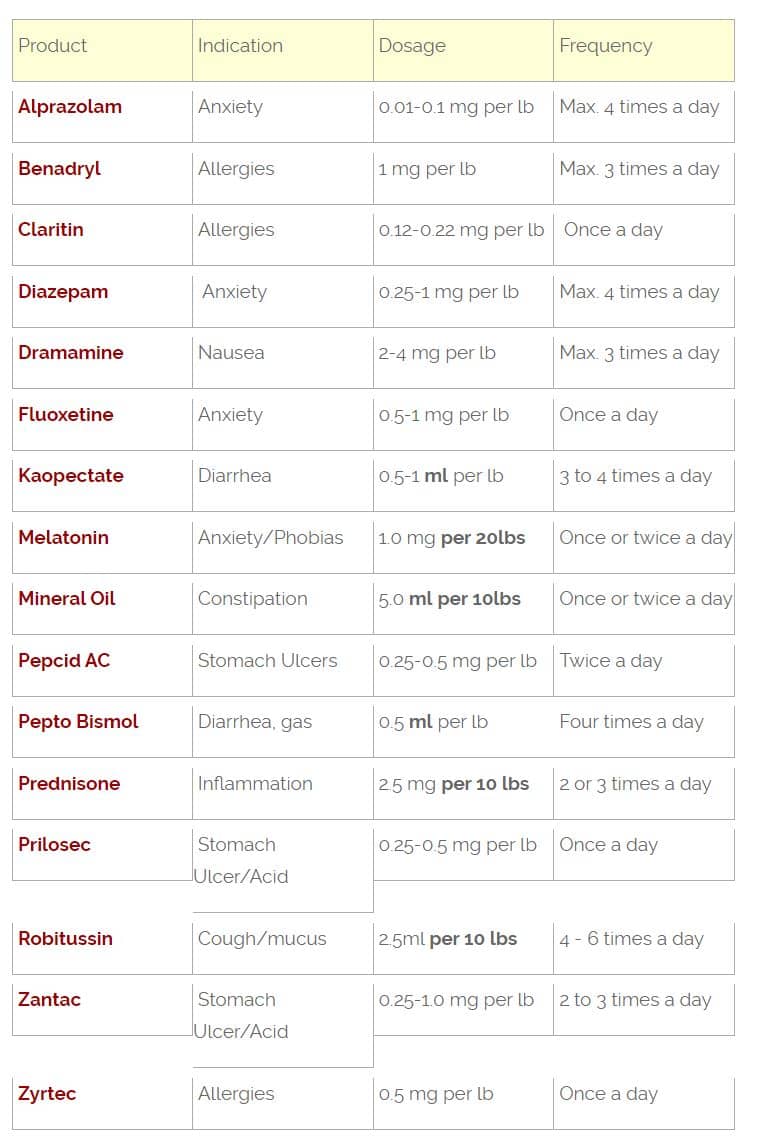
Dog Medications Dosage Charts
![Azithromycin for Dogs & Cats 250mg (1 tablet) [Antibiotic] On](https://s.turbifycdn.com/aah/yhst-135855760451349/azithromycin-tabs-250mg-per-tabs-by-generic-brand-may-vary-37.jpg)
Azithromycin for Dogs & Cats 250mg (1 tablet) [Antibiotic] On

Azithromycin Dosage Chart For Dogs

DOG AZITHROMYCIN (IV) Antimicrobials
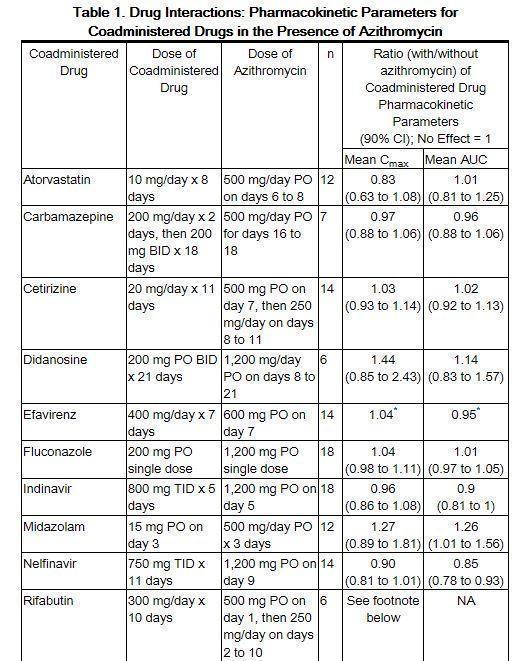
Azithromycin Dosage Chart For Dogs
Azithromycin Is Often Compared To Its Cousin, Erythromycin, And Found To Have A Longer Half Life In Dogs And Cats As Well As Better Absorption Of Oral Dosages.
For Infections Due To Susceptible Bacteria:
The Maximum Dose Should Not Exceed 500 Mg In A Single Day, Even On A Larger Dog.
This Tailored Approach Maximizes Effectiveness While Minimizing Potential Side Effects.
Related Post: