
Animal Categories Chart
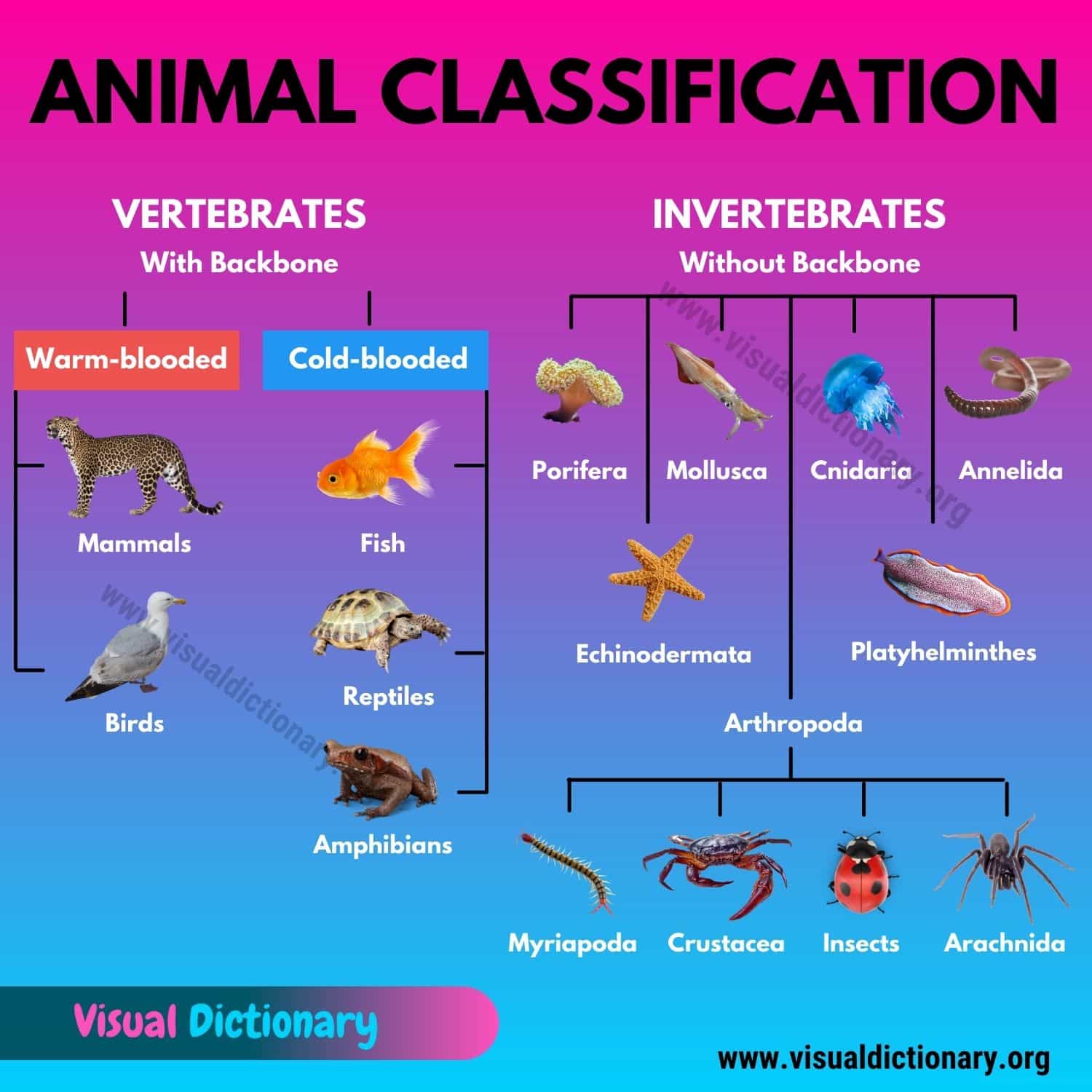
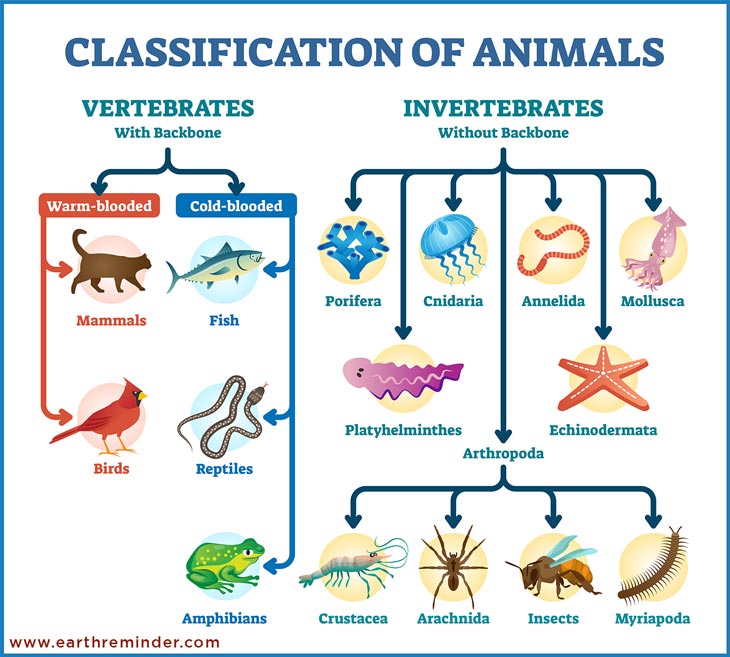
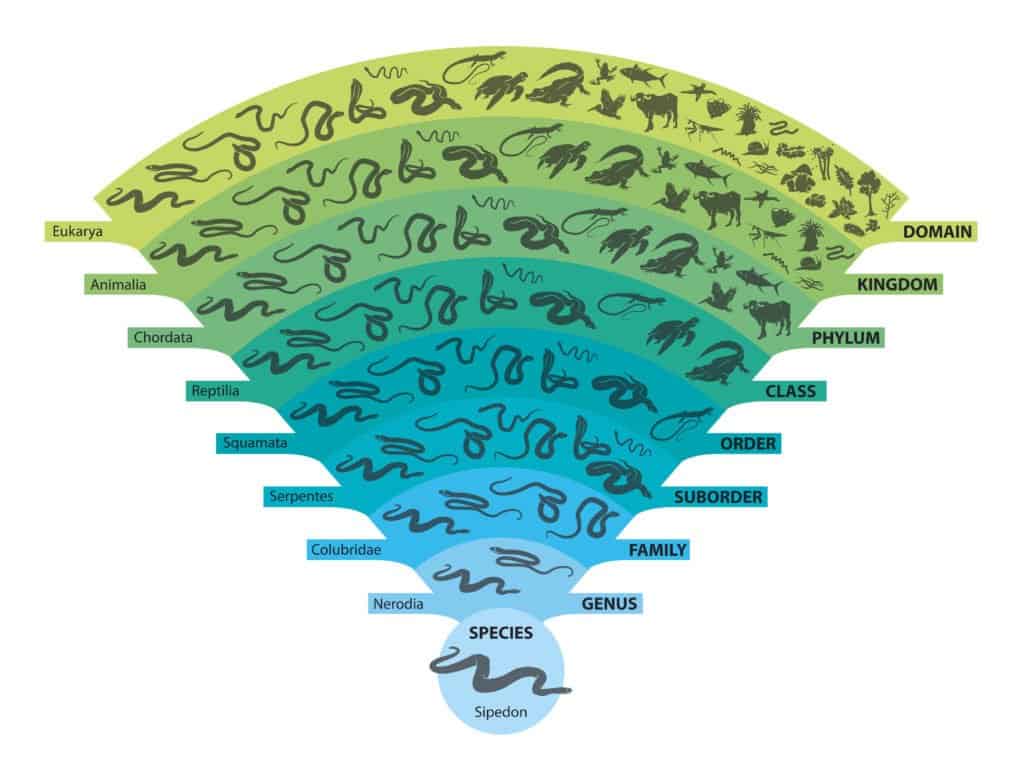
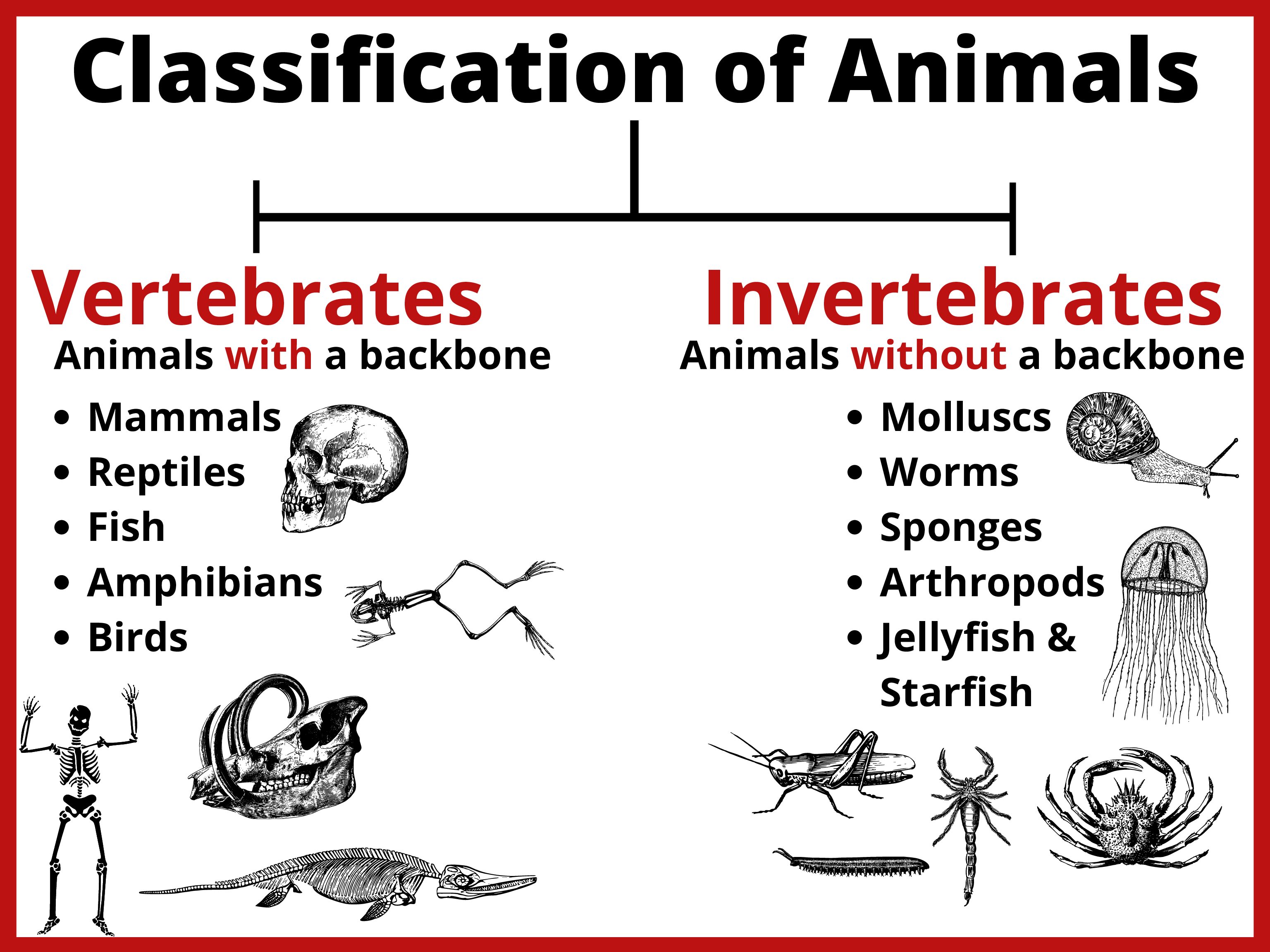
Animal Categories Chart - Web includes a printable animal classification pyramid chart of kingdom, phylum, class, order, family, genus, and species, plus animal classification vocabulary cards and an animal classifying worksheet. Each animal will have a link to the order page in which that animal is categorized. Animal classification is the process of categorizing animals into groups based on their shared characteristics. All these animals belong to the phylum chordata. Notice that the classification categories (phyla, class, order, family) are not only typed in the same font, but also line up. Animals in each of these categories share special characteristics, such as the number of feet they have,. Web all species of animals are classed into two groups: However, different sources give different numbers of classes and phyla. A free printable worksheet is available for this page. Web quick guide to classification of the animal kingdom. Classification is the process in which ideas and objects are recognized, differentiated, and understood, and classification charts are intended to help create and eventually visualize the outcome. Vertebrates are the ones with a backbone, and invertebrates are without a backbone. For instance, the family felidae groups all cat species. Our animal classification chart printable with fact cards and cheat sheets will help kids learn some basic animal classification terms as well as classification information for 50 animals. But animals also show a lot of diversity. And they have a more complex brain than other animals. For example, the order carnivora includes carnivorous animals like lions and bears. Web classification of animals. There are 107 classes of animals in 33 phyla in this list. Web each level of classification gets more specific, running down to the specific species that the animal is. Fish live underwater, and breathe through gills. But animals also show a lot of diversity. The five most well known classes of vertebrates are mammals, birds, fish, reptiles, and amphibians. This diagram is one of our most searched charts and infographics by people seeking to learn about new things and improve their general knowledge of how the world works. You. Kingdom, phylum, class, order, family, genus, species. Web there are so many different types of animals to learn about when teaching your kids about classifying animals. These categories are based on similarities or shared characteristics, such as diet (carnivore, herbivore etc.), habitat, anatomy, or behavior. Fish live underwater, and breathe through gills. The five most well known classes of vertebrates. You can use these as single pages, or you may want to cut and tape them into one very long chart to hang on a wall (so you can see the entire kingdom at once). The five most well known classes of vertebrates are mammals, birds, fish, reptiles, and amphibians. Vertebrata (animals with backbones) and invertebrates (animals without backbones). Web. Web quick guide to classification of the animal kingdom. Animals in each of these categories share special characteristics, such as the number of feet they have,. Web the primary method of classifying animals includes domain, kingdom, phylum, class, order, suborder, animal families, genus, and species. They usually have fins and elongated bodies covered in scales. Vertebrates are the ones with. Web scientific classification (or taxonomy) is the process of grouping animals into different categories. Discover the 8 levels of animal classification. Animal classification is the process of categorizing animals into groups based on their shared characteristics. Amphibians, birds, fish, mammals, reptiles, and insects. Notice that the classification categories (phyla, class, order, family) are not only typed in the same font,. These categories are based on similarities or shared characteristics, such as diet (carnivore, herbivore etc.), habitat, anatomy, or behavior. There are 107 classes of animals in 33 phyla in this list. However, different sources give different numbers of classes and phyla. Web every species is defined based on nine branching categories. But animals also show a lot of diversity. They usually have fins and elongated bodies covered in scales. And they have a more complex brain than other animals. Discover the 8 levels of animal classification. But animals also show a lot of diversity. Web each level of classification gets more specific, running down to the specific species that the animal is. Web scientific classification (or taxonomy) is the process of grouping animals into different categories. They usually have fins and elongated bodies covered in scales. Discover the 8 levels of animal classification. All these animals belong to the phylum chordata. Fish live underwater, and breathe through gills. The primary method of animal classification is: Classification is the process in which ideas and objects are recognized, differentiated, and understood, and classification charts are intended to help create and eventually visualize the outcome. Web this classification system allows scientists to study plant and animal diversity and to group closely related species. Vertebrates are the ones with a backbone, and. And they have a more complex brain than other animals. A rank more specific than order. These categories are based on similarities or shared characteristics, such as diet (carnivore, herbivore etc.), habitat, anatomy, or behavior. How we make sense of the animal kingdom by naming and grouping species. Scientists use animal classification to help them study and understand the natural. This diagram is one of our most searched charts and infographics by people seeking to learn about new things and improve their general knowledge of how the world works. Our animal classification chart printable with fact cards and cheat sheets will help kids learn some basic animal classification terms as well as classification information for 50 animals. You can see below the animal’s classification chart or diagram to understand the subcategories of both major groups. Vertebrata (animals with backbones) and invertebrates (animals without backbones). Animals are broadly classified into two major groups, including vertebrates and invertebrates. The young are fed milk produced by the mother’s body; Web quick guide to classification of the animal kingdom. Amphibians, birds, fish, mammals, reptiles, and insects. For example, the order carnivora includes carnivorous animals like lions and bears. A free printable worksheet is available for this page. Web the classification in this article is based on morphological work carried out in the late 1980s and remains to be tested by rna sequence studies and other comparisons. How we make sense of the animal kingdom by naming and grouping species. Scientists use animal classification to help them study and understand the natural world. Animal classification is the process of categorizing animals into groups based on their shared characteristics. But animals also show a lot of diversity. These categories are based on similarities or shared characteristics, such as diet (carnivore, herbivore etc.), habitat, anatomy, or behavior.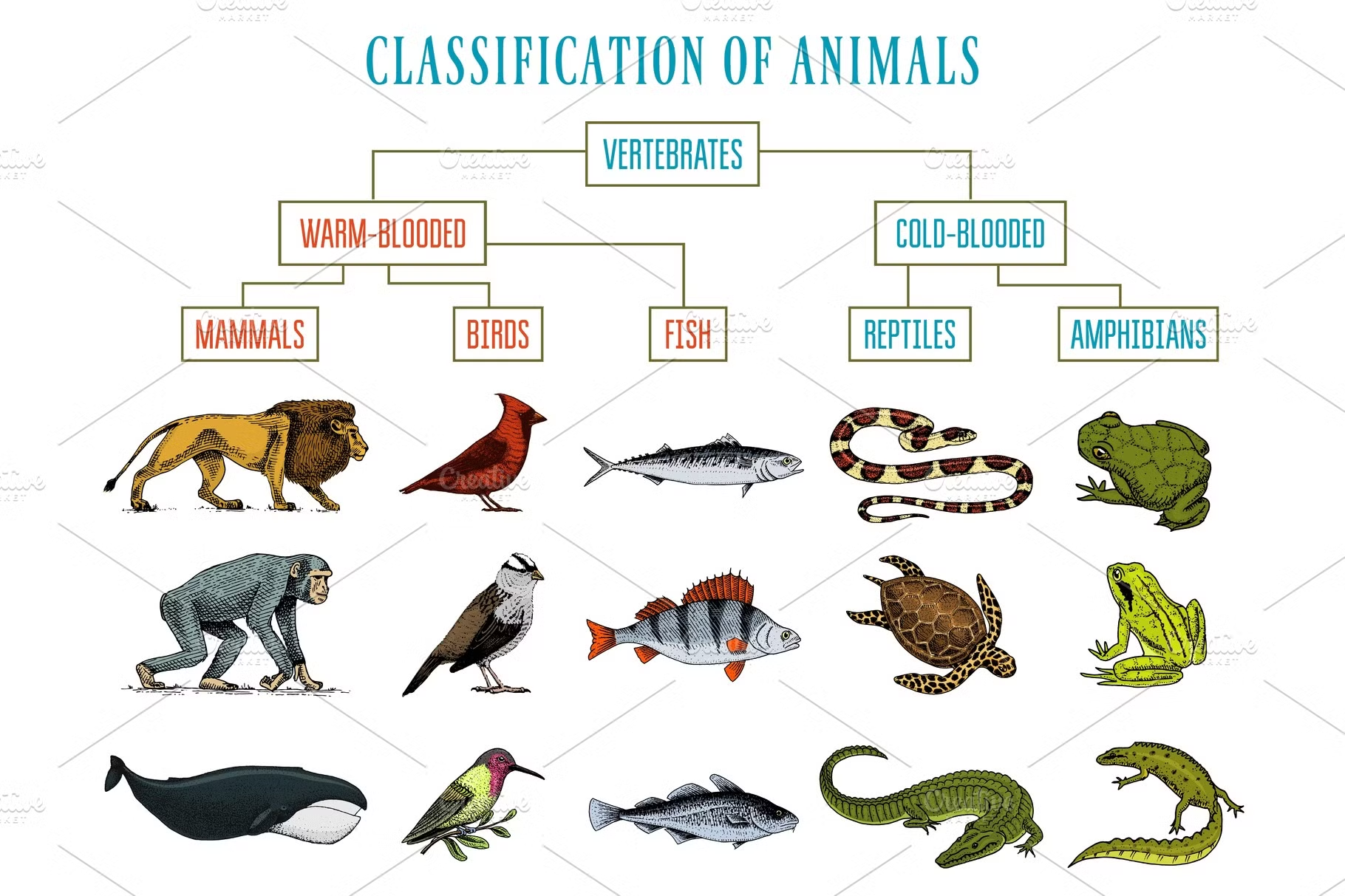
Classification of Animals. Reptiles amphibians mammals birds. Crocodile
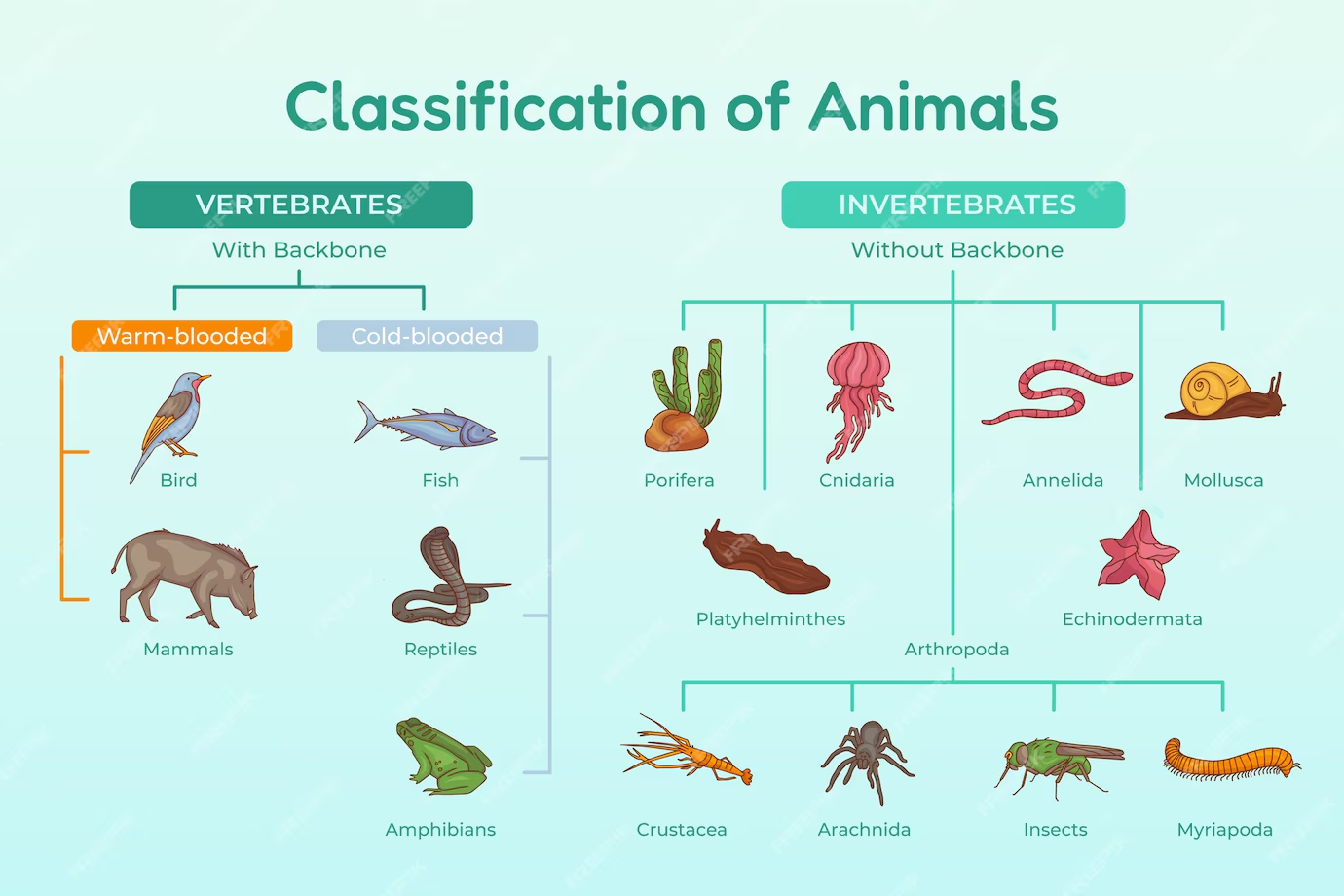
Free Vector Hand drawn classification of animals infographic

Facts about Animals It’s Types and Classification
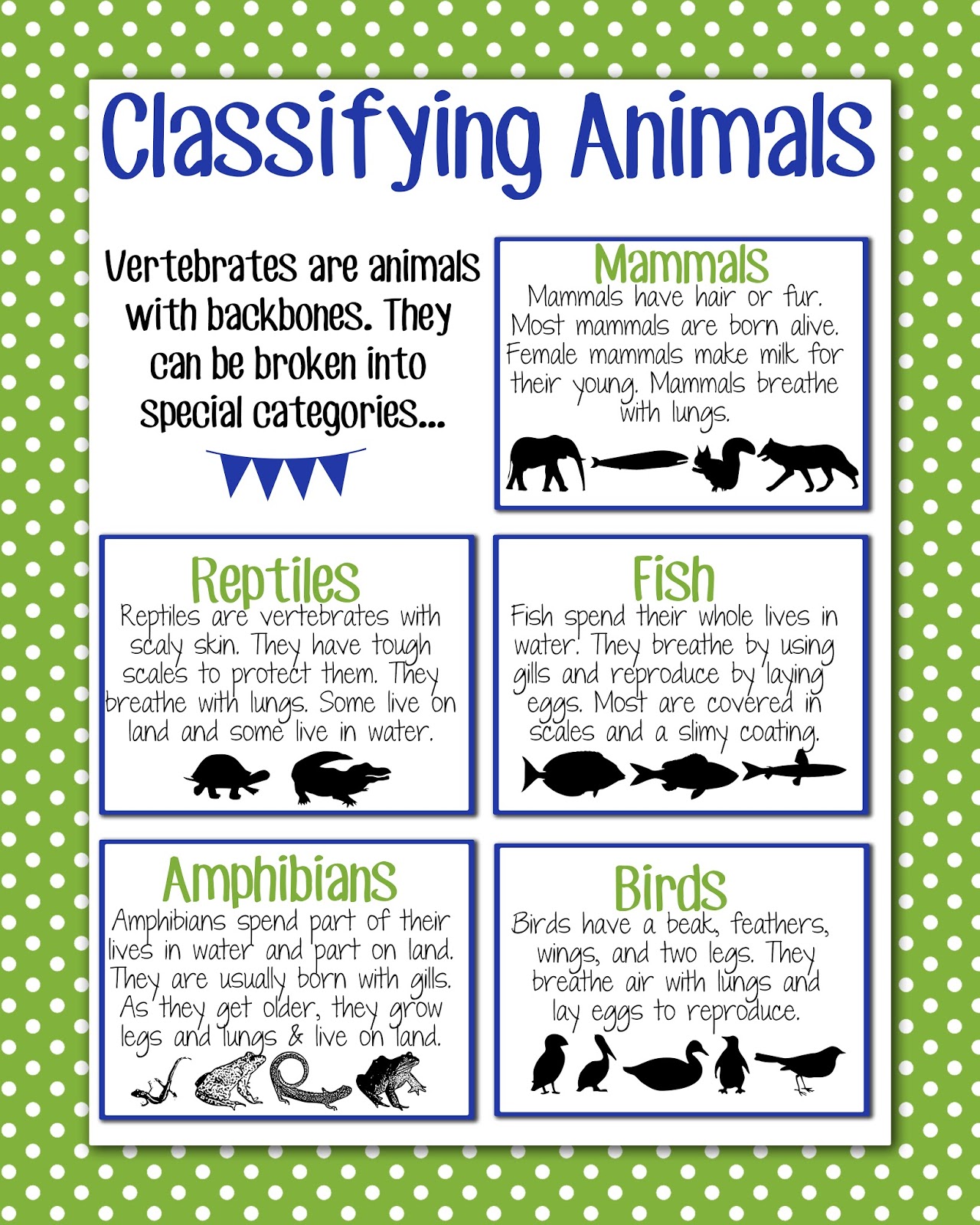
Magic & Markers Classifying Animals
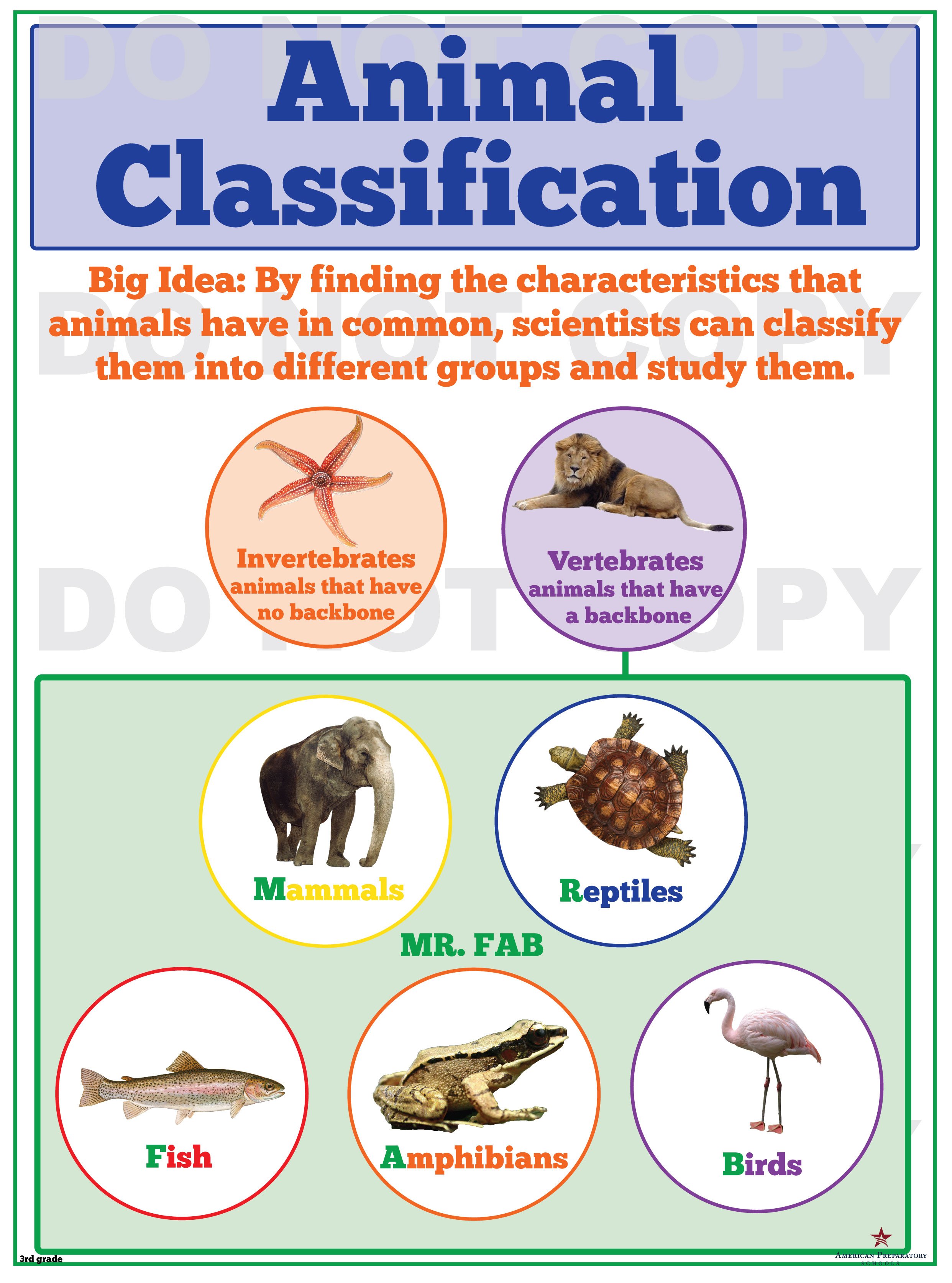
Free Printable Animal Classification Chart Image to u
Animals 1000+ Animal Names Great List of All Animals
What Are the Classification of Animals? Earth Reminder
Classification of Animals The Complete Guide AZ Animals
Free Printable Animal Classification Chart Image to u
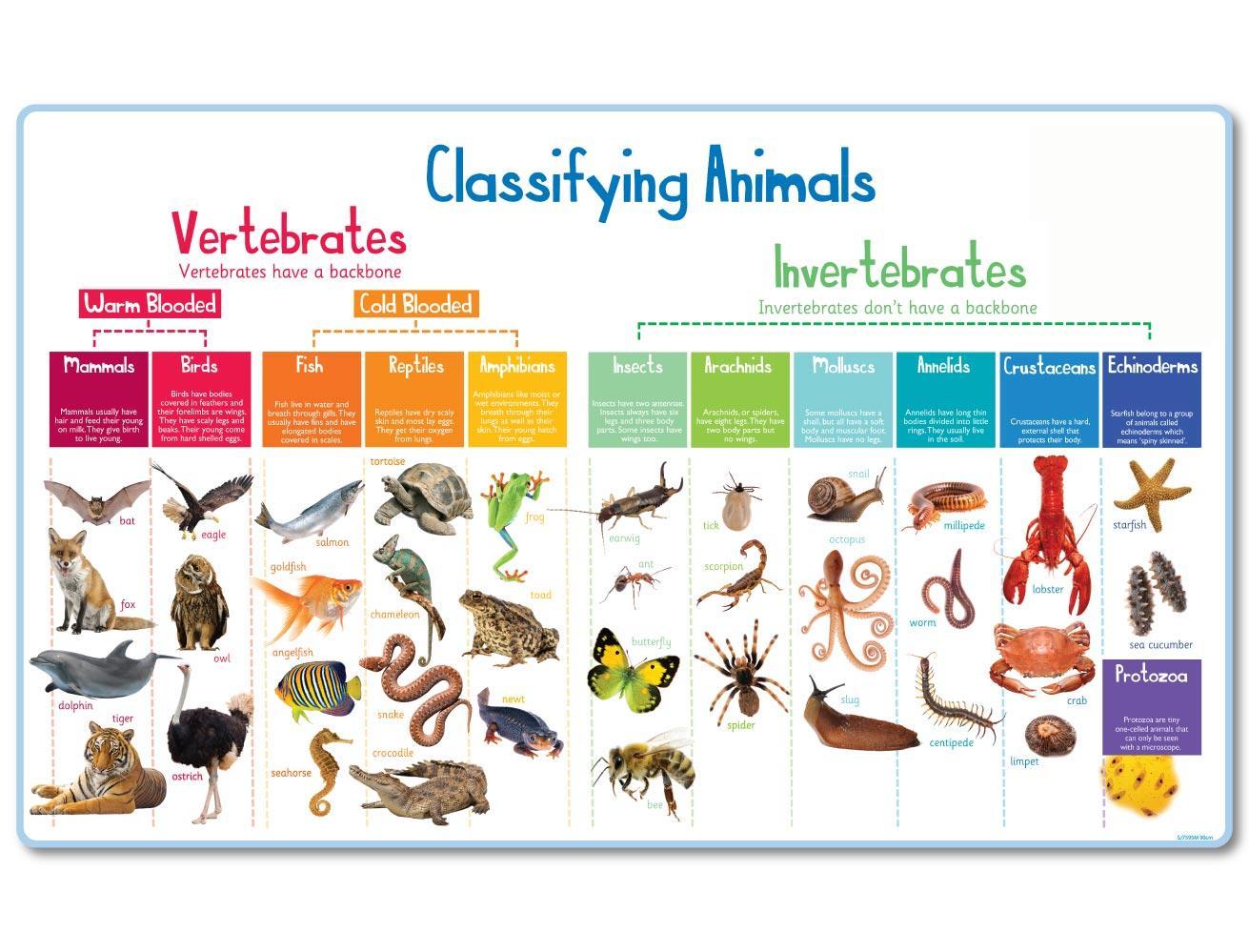
Animal Classification Mural
Web Scientific Classification (Or Taxonomy) Is The Process Of Grouping Animals Into Different Categories.
Web In This System, Scientists Group Animals Into The Following Categories:
All Animals Share Basic Traits.
Discover The 8 Levels Of Animal Classification.
Related Post: